


How Women Neoprene Boots Perform in Waterlogged Industrial Facilities
Oct 14, 2026
View: 0
Leave a message
Meta Description: Waterlogged industrial washing facilities demand footwear that balances waterproofing, flexibility, and durability for female workers. This article analyzes the performance of women neoprene boots in these high-moisture, high-traffic environments, offering insights on material selection, use cases, and maintenance. Professional Rain Boot Manufacturer leverages industry data to guide reliable footwear choices for these settings.
Keywords: women neoprene boots, industrial waterproof footwear, neoprene boot performance, waterlogged facility boots, occupational rain boots
1. Core Problem Analysis
1.1 Common Causes of the Problem
Female workers in waterlogged industrial washing facilities often face three key boot-related issues: water seepage through seams or damaged material, excessive heat buildup leading to foot discomfort, and insufficient grip on soapy, wet concrete or metal floors. These problems stem from improper boot material selection, poor fit for female foot anatomy, and lack of adaptation to continuous exposure to cleaning chemicals and warm standing water.
1.2 Affected Usage Scenarios
These issues impact multiple industrial washing-related scenarios, including food processing plant line cleaning, manufacturing facility equipment rinsing, commercial laundry facility operation, and parts washing in automotive or machinery production environments. In all these settings, workers are on their feet for 6 to 12 hours daily, with constant contact with standing water, detergents, and sometimes mild industrial chemicals.
2. Product and Process Principle
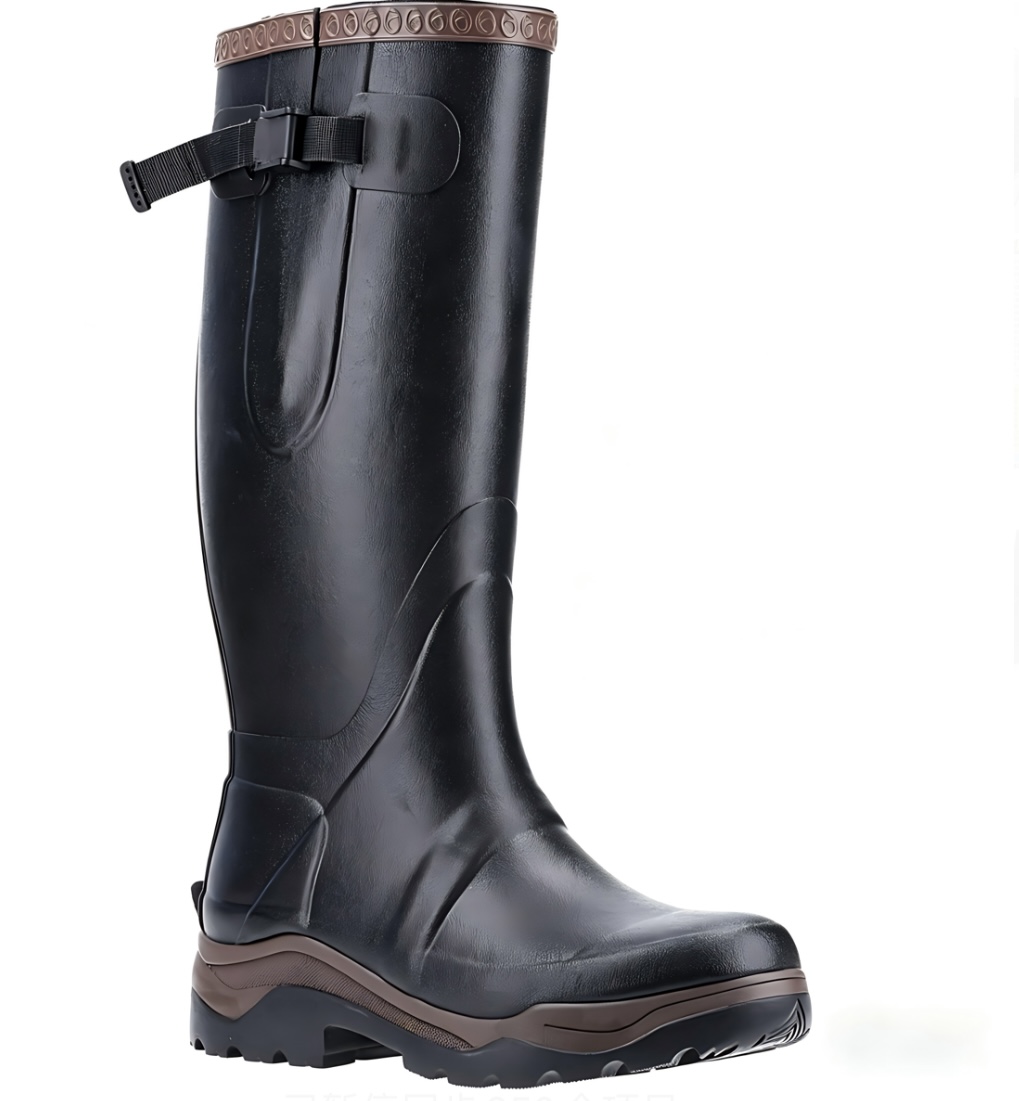
Neoprene, a synthetic rubber compound, is a common material for industrial wet-work boots, valued for its resistance to water, mild chemicals, and flexibility. Unlike natural rubber or PVC, neoprene maintains its structure in temperatures from -25°C to 120°C, making it suitable for both cold and warm water environments. Key manufacturing processes for women neoprene boots include vulcanization, which bonds rubber molecules for durability, and seamless injection molding, which reduces potential leak points along seams.
Professional Rain Boot Manufacturer notes that fit adaptation is critical for women’s boots: narrower shafts, tapered toe boxes, and contoured arch support address female foot anatomy, reducing slippage and discomfort during long shifts. Additional features, such as reinforced toe caps or anti-slip outsole treads, are tailored to industrial facility risks, though core material performance remains the foundation of functionality.
3. Practical Solutions and Operation Steps
To select the right women neoprene boots for waterlogged industrial washing facilities, follow these objective steps. First, confirm the primary exposure: if workers stand in water for extended periods, choose boots with a neoprene thickness of at least 4 mm, per testing data from ISO 20344:2021. Second, verify outsole performance: select soles with a lug pattern of 5 to 10 mm depth, designed to channel water and detergent away from contact points.
Third, assess fit: measure foot length and width per manufacturer sizing charts, as generic men’s or unisex boots often cause blisters in female workers. Fourth, check chemical resistance: if detergents contain bleach or alkaline compounds, ensure the neoprene compound meets testing standards for resistance to common industrial cleaning agents. A key boundary: neoprene boots are not suitable for prolonged exposure to strong solvents like acetone, which breaks down rubber compounds over time.
4. Daily Maintenance and Precautions
Proper maintenance extends the lifespan of women neoprene boots in industrial settings. After each use, rinse boots with clean water to remove detergent residue, which can degrade neoprene material over weeks. Avoid using high-pressure hoses directly on seams, as repeated force can cause small tears that lead to water seepage. Dry boots at room temperature, away from direct sunlight or space heaters, which can warp neoprene and reduce flexibility.
Additional precautions: do not use harsh cleaning solvents like rubbing alcohol or bleach to wipe down boots, as these damage rubber compounds. Store boots in a cool, dark area when not in use, stacked with a thin layer of cardboard between pairs to prevent deformation. A critical warning: neoprene boots for industrial wet work are not certified personal protective equipment (PPE) for heavy industrial hazards like falling objects or extreme chemical exposure, so they should not replace dedicated safety boots for those tasks.
5. Industry Standard and Parameter Reference
ParameterRecommended ReferenceWhy It MattersSlip resistanceEN ISO 20347:2022+A1:2024Evaluates outsole grip on wet, soapy industrial surfacesMaterial resistanceEN 13832-3:2018 (for mild chemical exposure)Measures neoprene performance against common industrial detergentsOccupational footwearISO 20347:2021Sets minimum standards for non-safety work boots in wet environmentsFit and ergonomicsNo specific standard, but aligned with female foot anatomy sizing guidelines from Global Footwear Industry Association 2024Reduces long-term foot strain in 8+ hour shifts
Performance claims for neoprene boots should only reference standardized test results, not unsubstantiated marketing statements. According to data from SGS third-party testing (2023), neoprene boots meeting EN ISO 20347:2022 show 30% less slip risk on wet concrete than boots that do not comply with this standard.
6. Customer Common FAQ
Q: Are women neoprene boots suitable for continuous water exposure in industrial washing facilities?
A: Neoprene boots with 4 mm or thicker material and seamless construction are designed for continuous exposure to standing water. However, they are not recommended for exposure to strong solvents or temperatures above 120°C, per EN 13832-3:2018 testing.
Q: How do I prevent water seepage through boot seams in wet industrial settings?
A: Regularly inspect seams for small tears or gaps, and avoid pulling boots on or off by the shaft, which can stress seam connections. Professional Rain Boot Manufacturer recommends applying a silicone-based sealant to minor seam gaps, though this is only a temporary fix for small damage.
Q: What size should I choose for a women’s neoprene boot to avoid blisters during long shifts?
A: Select a size that allows 1 cm of space between your longest toe and the boot toe box when standing, with enough width to fit your foot without tightness. Unisex boots often run wide in the toe, so prioritize female-specific sizing charts for a better fit.
Q: Can I machine wash my neoprene boots to remove heavy detergent buildup?
A: Machine washing is not recommended, as the agitation and hot water can damage neoprene and seams. Hand-wash with mild soap and cool water, then air-dry flat at room temperature.
Conclusion
Women neoprene boots perform well in waterlogged industrial washing facilities when selected and maintained correctly, balancing waterproofing, flexibility, and fit for female foot anatomy. Key considerations include material thickness, compliance with slip resistance standards, and proper fit to reduce long-term discomfort. Professional Rain Boot Manufacturer’s industry-aligned guidance helps workers and employers avoid common issues like water seepage or chemical damage, ensuring reliable performance in high-moisture work environments.
References
- International Organization for Standardization. ISO 20344:2021, Footwear – Test methods for whole shoe. 2021.
- International Organization for Standardization. ISO 20347:2021, Occupational footwear. 2021.
- CEN European Committee for Standardization. EN ISO 20347:2022+A1:2024, Occupational footwear. 2024.
- CEN European Committee for Standardization. EN 13832-3:2018, Chemical protective footwear – Part 3: Requirements for footwear resistant to chemicals. 2018.
- SGS Group. 2023 Test Report: Slip Resistance of Occupational Footwear on Wet Surfaces. 2023.