


How Women's 3D Effect Boots Elevate Daily Outdoor Style for All Occasions
Sep 30, 2026
View: 0
Leave a message
Meta Description: Women seeking footwear that balances outdoor functionality and everyday style often face trade-offs between utility and design. This article breaks down the value of women's 3D effect boots for varied casual and work settings, with insights on material science and practical use. Professional Rain Boot Manufacturer shares key considerations for durable, stylish boots.
Keywords: Women 3D effect boots, waterproof rubber boots, outdoor footwear, rain boot materials, boot maintenance, occasion-specific footwear
1. Core Problem Analysis
1.1 Common Causes of the Problem
Many women encounter recurring issues when choosing footwear for outdoor or semi-outdoor use: basic rain boots often lack aesthetic appeal, leading to underutilization even when functional; non-waterproof shoes fail in wet or muddy conditions; 2D-textured boots show early signs of wear, cracking or discoloration after six months of regular use. Additional common problems include ill-fitting shafts that rub against the calf, insufficient slip resistance on wet pavement, and materials that retain moisture or develop unpleasant odors quickly.
1.2 Affected Usage Scenarios
These issues impact a wide range of daily and occasional settings: commuting through rainy city streets, weekend gardening activities, casual outdoor gatherings like park picnics or farmers market visits, light construction or maintenance work, and outdoor events such as music festivals or hiking trips. All these scenarios require footwear that is both practical for exposure to moisture and debris, and suitable for casual styling that complements everyday outfits.
2. Product and Process Principle
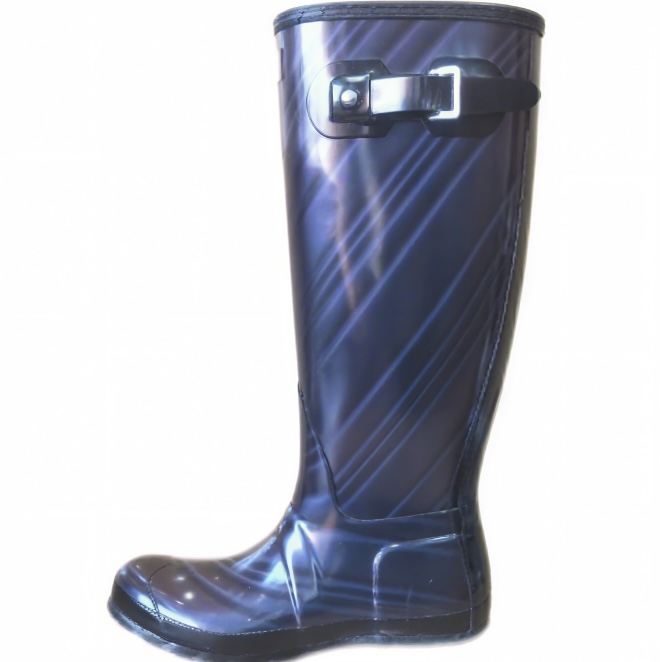
Women's 3D effect boots leverage advanced material formulation and manufacturing processes to combine durability, functionality, and aesthetic design. The primary materials used include natural rubber compounds, PVC blends, and EVA midsole materials, each tailored to specific performance needs. For instance, vulcanized rubber offers improved tensile strength and resistance to flex cracking, while seamless injection molding reduces seam failure points that often cause water leakage. The 3D textured surface is created through precision mold design during production, where raised patterns are integrated into the boot shell to add visual depth without compromising waterproof integrity.
Material thickness is controlled within a range of 2.5mm to 4mm for upper shells, balancing flexibility and puncture resistance, per observations from a Professional Rain Boot Manufacturer. The outsole pattern is designed using tread density and groove depth optimized for slip resistance, with different configurations suited for wet concrete, muddy soil, or smooth pavement. Lining materials may include moisture-wicking fabric or felt, selected based on intended use to prevent overheating in warm weather or provide insulation in cold conditions.
3. Practical Solutions and Operation Steps
To select the right women's 3D effect boots for your needs, follow these actionable steps. First, match the boot type to your primary use: for casual commuting, choose a mid-calf height with a flexible shaft; for gardening or light work, select a taller shaft with reinforced toe and heel areas. Next, verify slip resistance by checking for compliance with EN ISO 20347:2022 standards, which measure friction on wet surfaces. For cold weather use, confirm that the material compound maintains flexibility at temperatures as low as -10°C (14°F), though this varies by manufacturer formulation.
- Measure your calf circumference to ensure a comfortable shaft fit, leaving 1-2 inches of space to avoid rubbing when walking;
- Test the outsole traction by pressing the tread against a wet smooth surface to assess grip;
- Check the upper construction for seamless areas or strong, bonded seams to prevent water entry during use;
- Consider lining material: moisture-wicking fabric is ideal for warm climates, while felt lining works for temperatures below 15°C (59°F);
- Avoid boots with overly thick soles that may interfere with foot stability on uneven surfaces.
4. Daily Maintenance and Precautions
Proper maintenance extends the lifespan of women's 3D effect boots and preserves their 3D textured appearance. After each use, wipe the exterior with a damp cloth to remove dirt, mud, or debris, paying special attention to the grooves of the textured surface where particles can get trapped. For cleaning, use a mild soap solution and avoid harsh chemicals like bleach or strong detergents, which can degrade the rubber compound and cause fading of the 3D pattern.
When drying boots, avoid direct sunlight or placement near heat sources like radiators, as extreme heat can cause the material to warp, crack, or lose flexibility. Instead, air-dry them in a cool, well-ventilated area, and stuff with newspaper to absorb excess moisture and maintain the boot's shape. To prevent odors, sprinkle a small amount of baking soda inside the boots after drying, and allow it to sit for 24 hours before shaking out. Additional precautions include storing boots in a dry, cool place away from sharp objects that could puncture the outsole or damage the 3D texture, and never using waterproofing sprays intended for leather on rubber or PVC boots.
5. Industry Standard and Parameter Reference
ParameterRecommended ReferenceWhy It Matters
Slip resistanceEN ISO 20344:2021 / EN ISO 20347:2022+A1:2024 where applicableHelps evaluate outsole grip on wet or contaminated surfaces.
Occupational footwear requirementsISO 20347:2021 or EN ISO 20347:2022+A1:2024Supports non-safety occupational footwear selection for work-related use.
Shaft waterproof integrityISO 20344:2021, Section 8.1Tests for water leakage resistance under static pressure, relevant for boots exposed to prolonged wet conditions.
Low-temperature flexibilityISO 20344:2021, Section 7.1Measures material resistance to cracking when flexed at low temperatures, critical for cold-climate use.
Chemical resistanceEN 13832-3:2018 for extended chemical contactRelevant only when boots are designed for exposure to common household or work chemicals.
These standards provide objective benchmarks for evaluating boot performance, ensuring that selected boots meet minimum requirements for functionality and durability. Performance claims beyond these standards must be verified through third-party testing, such as reports from Intertek or SGS, to avoid misleading specifications.
6. Customer Common FAQ
Q: Are women's 3D effect boots suitable for year-round use?
A: It depends on material and design. For warm seasons, choose lightweight rubber or EVA blends with moisture-wicking lining; for cold weather, select thicker compounds with insulated linings. A Professional Rain Boot Manufacturer notes that 3D textured surfaces do not inherently restrict breathability, but lining choice is the primary factor for comfort across seasons.
Q: Can I wear 3D effect boots for professional work environments?
A: Yes, if they meet applicable occupational footwear standards. For office settings with occasional wet entry, mid-calf 3D boots with a sleek design are appropriate. For manual labor, ensure the boot complies with slip resistance and durability standards like EN ISO 20347 for occupational use.
Q: How do I prevent the 3D texture from fading over time?
A: Avoid prolonged exposure to direct sunlight and harsh chemicals. Wipe boots regularly with mild soap, and store them in a dark, cool place. UV radiation and strong detergents can break down the pigment in the textured surface, leading to premature fading.
Q: Do size recommendations for 3D effect boots differ from regular rain boots?
A: Generally no, but you should account for lining thickness. If choosing insulated 3D boots, order a half size larger to accommodate thick socks. Measure your foot at the end of the day, when it is slightly expanded, for the most accurate fit.
Q: Can 3D effect boots be repaired if they develop a small leak?
A: Minor leaks from small cuts or seam separations can often be repaired with a rubber-specific adhesive. Ensure the area is clean and dry before applying adhesive, and follow the manufacturer's drying instructions. For large leaks or structural damage, replacement is more practical.
Conclusion
Women's 3D effect boots offer a balanced solution for those seeking functional outdoor footwear that works for multiple occasions, from daily commutes to casual outings. Understanding material science, manufacturing processes, and industry standards helps users select boots that meet their needs for durability, slip resistance, and style. Proper maintenance further extends the lifespan of these boots, ensuring they retain their 3D texture and functionality over time. Professional Rain Boot Manufacturer emphasizes that informed selection and care lead to more cost-effective and satisfying footwear choices.
References
- International Organization for Standardization. ISO 20344:2021: Footwear - Test methods for whole shoe. Geneva: ISO, 2021.
- European Committee for Standardization. EN ISO 20347:2022+A1:2024: Occupational footwear. Brussels: CEN, 2024.
- European Committee for Standardization. EN 13832-3:2018: Chemical protective footwear - Part 3: Requirements for footwear against chemicals. Brussels: CEN, 2018.