


Impact‑Resistant Anti‑Smash Work Boots: Core Protective Values for Construction‑Site Operations
Aug 14, 2026
View: 0
Leave a message
Meta Description: This article delves into the world of anti - smash boots, exploring their common problems, product and process principles, and providing practical solutions and maintenance tips. It's suitable for construction workers, industrial laborers, and anyone interested in safety footwear. Professional Rain Boot Manufacturer
Keywords: Anti - smash boots, Rain boots, Rubber boots, Work boots, Boot material, Boot maintenance, Safety standards
1. Core Problem Analysis
1.1 Common Causes of the Problem
When users search for anti - smash boots, they often aim to solve several critical problems. Firstly, inadequate protection is a significant concern. Insufficiently thick or low - quality toe caps may not withstand heavy impacts, leaving feet vulnerable to injury. Secondly, comfort issues can arise. Stiff boots can cause foot fatigue, and poor ventilation may lead to sweaty and uncomfortable feet. Thirdly, sizing problems are common. Boots that are too tight can restrict blood circulation, while those that are too loose may cause blisters or reduce stability during work. Additionally, durability is a key factor. Boots that wear out quickly, such as soles that lose their grip or uppers that tear easily, can pose safety risks and require frequent replacement.
1.2 Affected Usage Scenarios
Anti - smash boots are essential in various high - risk work environments. In construction sites, workers are constantly exposed to falling objects, heavy machinery, and uneven terrain. Mining operations also demand reliable anti - smash boots due to the presence of large equipment and the risk of rockfalls. Manufacturing plants, especially those involving heavy metalworking or assembly lines, require employees to wear these boots to protect against dropped tools or machinery parts. Warehouse work, where large pallets and heavy items are moved, is another scenario where anti - smash boots are crucial. Even outdoor activities like logging, where there is a risk of falling branches and heavy equipment use, call for appropriate foot protection.
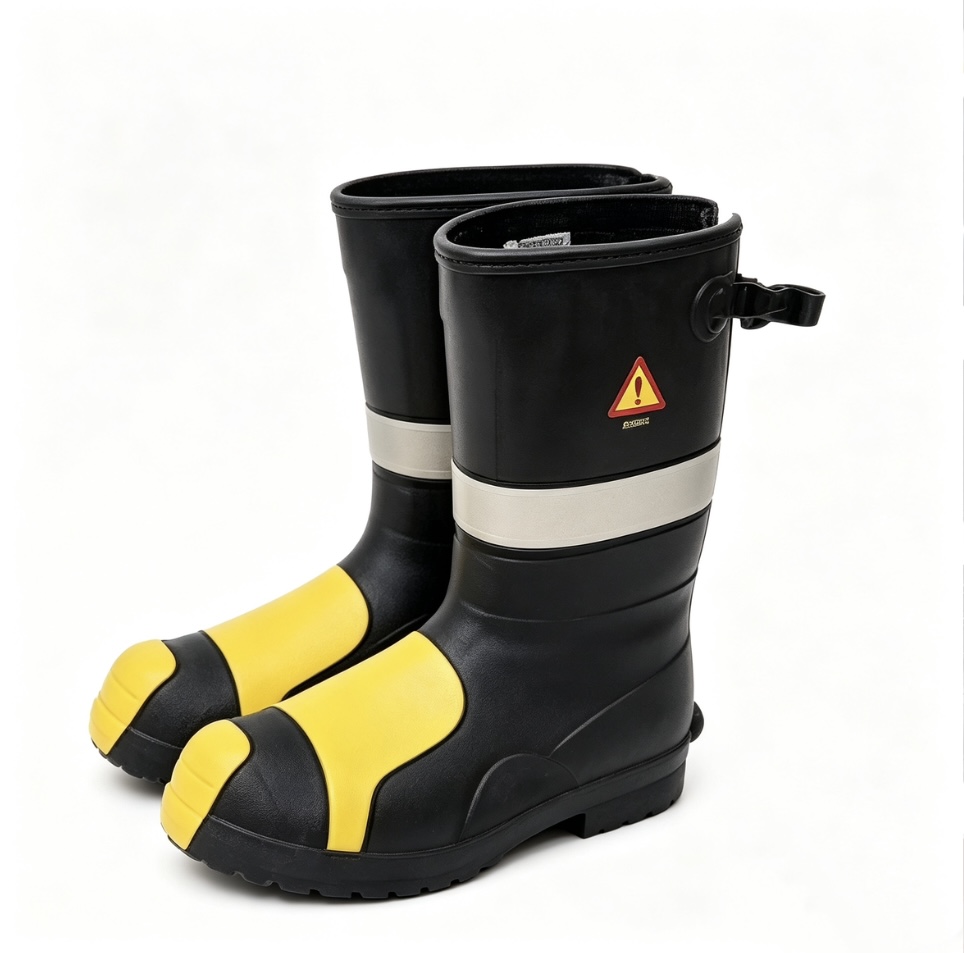
2. Product and Process Principle
Anti - smash boots are designed with specific materials and manufacturing processes to ensure maximum protection. The toe cap is a critical component. It is typically made of steel, composite materials, or aluminum. Steel toe caps are known for their high strength and durability, capable of withstanding heavy impacts. However, they are relatively heavy. Composite toe caps, on the other hand, are lighter, providing better comfort for long - term wear. They are also non - conductive, which is beneficial in electrical work environments. Aluminum toe caps offer a balance between strength and weight.
The outsole of anti - smash boots is equally important. Rubber is a common material for outsoles due to its excellent grip and durability. Different outsole patterns are designed for specific work conditions. For example, deep - lug patterns are ideal for muddy or slippery surfaces, providing better traction. The manufacturing process of the outsole may involve injection molding or vulcanization. Injection molding allows for precise shaping and is suitable for mass - production. Vulcanization, on the other hand, enhances the rubber's strength and flexibility by treating it with heat and sulfur.
The upper part of the boot can be made of various materials, such as leather, synthetic materials, or a combination of both. Leather is durable, water - resistant, and breathable. Synthetic materials are often lighter and more affordable, and they can be engineered to have specific properties like water - proofing or abrasion resistance. Professional Rain Boot Manufacturer often uses advanced stitching techniques and seam - free structures in the upper part to prevent water and debris from entering the boot and to enhance its overall strength.
3. Practical Solutions and Operation Steps
When choosing anti - smash boots, consider the following steps:
- Material Selection: If you need high - strength protection, steel toe caps are a good choice. However, if weight is a concern, opt for composite or aluminum toe caps. For the outsole, rubber is a reliable option, and choose a pattern based on your working surface. For the upper, leather provides durability and breathability, while synthetic materials offer lightness and cost - effectiveness.
- Size and Fit: Measure your feet accurately and try on boots before purchasing. Make sure there is enough room in the toe box to wiggle your toes. A snug fit around the heel and ankle is essential for stability. If you plan to wear thick socks in cold weather, consider sizing up accordingly.
- Functionality: Consider additional features such as insulation for cold environments, waterproofing for wet conditions, and electrical hazard protection in relevant workplaces.
- Certification: Ensure that the boots meet relevant safety standards, such as ASTM F2413 - 24 for safety toe footwear. This certification provides assurance of the boot's performance in terms of impact and compression resistance.
During the operation, break in your boots gradually to avoid blisters and foot pain. Replace the insoles periodically to maintain comfort. And always check the boots for any signs of wear or damage before each use.
4. Daily Maintenance and Precautions
To ensure the longevity and performance of anti - smash boots, proper maintenance is crucial. After each use, remove any dirt, mud, or debris from the boots using a soft brush or cloth. If the boots are wet, let them dry naturally at room temperature. Avoid direct sunlight and heat sources, as they can cause the materials to dry out and crack. For leather boots, use a leather conditioner to keep the leather supple and prevent it from becoming brittle.
To remove odors, sprinkle baking soda inside the boots and let it sit overnight. Then, shake out the baking soda in the morning. To prevent the boots from deforming, stuff them with newspaper or a boot tree when not in use.
There are several things to avoid. Do not use harsh chemicals or solvents to clean the boots, as they can damage the materials. Do not use regular rain boots in high - risk work environments that require certified anti - smash boots. And do not wear boots that are too tight or too loose for an extended period, as it can lead to foot problems.
5. Industry Standard and Parameter Reference
This chapter provides the key standards and parameters related to anti - smash boots to ensure user safety and product quality:
ParameterRecommended ReferenceWhy It MattersSlip resistanceEN ISO 20344:2021 / EN ISO 20347:2022+A1:2024 where applicableHelps evaluate outsole grip on wet or contaminated surfaces, reducing the risk of slips and falls.Occupational footwear requirementsISO 20347:2021 or EN ISO 20347:2022+A1:2024Supports non - safety occupational footwear selection, ensuring that boots meet basic comfort and functionality requirements.Safety toe footwearASTM F2413 - 24 where protective toe performance is claimedRelevant only when the boot is designed and marked as protective safety footwear, providing a standard for impact and compression resistance.Chemical protective footwearEN 13832 - 3:2018 where prolonged chemical contact is claimedUseful for chemical degradation and permeation evaluation, ensuring boots can protect feet in chemical - exposed workplaces.
When referring to performance data, rely solely on values provided by verified standards, public test reports, or user - supplied product data. For non - verifiable values, describe the test category instead of fabricating numbers.
6. Customer Common FAQ
Q: How do I choose the right material for anti - smash boots?
A: Consider your work environment and personal preferences. Steel toe caps offer high strength but are heavy. Composite toe caps are lighter and non - conductive, suitable for electrical work. Rubber outsoles provide good grip. Leather uppers are durable and breathable, while synthetic uppers are light and cost - effective. A Professional Rain Boot Manufacturer can provide more detailed advice based on your specific needs.
Q: Are anti - smash boots suitable for long - term wear?
A: Yes, but comfort is crucial. Choose boots with proper cushioning and ventilation. Break them in gradually to avoid foot fatigue. Also, periodic insole replacement can enhance long - term comfort.
Q: How do I check if the boots meet safety standards?
A: Look for certification labels on the boots, such as ASTM F2413 - 24 for safety toe footwear. You can also ask the manufacturer or supplier for test reports or certificates.
Q: Can I wear anti - smash boots in wet conditions?
A: It depends on the boot's waterproofing feature. Some boots are designed to be waterproof, while others may require waterproofing treatment. Check the product specifications or ask the manufacturer for details.
Q: How often should I replace my anti - smash boots?
A: It depends on the frequency of use and the wear and tear of the boots. Generally, if you notice significant damage to the toe cap, outsole, or upper, or if the boots no longer provide adequate protection or comfort, it's time to replace them.
Conclusion
In conclusion, anti - smash boots are essential for protecting feet in high - risk work environments. Understanding the common problems, such as insufficient protection, comfort issues, and sizing problems, is the first step. The principles of material and process, including the choice of toe cap, outsole, and upper materials, play a crucial role in ensuring the boots' performance. By following practical solutions such as proper material and size selection and adhering to maintenance tips, users can maximize the boots' lifespan and effectiveness. A Professional Rain Boot Manufacturer can provide valuable guidance throughout the process of selection, use, and maintenance of anti - smash boots.
References
- Beijing Zhongke Guangxi Scientific Technology Research Institute, "Color Rain Boots (Shoes) Partial Parameter Testing", 2026
- Chuanzang Dynamics, "2026 Rain Boots for Rainy Cycling Authoritative Evaluation: Top Ten Brands' Actual Test, Wind - proof, Waterproof and Non - Slip First Choice", 2026
- Report of China's Rubber RainBoot Industry Market Survey, Research and Development Trend Forecast, 2026