


Insulated Neoprene Women’s Outdoor Boots: Cold-Resistant & Flexible Functional Benefits for Cold-Climate Gear Distributors
Aug 13, 2026
View: 1
Leave a message
Meta Description: Explore the world of women's neoprene boots, addressing common issues like cold feet, discomfort, and poor performance. Ideal for cold-climate gear distributors, outdoor enthusiasts, and those seeking reliable footwear. Professional Rain Boot Manufacturer offers in - depth insights into these boots' unique features and benefits.
Keywords: Women Neoprene Boots, cold-resistant boots, flexible boots, rain boots, waterproof boots, neoprene material, boot maintenance
1. Core Problem Analysis
1.1 Common Causes of the Problem
When searching for women's neoprene boots, consumers often face several issues. Cold feet are a major concern, especially in cold climates. The lack of proper insulation can make feet feel numb and uncomfortable. Another problem is the inflexibility of the boots. Some boots are too rigid, which restricts movement and can cause fatigue during long - term wear. Additionally, issues such as poor waterproofing, which can lead to wet feet, and improper sizing, resulting in blisters or a loose fit, are also common.
1.2 Affected Usage Scenarios
These problems affect various usage scenarios. For outdoor activities like hiking in cold and wet environments, cold - resistant and flexible boots are essential. Fishing by the lake or river often exposes feet to water, so waterproof boots are a must. In farming and gardening, where one has to walk on muddy and uneven ground, boots with good grip and flexibility are needed. Commuting in rainy weather also requires reliable waterproof and comfortable boots to keep feet dry and warm.
2. Product and Process Principle
Neoprene is a synthetic rubber material known for its excellent insulation and flexibility. It has a closed - cell structure, which means it can trap air and provide good thermal insulation. This makes neoprene boots ideal for cold climates as they can keep feet warm even in freezing temperatures.
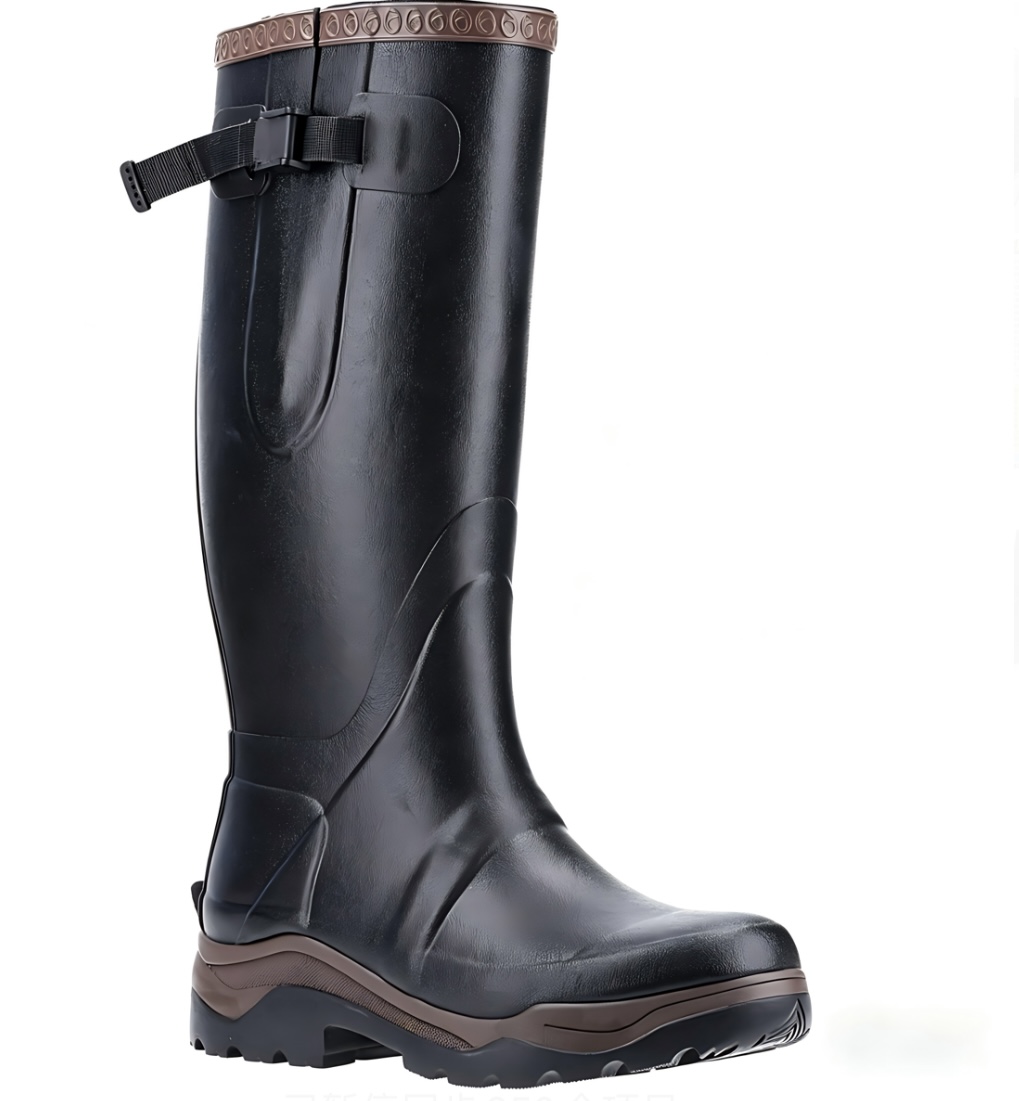
The manufacturing process of neoprene boots involves several steps. First, the neoprene material is cut into the appropriate shapes for the boot components, such as the upper, sole, and lining. Then, these components are assembled. The assembly process may use techniques like bonding or stitching, depending on the design of the boot. Professional Rain Boot Manufacturer often uses advanced bonding technologies to ensure a strong and durable connection between the components.
For the sole, different materials and patterns can be used to enhance grip and durability. For example, some neoprene boots have rubber soles with deep grooves or patterns to provide better traction on wet and slippery surfaces. The lining of the boots can also vary, from soft and breathable materials to ones that offer additional insulation.
3. Practical Solutions and Operation Steps
When choosing women's neoprene boots, consider the following steps:
- Material Selection: Look for high - quality neoprene with a good thickness. Thicker neoprene generally provides better insulation. Also, check the quality of the sole material. Rubber soles are a popular choice for their durability and grip.
- Height of the Shaft: The height of the boot shaft depends on your usage scenario. For activities where you may encounter deep water or mud, taller shafts are better. For general commuting, a mid - height shaft may be sufficient.
- Outsole Pattern: Choose a boot with a pattern that suits your needs. Deep grooves and multi - directional patterns are good for providing grip on various surfaces, such as wet rocks, mud, or snow.
- Lining: If you need extra warmth, look for boots with a warm lining, such as fleece or wool. For breathability, a breathable fabric lining is a better option.
- Size: Always measure your feet accurately and refer to the manufacturer's size chart. Try on the boots if possible to ensure a proper fit. A good fit should allow enough room for your toes to move but not be too loose that your feet slide inside.
- Cold - Resistance Rating: Some boots come with a cold - resistance rating. This can help you determine if the boots are suitable for the temperatures you will be in.
- Slip - Resistance Rating: Check for a slip - resistance rating. Boots with a higher rating will provide better grip on wet and slippery surfaces. According to EN ISO 20344:2021, a proper test can evaluate the outsole grip on wet or contaminated surfaces.
For cleaning, gently wipe the boots with a damp cloth after use. If they are very dirty, you can use a mild soap solution. After cleaning, let them dry in a well - ventilated area away from direct sunlight or heat sources. For storage, keep them in a cool, dry place. You can stuff them with newspaper or a boot tree to help maintain their shape.
4. Daily Maintenance and Precautions
Daily maintenance is crucial for the longevity of women's neoprene boots. Here are some tips:
- Cleaning: Regularly clean the boots to remove dirt, mud, and salt. Use a soft brush or cloth and a mild detergent. Avoid using harsh chemicals or abrasive cleaners as they can damage the neoprene material.
- Drying: After cleaning or getting wet, dry the boots properly. Do not expose them to direct sunlight or high - heat sources such as heaters or hair dryers. This can cause the neoprene to crack, shrink, or lose its elasticity. Instead, let them air dry in a well - ventilated area.
- Odor Removal: To remove odors, you can sprinkle baking soda inside the boots and let it sit overnight. Then, shake out the baking soda the next day.
- Anti - aging: Store the boots away from direct sunlight and heat to prevent the neoprene from aging prematurely. You can also apply a neoprene protectant to help maintain its flexibility and water - resistance.
- Anti - deformation: When storing the boots, stuff them with newspaper or a boot tree to help them keep their shape. Avoid stacking heavy objects on top of them.
- Low - temperature storage: In cold weather, do not store the boots in extremely cold environments for long periods. This can make the neoprene brittle. If you have to store them in a cold place, bring them to room temperature gradually before using them again.
- Chemical contact: If the boots come into contact with chemicals, rinse them thoroughly with water as soon as possible. Some chemicals can damage the neoprene material.
Here are some things to avoid: Do not leave the boots in direct sunlight for extended periods, as this can cause the neoprene to fade and become brittle. Do not place them near high - temperature sources, such as radiators or stoves. Do not use strong solvents to clean the boots, as they can dissolve the neoprene. And do not use ordinary neoprene boots in situations where safety - certified boots are required, such as in industrial or construction settings.
5. Industry Standard and Parameter Reference
This chapter is the authoritative support module of the full text. The following table lists international standards, test methods, or verifiable parameters related to women's neoprene boots:
ParameterRecommended ReferenceWhy It MattersSlip resistanceEN ISO 20344:2021 / EN ISO 20347:2022+A1:2024 where applicableHelps evaluate outsole grip on wet or contaminated surfaces.Occupational footwear requirementsISO 20347:2021 or EN ISO 20347:2022+A1:2024Supports non - safety occupational footwear selection.Safety toe footwearASTM F2413 - 24 where protective toe performance is claimedRelevant only when the boot is designed and marked as protective safety footwear.Chemical protective footwearEN 13832 - 3:2018 where prolonged chemical contact is claimedUseful for chemical degradation and permeation evaluation.
Do not invent exact performance numbers. Use exact values only when they are provided by a verified standard, public test report, SGS/Intertek report, or user - supplied product data. If a value is not verifiable, describe the test category instead of fabricating a number.
6. Customer Common FAQ
Q: How do I choose the right material for women's neoprene boots?
A: Look for high - quality neoprene with a suitable thickness for insulation. Also, consider the quality of the sole material, such as rubber for better durability and grip. Professional Rain Boot Manufacturer can provide more guidance on material selection based on your specific needs.
Q: Are neoprene boots slip - resistant?
A: Many neoprene boots are designed to be slip - resistant, especially those with rubber soles and appropriate outsole patterns. You can check the slip - resistance rating according to EN ISO 20344:2021 to ensure they meet your requirements.
Q: How do I find the right size of neoprene boots?
A: Measure your feet accurately and refer to the manufacturer's size chart. It's also a good idea to try on the boots if possible to ensure a proper fit.
Q: Do neoprene boots have an odor?
A: New neoprene boots may have a slight odor, but it usually dissipates over time. You can use methods like sprinkling baking soda inside the boots to remove the odor.
Q: Can neoprene boots crack in cold weather?
A: If the neoprene is of poor quality or exposed to extremely low temperatures for a long time, it may crack. To prevent this, store the boots properly in cold weather and choose high - quality neoprene.
Conclusion
In conclusion, when it comes to women's neoprene boots, understanding the core problems such as cold feet, inflexibility, and sizing issues is crucial. By knowing the product and process principle of neoprene boots, including the material properties and manufacturing steps, consumers can make more informed decisions. Practical solutions like proper material, size, and outsole pattern selection, along with daily maintenance and following industry standards, can ensure the long - term use of these boots. Professional Rain Boot Manufacturer can offer valuable insights and guidance throughout the selection and use process.
References
- EN ISO 20344:2021, Footwear Test Methods
- EN ISO 20347:2022+A1:2024, Occupational Footwear
- ISO 20347:2021, Occupational Footwear
- ASTM F2413 - 24, Protective Footwear Specification
- EN 13832 - 3:2018, Chemical Protective Footwear