


Insulated Waterproof Winter Boots: Thermal Protection Solutions for Cold & Damp Working Conditions
Aug 13, 2026
View: 0
Leave a message
Meta Description: This article delves into the world of winter waterproof warm boots, addressing common problems such as cold feet, water seepage, and poor grip in cold and damp working conditions. It provides insights into the materials and manufacturing processes of these boots, offers practical selection and maintenance tips, and presents relevant industry standards. Whether you're an industrial worker, a farmer, or someone who needs reliable footwear in cold environments, this guide will help you make informed decisions. Professional Rain Boot Manufacturer
Keywords: winter waterproof warm boots, rain boots, rubber boots, boot material, boot maintenance, cold working conditions, thermal protection
1. Core Problem Analysis
1.1 Common Causes of the Problem
When searching for winter waterproof warm boots, users typically aim to solve several key issues. Cold feet are a major concern in frigid working conditions. Insufficient insulation can lead to discomfort and even frostbite. Water seepage is another problem, which may occur due to poor sealing at the seams, low - quality waterproof materials, or damage to the boots. Slip resistance is crucial as well. In damp and cold environments, surfaces are often slippery, and inadequate sole patterns or materials can increase the risk of falls. Additionally, issues like poor fit, material aging, and lack of breathability can also affect the overall user experience.
1.2 Affected Usage Scenarios
The problems associated with winter waterproof warm boots impact various usage scenarios. In farming, workers may need to be outside in cold and wet fields for extended periods. Gardening also involves working in damp soil and cold weather. Food processing facilities often have cold and wet floors. Fishing requires boots that can withstand cold water and slippery decks. Rainy commuting exposes individuals to cold and wet conditions on the streets. Warehouse cleaning involves moving around in cold, damp spaces. Livestock work means being in muddy and cold barns or pastures. Muddy outdoor work, such as construction or road maintenance in winter, also demands reliable boots.
2. Product and Process Principle
Winter waterproof warm boots are made from a variety of materials, each with its own unique properties. PVC (polyvinyl chloride) is a common material due to its low cost and ease of processing. It can be made waterproof and has a certain degree of flexibility. However, its performance in cold temperatures may be limited, as it can become brittle. Rubber, whether natural or synthetic, offers excellent elasticity, durability, and waterproofness. It can withstand cold temperatures better than PVC and provides good grip. EVA (ethylene - vinyl acetate) is often used in the midsole or as an inner lining material. It is lightweight, has good shock - absorbing properties, and can contribute to the overall warmth of the boots. TPR (thermoplastic rubber) is a material that combines the properties of rubber and plastic. It has good flexibility, wear resistance, and is suitable for making outsoles.
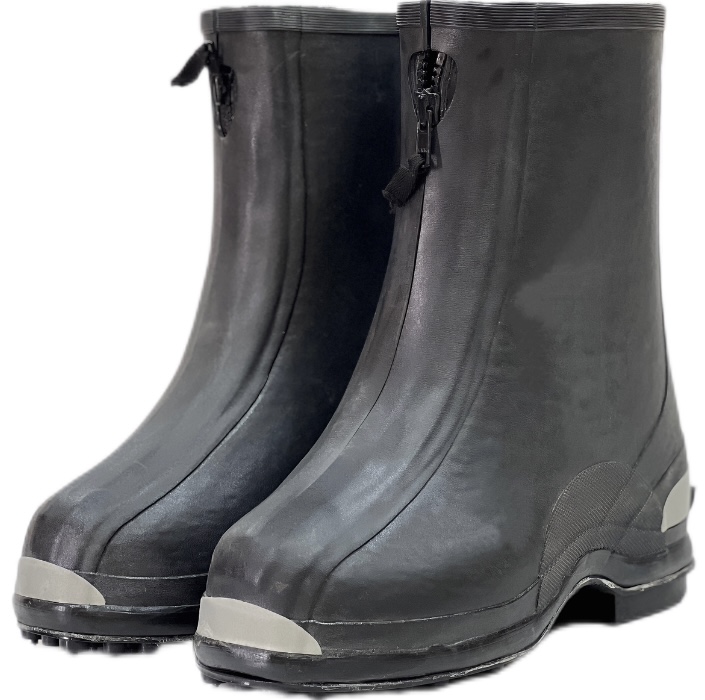
The manufacturing processes of these boots are also diverse. Injection molding is a common method, especially for PVC and TPR boots. In this process, the molten material is injected into a mold under high pressure. This allows for the production of boots with complex shapes and precise dimensions. The advantage of injection - molded boots is that they can be produced in large quantities with high efficiency. Vulcanization is a key process for rubber boots. It involves heating the rubber with sulfur or other vulcanizing agents to cross - link the polymer chains, which enhances the strength, durability, and elasticity of the rubber. Seam - free structure is an important feature for waterproof boots. By reducing the number of seams, the risk of water seepage is minimized. Thickness control is also crucial. For example, a thicker outsole can provide better protection against cold and more durability, while a thicker lining can enhance warmth. Professional Rain Boot Manufacturer is often involved in optimizing these processes to ensure high - quality products.
3. Practical Solutions and Operation Steps
When choosing winter waterproof warm boots, consider the following aspects:
- Material selection: For cold and damp conditions, rubber is a preferred material for the outsole due to its good grip and cold - resistance. PVC can be used for the upper part if cost is a concern, but make sure it is of high quality and has been treated for cold - weather performance. EVA or other insulating materials can be used for the lining to provide warmth.
- Boot height: The shaft height should be appropriate for the working environment. For shallow water or light rain, low - to mid - calf boots may be sufficient. In deeper water or in situations where there is a risk of snow getting into the boots, high - calf or even knee - high boots are recommended.
- Outsole pattern: Look for outsoles with deep, well - defined patterns. Zigzag, lug, or herringbone patterns are effective for providing grip on wet and slippery surfaces. The pattern should also be designed to self - clean, preventing mud and debris from building up and reducing traction.
- Lining: A soft, insulating lining such as fleece or wool can keep your feet warm. Some linings are also moisture - wicking, which helps to keep your feet dry.
- Size: Ensure a proper fit. Boots that are too tight can restrict blood circulation and cause cold feet, while boots that are too loose may not provide adequate support and can allow water to enter more easily. Try on boots with the socks you plan to wear in winter.
- Cold resistance rating:: Check the cold - rating of the boots. Some boots are designed for extremely cold temperatures, while others are more suitable for milder cold. Consider the lowest temperature you will be exposed to in your work environment.
- Slip resistance rating: Refer to industry standards such as EN ISO 20344:2021 / EN ISO 20347:2022+A1:2024 to evaluate the slip resistance of the boots.
- Cleaning: After use, clean the boots with mild soap and water. Avoid using harsh chemicals that may damage the materials. Dry the boots naturally at room temperature, away from direct heat sources.
- Storage method: Store the boots in a cool, dry place. If possible, stuff them with newspaper to help maintain their shape and absorb moisture.
4. Daily Maintenance and Precautions
Proper daily maintenance can extend the lifespan of winter waterproof warm boots. For cleaning, use a soft brush or cloth to remove dirt and debris. If there are stubborn stains, you can use a mild detergent. After cleaning, rinse the boots thoroughly and let them dry slowly at room temperature. Do not expose the boots to direct sunlight for long periods, as this can cause the materials to fade, crack, and lose their elasticity. Avoid placing the boots near high - temperature heat sources, such as radiators or heaters, as this can also damage the materials. When it comes to chemicals, keep the boots away from solvents, acids, and alkalis, as these can corrode the materials. If the boots come into contact with chemicals, rinse them immediately with a large amount of water.
It's important to note some common pitfalls. Do not use ordinary rain boots in situations where safety boots are required. Safety boots are designed to meet specific standards for protection against hazards such as impact, puncture, and electrical shock. Also, do not neglect to check the boots regularly for signs of wear and tear, such as cracks in the sole or damage to the seams. If any problems are found, repair or replace the boots in a timely manner.
5. Industry Standard and Parameter Reference
This section provides authoritative references for evaluating winter waterproof warm boots. The following table lists some key parameters, recommended references, and their importance:
ParameterRecommended ReferenceWhy It MattersSlip resistanceEN ISO 20344:2021 / EN ISO 20347:2022+A1:2024 where applicableHelps evaluate outsole grip on wet or contaminated surfaces.Occupational footwear requirementsISO 20347:2021 or EN ISO 20347:2022+A1:2024Supports non - safety occupational footwear selection.Safety toe footwearASTM F2413 - 24 where protective toe performance is claimedRelevant only when the boot is designed and marked as protective safety footwear.Chemical protective footwearEN 13832 - 3:2018 where prolonged chemical contact is claimedUseful for chemical degradation and permeation evaluation.
When evaluating the performance of boots, rely on exact values only when they are provided by a verified standard, public test report, SGS/Intertek report, or user - supplied product data. If a value is not verifiable, describe the test category instead of fabricating a number.
6. Customer Common FAQ
Q: How do I choose the right material for winter waterproof warm boots?
A: Consider the working environment. Rubber is a good choice for outsoles in cold and damp conditions due to its grip and cold - resistance. For the upper part, PVC can be used if cost is a factor, but ensure it is suitable for cold weather. EVA or other insulating materials are great for the lining. Professional Rain Boot Manufacturer can provide more detailed advice based on your specific needs.
Q: What should I do if my boots have a strong odor?
A: You can place the boots in a well - ventilated area for a few days to let the odor dissipate. You can also put some activated charcoal or baking soda inside the boots to absorb the odor.
Q: How do I know if the boots are the right size?
A: Try on the boots with the socks you plan to wear in winter. Your toes should have enough room to move, and the boots should fit snugly around the heel and ankle without being too tight. Walk around in the boots to ensure a comfortable fit.
Q: Can I use these boots in extremely cold temperatures?
A: Check the cold - rating of the boots. Some boots are designed for extremely cold temperatures, while others are more suitable for milder cold. Refer to the manufacturer's specifications to determine if the boots are appropriate for your environment.
Q: How often should I clean my boots?
A: It depends on how often you use the boots and the working conditions. If you use them daily in dirty or wet environments, clean them after each use. If they are used less frequently, clean them as needed.
Conclusion
In conclusion, winter waterproof warm boots are essential for working in cold and damp conditions. Understanding the core problems, product and process principles, practical solutions, maintenance tips, and industry standards is crucial for making informed choices. When selecting boots, consider factors such as material, boot height, outsole pattern, lining, size, and performance ratings. Regular maintenance can ensure the longevity of the boots. Professional Rain Boot Manufacturer can offer valuable insights and high - quality products to meet your needs.
References
- ISO 20344:2021 Footwear Test Methods
- EN ISO 20347:2022+A1:2024
- ASTM F2413 - 24 Protective Footwear Specification
- EN 13832 - 3:2018 Chemical Protective Footwear