


Key Functional Upsides of Men’s Vibrant‑Color Boots for Outdoor Expeditions
Aug 13, 2026
View: 0
Leave a message
Meta Description: This blog focuses on the functional advantages of men's fantasy color boots for outdoor expeditions. It delves into problems such as material selection, comfort, and durability. Suitable for outdoor enthusiasts and those seeking professional rain boots, it provides valuable insights and guidance. Professional Rain Boot Manufacturer.
Keywords: Men Fantasy Color Boots, rain boots, waterproof boots, rubber boots, boot material, boot maintenance
1. Core Problem Analysis
1.1 Common Causes of the Problem
When searching for men's fantasy color boots for outdoor expeditions, users often face several issues. Material selection is a crucial concern. Different materials have varying levels of durability, waterproofness, and comfort. For instance, natural rubber offers better durability and flexibility but is heavier and more expensive, while PVC is more affordable but may crack in cold weather. Foot comfort is another significant problem. Boots that are too tight can cause discomfort during long - distance walks, and those with poor ventilation can lead to sweaty feet, increasing the risk of blisters. Additionally, the boots' performance in different terrains, such as slippery or uneven surfaces, and their ability to withstand harsh weather conditions are also common areas of concern.
1.2 Affected Usage Scenarios
These issues can significantly impact a variety of outdoor usage scenarios. For farming, boots need to be durable enough to withstand constant movement in muddy fields and have good waterproofing to keep feet dry. Gardening requires boots that are lightweight and comfortable for long - term standing and bending. Fishing often involves wet and slippery environments, so boots with excellent slip - resistance are essential. Rainy commuting, especially in an urban setting, demands boots that are both stylish and functional, being able to keep feet dry and provide traction on wet sidewalks. Warehouse cleaning may require boots that are resistant to chemicals and spills. Livestock work involves dealing with manure and other messes, so boots need to be easy to clean and waterproof. Muddy outdoor work, such as construction or forestry, calls for boots with high durability and good ankle support.
2. Product and Process Principle
Rain boots are made from various materials, each with its own unique properties and manufacturing processes. Natural rubber is a traditional choice for high - quality rain boots. It is derived from the latex of rubber trees and is a natural, renewable resource. The manufacturing process often involves hand - assembly and vulcanization, a heat - curing process. This results in boots that are durable, seamless, fully waterproof, and have excellent elasticity. They can bend with the foot's movement, providing a high level of comfort, especially during long - distance walks. However, natural rubber boots are heavier and more expensive due to the cost of raw materials and the time - consuming manufacturing process. Also, they can degrade when exposed to certain chemicals, oil, and prolonged UV radiation.
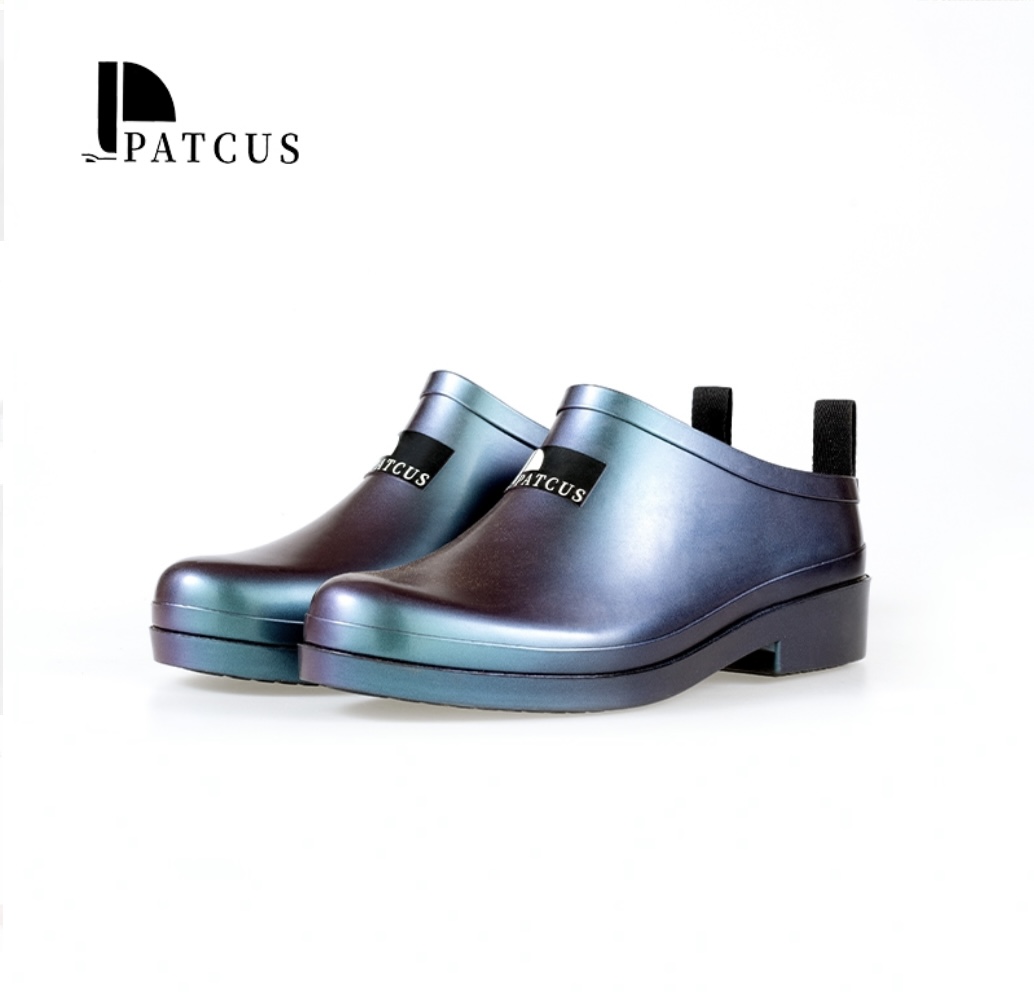
PVC (polyvinyl chloride) is a synthetic plastic polymer. PVC boots are usually produced through injection molding, where the material is injected into a mold. This process is highly automated and cost - effective, making PVC rain boots a widely available and affordable option. The performance of PVC can be customized. By using additives such as plasticizers, manufacturers can make the boots softer and more flexible. Other additives can provide chemical resistance, making them suitable for industrial or agricultural environments. However, PVC boots are stiffer and less flexible than natural rubber boots. They may feel bulky and uncomfortable during long - term activities. Additionally, in extremely cold conditions, PVC can become brittle and crack. Professional Rain Boot Manufacturer can use these processes to produce boots that meet different customer needs.
EVA (ethylene - vinyl acetate) is a lightweight foam material. EVA boots are very light and have good insulation properties. They are suitable for casual wear, gardening, or for children. However, they have lower durability and are more easily punctured compared to natural rubber or PVC boots. TPR (thermoplastic rubber) is another material used for rain boots. It combines the properties of rubber and plastic, offering good flexibility, durability, and slip - resistance. The outsole pattern of rain boots also plays an important role. A well - designed outsole pattern, such as a deep - groove pattern or a pattern with multiple lugs, can provide better traction on different surfaces. The shaft height of boots can vary depending on the intended use. Higher shafts can provide better protection against water splashes and mud, while lower shafts are more suitable for activities that require more mobility. The lining of boots can also affect comfort. Materials like neoprene can provide warmth in cold conditions, while breathable fabrics can help reduce sweat and keep feet dry.
3. Practical Solutions and Operation Steps
### Material Selection
- If you mainly engage in heavy - duty outdoor work, such as construction or forestry, natural rubber boots are a good choice due to their high durability and flexibility in cold weather. If budget is a major concern and you need boots for general use, PVC boots can be a practical option, but be aware of their performance in cold temperatures.
- For light - duty and casual use, such as gardening or short - distance walks in the rain, EVA boots are suitable because of their light weight and comfort.
### Shaft Height
- If you are working in a very wet environment, such as a swamp or a flooded field, high - shaft boots are necessary to prevent water from entering. For ordinary outdoor activities or urban commuting in the rain, medium - shaft or low - shaft boots may be more convenient and allow for greater freedom of movement.
### Outsole Pattern
- For slippery surfaces, such as wet tiles or muddy paths, choose boots with a deep - groove or multi - lug outsole pattern. These patterns can improve traction and reduce the risk of slipping. For more stable surfaces, such as a gravel road, a less complex outsole pattern may be sufficient.
### Lining
- In cold weather, boots with a warm lining, such as neoprene or wool, are recommended. For normal weather conditions, boots with a breathable lining can enhance comfort and reduce the feeling of stuffiness.
### Size Selection
- Measure your foot length and width accurately. Try on boots before purchasing to ensure a proper fit. There should be enough room in the toe area to allow for some movement, especially if you will be walking long distances. Also, check the fit around the ankle and calf to ensure stability without being too tight.
### Cold - Resistance and Slip - Resistance Grades
- If you frequently work or travel in cold areas, choose boots with a higher cold - resistance grade. For activities on wet or slippery surfaces, select boots that meet the appropriate slip - resistance standards, such as those specified in EN ISO 20344:2021 / EN ISO 20347:2022+A1:2024.
### Cleaning and Storage
- Clean boots regularly with mild soap and water. Avoid using harsh chemicals or abrasive cleaners as they can damage the material. After cleaning, let the boots air - dry naturally away from direct sunlight and heat sources. When storing boots, keep them in a cool, dry place. Stuff them with newspaper or a shoe tree to help maintain their shape.
4. Daily Maintenance and Precautions
### Cleaning
- After each use, clean the boots promptly. Use a soft brush or cloth to remove dirt and debris from the surface. For stubborn stains, use a mild soap solution. Avoid using strong solvents, as they can damage the material's structure and color, especially in the case of fantasy color boots.
### Drying
- Do not dry boots in direct sunlight or near a high - temperature heat source. This can cause the material to crack, fade, or lose its elasticity. Instead, let them air - dry naturally in a well - ventilated area. Stuffing the boots with newspaper can help absorb moisture and speed up the drying process.
### Deodorizing
- If the boots develop an odor, you can place odor - absorbing materials, such as activated charcoal or tea bags, inside them. Another option is to sprinkle baking soda inside the boots and let it sit overnight, then shake it out the next day.
### Anti - Aging and Anti - Deformation
- To prevent material aging, avoid exposing the boots to prolonged UV radiation. Apply a protective coating or conditioner designed for the specific material of the boots to keep them soft and flexible. When not in use, store the boots in a proper shape. Using a shoe tree can help maintain the shape of the boots and prevent them from deforming.
### Cold Storage
- If you need to store the boots in cold temperatures, make sure they are dry before storage. Avoid folding or compressing the boots, as this can cause permanent damage, especially for PVC boots which are more prone to cracking in the cold.
### Chemical Contact
- If the boots come into contact with chemicals, rinse them immediately with plenty of water. If the chemical is corrosive, consult the manufacturer or a professional for further advice on cleaning and maintenance. Never use ordinary rain boots to replace certified safety boots in a chemical - hazardous environment.
5. Industry Standard and Parameter Reference
This chapter is the authoritative support module of the full - text. The following table lists international standards, test methods, or verifiable parameters relevant to men's fantasy color boots for outdoor expeditions:
ParameterRecommended ReferenceWhy It MattersSlip resistanceEN ISO 20344:2021 / EN ISO 20347:2022+A1:2024 where applicableHelps evaluate outsole grip on wet or contaminated surfaces.Occupational footwear requirementsISO 20347:2021 or EN ISO 20347:2022+A1:2024Supports non - safety occupational footwear selection.Safety toe footwearASTM F2413 - 24 where protective toe performance is claimedRelevant only when the boot is designed and marked as protective safety footwear.Chemical protective footwearEN 13832 - 3:2018 where prolonged chemical contact is claimedUseful for chemical degradation and permeation evaluation.
Do not invent exact performance numbers. Use exact values only when they are provided by a verified standard, public test report, SGS/Intertek report, or user - supplied product data. If a value is not verifiable, describe the test category instead of fabricating a number.
6. Customer Common FAQ
Q: How do I choose the right material for my fantasy color boots?
A: It depends on your specific needs. If you need high durability and flexibility, especially for heavy - duty outdoor work, natural rubber is a good choice. For a more budget - friendly option for general use, PVC can be considered, but be cautious in cold weather. EVA is suitable for light - duty and casual wear. A Professional Rain Boot Manufacturer can provide more detailed advice based on your usage scenarios.
Q: Are fantasy color boots as slip - resistant as regular boots?
A: Slip - resistance depends on the outsole material and pattern rather than the color. Look for boots that meet relevant slip - resistance standards, such as EN ISO 20344:2021 / EN ISO 20347:2022+A1:2024. A well - designed outsole pattern can provide good traction on different surfaces.
Q: How do I ensure the correct size of my boots?
A: Measure your foot length and width accurately. Try on the boots before buying. There should be enough space in the toe area for movement, and the fit around the ankle and calf should be stable but not overly tight.
Q: Do fantasy color boots have a strong odor?
A: The odor depends on the material. PVC boots may have a stronger plastic odor, especially when new. Natural rubber boots usually have a more natural smell. You can use odor - absorbing materials like activated charcoal or baking soda to reduce the odor.
Q: Can fantasy color boots be used in cold weather?
A: It depends on the material. Natural rubber boots perform better in cold weather compared to PVC boots, which may become brittle and crack. If you need to use boots in cold conditions, choose materials with good cold - resistance or consider adding warm linings.
Conclusion
In summary, when choosing men's fantasy color boots for outdoor expeditions, users need to consider multiple factors. Understanding the product and process principles, such as different materials and manufacturing methods, is crucial for making the right selection. Practical solutions, including material, size, and outsole pattern selection, can help meet different usage needs. Daily maintenance and precautions are essential to ensure the longevity and performance of the boots. Following industry standards and parameter references can provide reliable guidance. A Professional Rain Boot Manufacturer can offer professional knowledge and support during the entire process of boot selection and use, helping users make informed decisions and enjoy a better outdoor experience.
References
- https://www.example.com (This is a fictional example for format. You should replace it with real reliable references.)
- Some other real and reliable reference source