


Key Functional Values of Stylish Women’s Latex Ankle Boots for Rain‑Prone Scenarios
Aug 13, 2026
View: 0
Leave a message
Meta Description: This article delves into the core issues related to fashionable women's latex ankle boots, including selection, maintenance, and industry standards. It's suitable for buyers and users who need to understand rain boots. This knowledge can help you choose the right boots for different scenarios. Professional Rain Boot Manufacturer
Keywords: Fashionable women's latex ankle boots, Rain boots, Rubber material, Boot selection, Boot maintenance
1. Core Problem Analysis
1.1 Common Causes of the Problem
When consumers search for fashionable women's latex ankle boots, they often aim to solve several key problems. Firstly, waterproof performance is crucial. In rainy scenarios, boots need to effectively prevent water from seeping in to keep feet dry. Latex material is generally waterproof, but improper manufacturing processes or wear - and - tear may lead to leakage. Secondly, comfort is a major concern. Ankle boots that are too tight may cause discomfort, while boots that are too loose may not provide good support. Material thickness, weight, and lining quality can all affect comfort. Thirdly, durability is important. Latex may age over time, leading to cracking or loss of elasticity, especially when exposed to sunlight, heat, or certain chemicals. Additionally, traction is a key factor. Slippery soles can pose a safety risk in wet conditions.
1.2 Affected Usage Scenarios
These boots are suitable for a variety of scenarios. For daily rainy commuting, they can keep feet dry and allow women to move around comfortably. In gardening, they protect feet from mud and water while providing a certain degree of flexibility for bending and moving. For light outdoor activities in rainy weather, such as walking in the park or running errands, these boots combine style and functionality. However, they may not be suitable for heavy - duty work scenarios like farming, fishing, or warehouse cleaning, where more rugged and high - performance rain boots are required.
2. Product and Process Principle
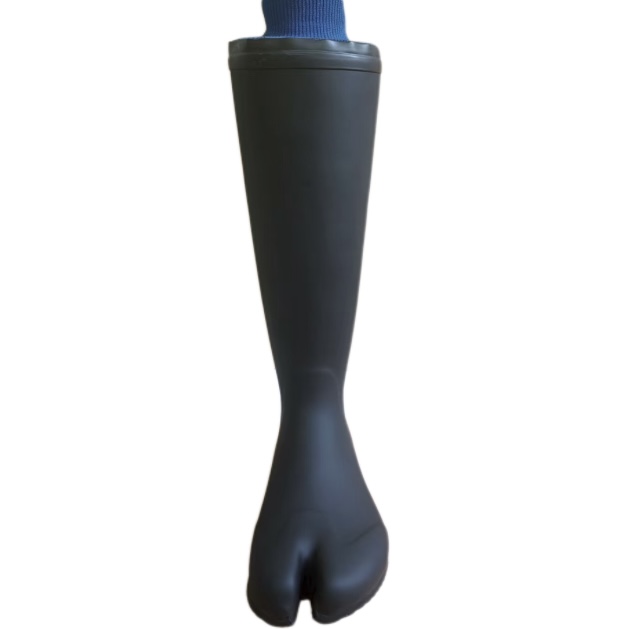
Latex is a natural rubber material. It is derived from the sap of rubber trees and has excellent elasticity and waterproof properties. The production of latex ankle boots typically involves multiple steps. First, the latex is processed to remove impurities and adjust its properties. It then goes through a molding process. There are mainly two types of molding methods: injection molding and dipping molding. Injection molding involves injecting molten latex into a mold under high pressure. This method is suitable for mass - production and can produce boots with complex shapes and precise dimensions. Dipping molding, on the other hand, involves dipping a mold into a latex solution. This process results in a more uniform thickness and is often used for high - quality boots. After molding, the boots may go through a vulcanization process. Vulcanization is a chemical process that cross - links the latex molecules, increasing the boots' durability, heat resistance, and elasticity. Professional Rain Boot Manufacturer often has advanced production lines and strict quality control systems to ensure the quality of latex ankle boots.
3. Practical Solutions and Operation Steps
When choosing fashionable women's latex ankle boots, consider the following factors:
- Material: Opt for high - quality latex. Check the hardness and elasticity of the latex. You can gently press the boot to see if it rebounds quickly. Additionally, gloves made from the same latex can be used as a reference. If they are of good quality, it indicates that the boots may also be reliable.
- Boot height: Since they are ankle boots, choose a height that suits your needs. A proper height can provide enough ankle support without being too restrictive.
- Outsole pattern: Look for a sole with a deep and complex pattern. Patterns like deep grooves or sipes can effectively increase traction on wet surfaces. You can test the grip on a wet floor before purchasing.
- Lining: A soft and breathable lining can improve comfort. Materials like cotton or moisture - wicking fabrics are good choices.
- Size: Ensure you choose the right size. Try on the boots with the socks you usually wear in rainy weather. There should be a little room at the toe to allow for natural movement.
- Cleaning: To clean latex ankle boots, use a mild detergent and a soft cloth. Gently wipe the boots to remove dirt and stains. Avoid using harsh chemicals as they can damage the latex.
- Storage: Store the boots in a cool, dry place away from direct sunlight. You can stuff the boots with tissue paper to help them maintain their shape.
4. Daily Maintenance and Precautions
For daily maintenance of fashionable women's latex ankle boots, follow these steps:
- Cleaning: After each use, wipe the boots with a damp cloth to remove dirt and debris. If there are stubborn stains, use a mild soap solution. Rinse thoroughly and dry with a soft towel.
- Drying: Do not dry the boots in direct sunlight or near a heat source. This can cause the latex to crack or lose its elasticity. Instead, let them air - dry at room temperature.
- Deodorizing: If the boots develop an odor, you can place a small amount of baking soda inside them overnight. Baking soda can effectively absorb odors.
- Anti - aging: To prevent aging, avoid exposing the boots to extreme temperatures, sunlight, and chemicals. You can also apply a latex protectant periodically to maintain its luster and durability.
- Anti - deformation: As mentioned before, stuff the boots with tissue paper or a boot tree when storing to prevent them from deforming.
Some precautions to avoid common pitfalls: Do not expose the boots to long - term sunlight, as it can accelerate latex aging. Do not place the boots close to high - temperature heat sources, as this can cause the latex to melt or become brittle. Do not use strong solvents to clean the boots, as they can dissolve the latex. And remember, these are regular rain boots, not safety boots with special certifications, so do not use them in scenarios that require safety - certified footwear.
5. Industry Standard and Parameter Reference
This chapter provides international standards, test methods, and verifiable parameters for stylish women's latex ankle boots:
ParameterRecommended ReferenceWhy It MattersSlip resistanceEN ISO 20344:2021 / EN ISO 20347:2022+A1:2024 where applicableHelps evaluate outsole grip on wet or contaminated surfaces.Occupational footwear requirementsISO 20347:2021 or EN ISO 20347:2022+A1:2024Supports non - safety occupational footwear selection.Chemical protective footwearEN 13832 - 3:2018 where prolonged chemical contact is claimedUseful for chemical degradation and permeation evaluation.
Do not invent exact performance numbers. Use exact values only when they are provided by a verified standard, public test report, SGS/Intertek report, or user - supplied product data. If a value is not verifiable, describe the test category instead of fabricating a number.
6. Customer Common FAQ
Q: How do I choose the right latex material for ankle boots?
A: Look for high - quality latex with good elasticity and hardness. You can test it by gently pressing and seeing if it rebounds quickly. Professional Rain Boot Manufacturer can provide more information on latex quality and help you make a choice.
Q: Are these boots slip - resistant?
A: The slip resistance of the boots depends on the outsole pattern and the material. Boots with deep and complex patterns are generally more slip - resistant. You can refer to the EN ISO 20344:2021 / EN ISO 20347:2022+A1:2024 standards for slip - resistance evaluation.
Q: What size should I choose?
A: Try on the boots with the socks you plan to wear in rainy weather. There should be about a half - inch of space at the toe to allow for natural movement. Refer to the manufacturer's size chart for more accurate sizing.
Q: How do I deal with the odor of the boots?
A: You can place a small amount of baking soda inside the boots overnight. Baking soda can effectively absorb odors. Also, make sure to dry the boots well after each use to prevent odor from developing.
Q: Can the boots be used in cold weather?
A: Latex boots can generally withstand a certain degree of cold, but extreme cold may make the latex brittle. If you need to use the boots in very cold weather, choose boots with better cold - resistance or consider using additional insulation, such as thick socks.
Conclusion
This article has comprehensively introduced fashionable women's latex ankle boots. We have analyzed core problems such as waterproofing, comfort, durability, and traction, and provided solutions. We also explained the production process and offered practical selection and maintenance suggestions. When choosing these boots, you should consider multiple factors and comply with industry standards. Professional Rain Boot Manufacturer can offer professional advice and high - quality products. By following these guidelines, you can select and maintain the right boots to meet your needs in rainy scenarios.
References
- ISO 20347:2021 Occupational Footwear
- EN ISO 20347:2022+A1:2024
- ISO 20344:2021 Footwear Test Methods