


Key Performance Benefits of Winter‑Ready Waterproof Insulating Boots for Outdoor Field Operations
Aug 14, 2026
View: 0
Leave a message
Meta Description: This article explores the key issues related to winter waterproof insulating boots, such as causes of common problems, usage scenarios, and product principles. It offers practical solutions for selection and maintenance, along with industry standards. Targeted at outdoor workers and procurement professionals, this guide provides crucial industry insights. Professional Rain Boot Manufacturer.
Keywords: waterproof insulating boots for winter, rain boots, rubber boots, boot material, boot maintenance, outdoor field operations
1. Core Problem Analysis
1.1 Common Causes of the Problem
When it comes to winter waterproof insulating boots, users often encounter several issues. One major problem is water leakage. This can be due to poor material quality, like using low - grade rubber or PVC that may have micro - holes. In addition, for boots with seams, if the sealing process is not well - done, water can seep in through the seams. Another frequent issue is insufficient insulation. Low - quality insulation materials or improper insulation thickness can lead to the feet feeling cold in winter. Moreover, the boots may become less flexible in low temperatures, especially if the material used is not suitable for cold weather. For example, PVC can become hard and brittle at low temperatures, which may cause cracking and affect the overall performance of the boots. And sometimes, the non - slip function may decline on icy or snowy surfaces because of worn - out soles or inappropriate sole patterns.
1.2 Affected Usage Scenarios
These problems can significantly affect the following usage scenarios. In farming, workers need to move around in muddy and wet fields. Leaky or non - insulated boots can make their feet wet and cold, reducing work efficiency and potentially causing health problems. In fishing, fishermen often work on wet and cold boats or near water bodies. The same issues can make their working environment extremely uncomfortable. For warehouse cleaning in cold regions, workers need to stand on wet floors for long periods. Boots that do not provide good waterproofing and insulation can lead to discomfort and even frostbite. Livestock work also requires a lot of movement in muddy and cold places. Workers need reliable boots to keep their feet warm and dry. Additionally, outdoor construction workers in winter, who are constantly exposed to cold weather and wet ground conditions, will be seriously affected by sub - standard winter waterproof insulating boots.
2. Product and Process Principle
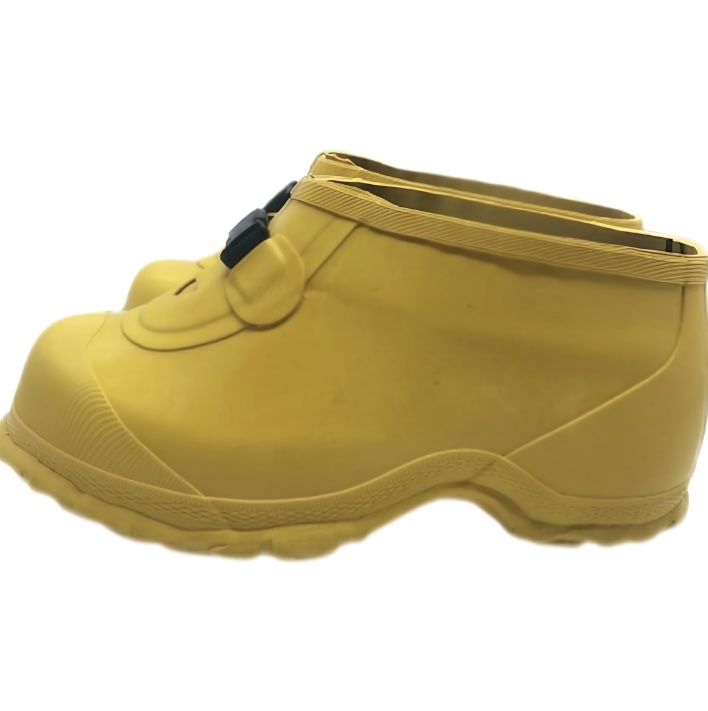
Winter waterproof insulating boots can be made from various materials, each with its own characteristics. Rubber is a traditional choice. Natural rubber has excellent elasticity, waterproofness, and cold - resistance. It comes from the latex of rubber trees and is processed through a vulcanization process. Vulcanization involves heating the rubber with sulfur, which creates cross - links between the rubber molecules, making the material more durable, stable, and elastic. Synthetic rubber also provides similar performance and often has better resistance to oil and chemicals. PVC (Polyvinyl Chloride) is another common material. It is a synthetic plastic polymer. PVC boots are usually produced by injection molding, where PVC particles are melted and injected into a boot - shaped mold under high pressure. After cooling, a seamless and waterproof boot shell is formed. However, PVC tends to be stiffer and less flexible than rubber, especially in cold weather. EVA (Ethylene - Vinyl Acetate) is a foam - like synthetic material. It is extremely light and offers good insulation and flexibility. EVA is often used in the soles or as part of the lining to enhance comfort. But it has lower durability compared to rubber or PVC. For the insulation part, materials like wool, synthetic fibers, or special thermal foams are used. These materials trap air, which is a poor conductor of heat, thus keeping the feet warm. A Professional Rain Boot Manufacturer would carefully select the appropriate materials and processes according to the intended use and target market of the boots. For example, if the boots are for extreme cold environments, high - quality rubber and thick insulation materials would be chosen.
3. Practical Solutions and Operation Steps
When choosing winter waterproof insulating boots, the following steps and considerations can be followed:
- Material selection: If durability and cold - resistance are the top priorities, natural or synthetic rubber boots are a good choice. For those on a budget, PVC boots can be considered, but be aware of their performance in cold weather. If lightweight and all - day comfort are more important, EVA - based or boots with EVA components can be chosen. For insulation, look for boots with thick wool or high - performance synthetic fiber linings.
- Boot height: The shaft height should be selected according to the usage scenario. For activities like fishing or working in deep mud, high - shaft boots can prevent water from entering and protect the calves. For general outdoor work or commuting, medium - height boots may be sufficient.
- Sole pattern: A good sole pattern is crucial for non - slip performance. Look for soles with deep grooves, lugs, or patterns that can provide good traction on wet, icy, or muddy surfaces. The pattern should also be designed to quickly drain water or snow.
- Insulation grade: Different boots have different insulation ratings. Check the insulation label or product description to choose a boot with an appropriate insulation grade for the expected temperature range. For extremely cold areas, boots with high - end insulation materials and a high insulation rating are necessary.
- Size selection: Proper fit is essential for comfort and performance. Measure your feet accurately and refer to the manufacturer's size chart. Make sure there is enough room for your toes to move freely, but the boot should not be too loose as it can cause discomfort and reduce insulation.
- Maintenance: After use, clean the boots with a mild soap and water. Avoid using harsh chemicals or abrasive cleaners that can damage the material. Dry the boots at a moderate temperature, away from direct heat sources. Store the boots in a cool, dry place, and avoid stacking heavy objects on them to prevent deformation.
4. Daily Maintenance and Precautions
To keep winter waterproof insulating boots in good condition, the following daily maintenance and precautions should be followed. For cleaning, use a mild detergent and a soft brush to gently scrub the boots. Rinse them thoroughly with clean water and pat them dry with a soft cloth. Do not use strong solvents, as they can damage the rubber or other materials of the boots. When drying the boots, do not place them in direct sunlight or near a high - temperature heat source, such as a heater or radiator. High temperatures can cause the material to harden, crack, or lose its elasticity. Hang the boots in a well - ventilated area at room temperature to air - dry. To remove odors, you can place a small amount of baking soda inside the boots overnight. Baking soda can absorb moisture and odors. To prevent aging and deformation, store the boots in a cool and dry place. If possible, stuff the boots with newspaper or a boot tree to help maintain their shape. Avoid storing the boots in a damp environment, as this can promote the growth of mold and mildew. When it comes to chemicals, be careful not to let the boots come into contact with strong acids, alkalis, or other corrosive substances. If accidental contact occurs, rinse the boots immediately with a large amount of water and follow up with appropriate cleaning and care. It's important to note that ordinary rain boots should not be used as substitute for certified safety boots in workplaces with specific safety requirements. For example, in electrical work or areas with chemical hazards, only boots that meet the relevant safety standards should be used.
5. Industry Standard and Parameter Reference
This chapter is the authoritative support module of the full text, and it must list international standards, test methods, or verifiable parameters closely related to the article theme. The following table provides some key industry standards for reference:
ParameterRecommended ReferenceWhy It MattersSlip resistanceEN ISO 20344:2021 / EN ISO 20347:2022+A1:2024 where applicableHelps evaluate outsole grip on wet or contaminated surfaces.Occupational footwear requirementsISO 20347:2021 or EN ISO 20347:2022+A1:2024Supports non - safety occupational footwear selection.Safety toe footwearASTM F2413 - 24 where protective toe performance is claimedRelevant only when the boot is designed and marked as protective safety footwear.Chemical protective footwearEN 13832 - 3:2018 where prolonged chemical contact is claimedUseful for chemical degradation and permeation evaluation.
Do not invent exact performance numbers. Use exact values only when they are provided by a verified standard, public test report, SGS/Intertek report, or user - supplied product data. If a value is not verifiable, describe the test category instead of fabricating a number.
6. Customer Common FAQ
Q: How do I choose the right material for winter waterproof insulating boots?
A: The choice of material depends on your specific needs. If you need high durability and excellent cold - resistance, natural or synthetic rubber is a good option. For cost - effectiveness, PVC can be considered, but be aware of its performance in cold conditions. If you value lightness and all - day comfort, EVA - based materials are suitable. A Professional Rain Boot Manufacturer can offer more in - depth guidance based on different usage scenarios.
Q: Are the boots really slip - resistant on ice and snow?
A: Slip resistance depends on the sole pattern and material. Boots that meet the EN ISO 20344:2021 / EN ISO 20347:2022+A1:2024 standards for slip resistance are more reliable. Look for soles with deep grooves and patterns designed for cold and wet conditions.
Q: How can I ensure the right size of the boots?
A: Measure your feet accurately, including length and width. Refer to the manufacturer's size chart, and if possible, try on the boots before purchasing. If shopping online, check the return policy in case the size is incorrect.
Q: Do the boots have a strong odor?
A: Some new boots may have a slight odor due to the materials used. You can remove the odor by placing baking soda inside the boots overnight or airing them in a well - ventilated area for a few days.
Q: Can I use these boots in extremely cold temperatures?
A: It depends on the insulation grade of the boots. Check the product description for the recommended temperature range. For extremely cold conditions, choose boots with high - quality insulation materials and a high insulation rating.
Conclusion
In conclusion, winter waterproof insulating boots are crucial for outdoor field operations in cold weather. Understanding the common problems, product principles, and how to choose and maintain them is essential. By considering factors such as material selection, boot height, sole pattern, and insulation grade, users can make informed decisions. Additionally, following daily maintenance and precautions can extend the lifespan of the boots. A Professional Rain Boot Manufacturer can provide valuable insights and high - quality products to meet different user needs.
References
- HG/T 2019 - 2011《雨靴(鞋)》
- HG/T 2019 - 2022《黑色雨靴(鞋)》
- HG/T 2020 - 2019《彩色雨靴(鞋)》
- GB/T 33313 - 2016《儿童雨靴(鞋)》
- EN ISO 20344:2021 Footwear Test Methods
- EN ISO 20347:2022+A1:2024