


Kid Fantasy Color Boots: A Guide for Little Adventurers’ Outdoor Playtime Safety
Oct 21, 2026
View: 0
Leave a message
Meta Description: For parents and caregivers seeking reliable footwear for children’s outdoor play, this guide addresses common concerns about child rain boot durability, fit, and suitability for muddy or wet terrains. It covers material properties, safety standards, and practical selection tips to support safe, enjoyable play. Professional Rain Boot Manufacturer offers evidence-based insights for everyday use.
Keywords: kid rain boots, children’s waterproof boots, child boot safety, boot material for kids, playtime footwear guide, kid boot maintenance
1. Core Problem Analysis
1.1 Common Causes of the Problem
Many parents face issues with kid’s outdoor play boots: leaks at seam connections, ill-fitting sizing leading to blisters, slippery outsides on wet grass, and rapid material degradation after only a few months of use. Additional pain points include foot discomfort from unbreathable lining and boots that are too heavy for active running and climbing. These issues often stem from mismatched material selection, incorrect sizing, or failure to align with specific play environments like muddy parks or light rain.
1.2 Affected Usage Scenarios
Kid fantasy color boots are designed for casual outdoor play, but performance varies across settings. Common use cases include neighborhood park mud play, rainy-day walks to school, light puddle jumping, and weekend nature trails. Boots not suited to these scenarios may cause safety risks: slippery outsides on damp playground equipment, water seepage during extended puddle play, or insufficient support for uneven backyard terrain.
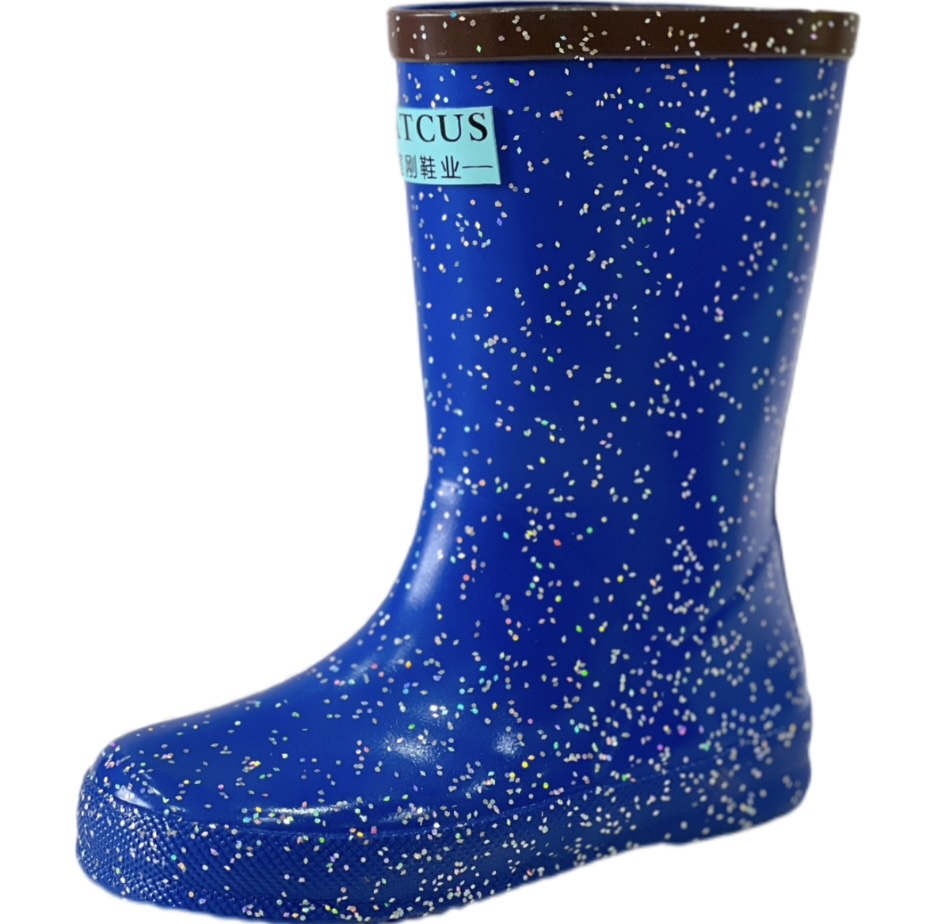
2. Product and Process Principle
Kid’s play boots rely on material composition and manufacturing methods to balance flexibility, waterproofing, and durability. Most casual kid fantasy boots use PVC or natural rubber compounds; PVC is valued for its low cost and consistent waterproofing, while natural rubber offers improved flexibility for active movement. Key structural features include seamless injection-molded soles, reinforced seams at the shaft, and lightweight lining materials to reduce foot fatigue.
Professional Rain Boot Manufacturer explains that injection molding, a common process for casual kid boots, bonds sole and upper material without needle-punched seams, reducing leak risks. The outsole tread pattern is calibrated for low-pressure movement on soft or damp surfaces, with a tread depth of 1.5 to 2mm suitable for playground and park use. Lining materials, typically microfiber or thin cotton blend, prioritize breathability to prevent overheating during extended play sessions.
3. Practical Solutions and Operation Steps
Selecting appropriate kid fantasy color boots requires aligning material and features to specific play needs, rather than focusing solely on vibrant designs. The following actionable steps help parents make informed choices without compromising safety or comfort.
- Measure foot size at the end of the day, when feet are slightly swollen, to ensure adequate wiggle room; leave approximately 0.5 to 1cm of space between toes and the boot’s toe cap for growing feet.
- Choose PVC or natural rubber based on play frequency: natural rubber offers better cold resistance for play in temperatures below 10°C, while PVC is more durable for frequent muddy play.
- Check outsole tread depth and pattern: select boots with shallow, wide treads for flat playgrounds, and deeper angled treads for uneven grassy trails.
- Test for flexibility: bend the boot shaft and sole to ensure it moves naturally, avoiding overly stiff boots that restrict jumping or running movements.
- Verify seam integrity: press along the upper-shaft connection to check for gaps, ensuring no exposed stitching that could scratch or tear during play.
4. Daily Maintenance and Precautions
Proper maintenance extends the lifespan of kid fantasy color boots and preserves their performance for outdoor play. Simple, consistent care practices prevent leaks, degradation, and discomfort, while avoiding common mistakes that can damage boot structure.
After each use, wipe the exterior with a damp cloth to remove mud, grass, or debris, paying extra attention to outsole treads and seam areas. Allow boots to air dry at room temperature, away from direct sunlight or space heaters, as extreme heat can cause PVC to warp or crack. For odor buildup, sprinkle a small amount of baking soda inside the boot before drying, then shake out residual powder thoroughly before next use.
Key precautions for kid play boots: do not use harsh solvents or bleach for cleaning, as these can break down rubber or PVC compounds. Avoid storing boots in a tightly enclosed space, such as a sealed tote, as trapped moisture can promote mold growth. Do not use kid fantasy color boots as substitutes for protective footwear during organized sports or heavy-duty outdoor work, as they lack impact-resistance features required for such activities.
5. Industry Standard and Parameter Reference
Kid’s play boots are not classified as safety footwear under strict occupational standards, but relevant voluntary guidelines ensure basic performance for casual outdoor use. The table below summarizes key parameters and reference standards to support informed selection.
ParameterRecommended ReferenceWhy It MattersSlip resistance (child play)EN ISO 20347:2022+A1:2024, casual footwear scopeEvaluates outsole grip on wet grass and damp playground surfaces to reduce falls.Material durability (PVC)ASTM D412-21, rubber and plastic tensile testingMeasures resistance to cracking after repeated bending, relevant for active child movement.Waterproof performanceISO 17706:2003, footwear water penetration testConfirms no water seepage through seams or material under moderate pressure, suitable for puddle play.Temperature resistanceISO 188:2011, rubber aging testingTests material flexibility at low temperatures, ensuring use in cool or lightly snowy conditions.
All test parameters are applied to casual play boots, not safety footwear or specialized work boots, to match the intended use for young children’s outdoor activities.
6. Customer Common FAQ
Q: Are kid fantasy color boots suitable for use in temperatures below 5°C?
A: This depends on material composition. Natural rubber boots retain flexibility at temperatures down to -10°C under ISO 188:2011 testing, making them suitable for cool play. PVC boots may stiffen in temperatures below 5°C, so they are better for milder conditions. Professional Rain Boot Manufacturer recommends checking material specifications for cold resistance if play occurs in freezing temperatures.
Q: How do I prevent blisters when wearing new kid boots for playtime?
A: Break in boots gradually by having your child wear them for short periods (30-60 minutes) over 3-5 days, rather than full days of play. Ensure boots have enough space for foot movement, as tight fitting is the primary cause of blisters during active play.
Q: Can I use regular household cleaners to wash my child’s play boots?
A: Mild dish soap mixed with warm water is safe for cleaning, but avoid strong solvents, bleach, or abrasive scouring pads. These can damage the waterproof seal and surface finish of kid fantasy color boots. Professional Rain Boot Manufacturer notes that gentle cleaning preserves material integrity longer.
Q: How often should kid’s play boots be replaced for optimal safety?
A: Replace boots if seams crack, the outsole becomes smooth and loses tread, or material becomes stiff or discolored. On average, casual play boots last 6-12 months with regular use, depending on play frequency and terrain conditions.
Conclusion
Selecting and maintaining kid fantasy color boots for outdoor playtime requires balancing vibrant design with functional performance and safety. By focusing on material suitability, proper sizing, and aligned maintenance practices, parents can choose boots that support comfortable, active play without common issues like leaks or slippage. Following industry standards for casual play footwear ensures basic performance for everyday outdoor use. Professional Rain Boot Manufacturer confirms that evidence-based selection and care extend boot lifespan while supporting children’s safe exploration.
References
- International Organization for Standardization. ISO 20347:2022+A1:2024: Occupational Footwear. 2024.
- International Organization for Standardization. ISO 17706:2003: Footwear - Test method for water penetration. 2003.
- American Society for Testing and Materials. ASTM D412-21: Standard Test Methods for Vulcanized Rubber and Thermoplastic Elastomers - Tension. 2021.
- International Organization for Standardization. ISO 188:2011: Rubber, vulcanized or thermoplastic - Accelerated ageing and heat resistance tests. 2011.