


Kids’ Latex Outdoor Play Boots: Complete Performance Pros, Limitations & Bulk Sourcing Checklist
Aug 13, 2026
View: 1
Leave a message
Meta Description: This article explores the performance, limitations, and bulk sourcing of kids' latex outdoor play boots. It's suitable for parents, retailers, and those interested in rain boots. Discover key information about these boots. Professional Rain Boot Manufacturer.
Keywords: Kid Latex Boots, rain boots, waterproof boots, rubber boots, bulk sourcing, performance, limitations, material selection
1. Core Problem Analysis
1.1 Common Causes of the Problem
When searching for kids' latex boots, common issues parents or buyers might face include:
- Size selection: Ensuring the boots fit the child's feet comfortably can be challenging. Latex boots that are too tight may restrict movement and cause discomfort, while those that are too large can lead to tripping hazards.
- Allergic reactions: Some children may be allergic to latex, which can cause skin rashes, itching, or more severe allergic responses.
- Durability: Kids are often active during outdoor play, and latex boots may be prone to wear and tear, such as punctures, tears, or stretching over time.
- Cleaning and maintenance: Keeping the boots clean and in good condition can be difficult, especially if dirt, mud, or other substances get trapped in the latex material.
- Performance in different weather conditions: Latex boots may not provide sufficient insulation in cold weather or may become slippery on wet surfaces, posing safety risks.
1.2 Affected Usage Scenarios
The use of kids' latex boots can be affected in the following scenarios:
- Outdoor play: Whether it's playing in the mud, puddles, or grass, kids' latex boots are commonly used during outdoor activities. However, the durability and performance of the boots may be tested in these environments.
- Rainy days: Latex boots are designed to keep feet dry in the rain. But if they are not properly sealed or if the material is damaged, water may seep in, making the child's feet wet.
- Cold weather: In cold temperatures, latex boots may not provide enough warmth, and the material may become stiff and less flexible, affecting the child's comfort and mobility.
- School or daycare: Kids may need to wear latex boots to school or daycare during wet weather. The boots should be easy to put on and take off, and they should not interfere with the child's ability to participate in school activities.
2. Product and Process Principle
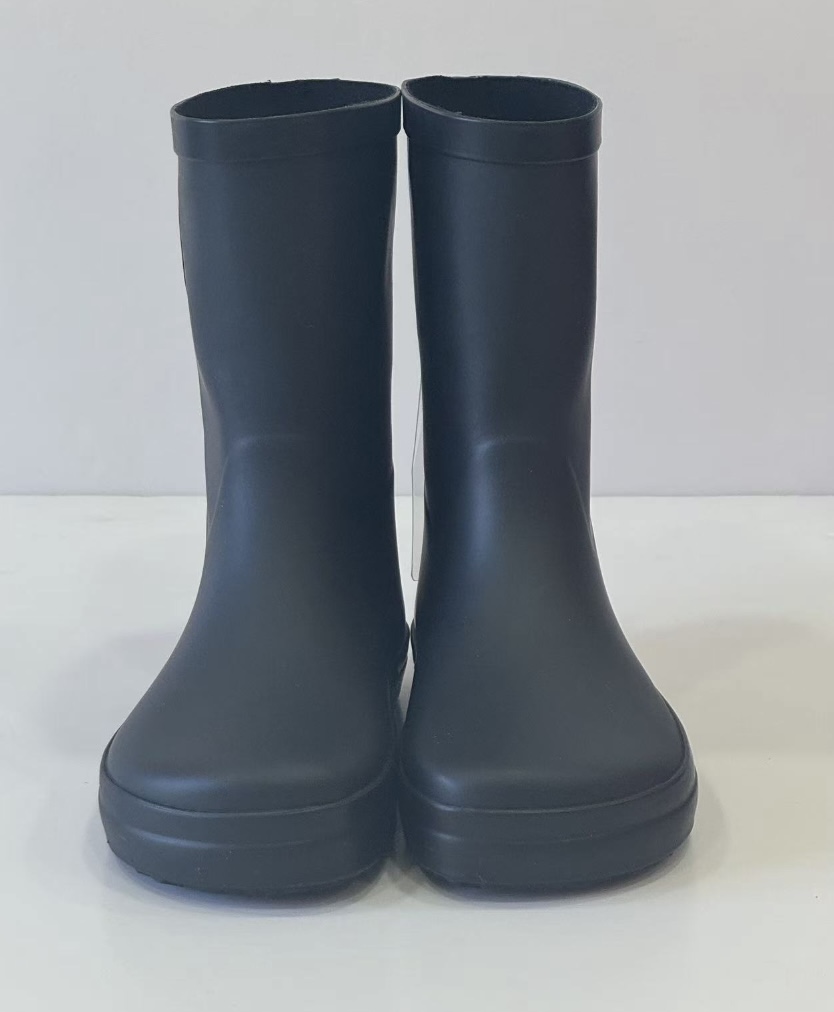
Most latex boots are crafted from natural latex sourced from rubber trees. This material is prized for its high elasticity and waterproof capabilities, making it an excellent choice for kids' outdoor play boots. The manufacturing process typically involves several key steps. First, the latex is harvested and then undergoes a purification process to remove impurities. Next, the purified latex is mixed with various additives to enhance its properties, such as durability, flexibility, and resistance to aging.
The boots are then formed using a dipping process. A mold in the shape of the boot is dipped into the latex solution multiple times, allowing layers of latex to build up on the mold. This creates a seamless and waterproof structure. After the dipping process, the boots are vulcanized, a heat - curing process that further strengthens the latex and improves its overall performance. A Professional Rain Boot Manufacturer carefully controls each step of this process to ensure the quality and consistency of the boots.
3. Practical Solutions and Operation Steps
- Material selection: If possible, opt for 100% natural latex boots, which are more breathable and have better elasticity. However, if your child has a latex allergy, consider alternative materials such as PVC or EVA.
- Size selection: Measure your child's feet accurately and refer to the size chart provided by the manufacturer. Choose boots with a little extra room in the toe area to allow for growth and comfortable movement.
- Design features: Look for boots with non - slip soles to ensure safety on wet or slippery surfaces. Consider boots with adjustable straps or buckles around the ankles for a more secure fit.
- Insulation: In colder weather, choose latex boots with a lining or insulation material to keep your child's feet warm. Wool or fleece linings are good options.
- Cleaning and maintenance: After each use, rinse the boots with clean water to remove dirt and mud. If necessary, use a mild soap to clean the boots, but avoid using harsh chemicals or solvents that can damage the latex. Allow the boots to air dry naturally.
- Storage: Store the boots in a cool, dry place away from direct sunlight and heat sources. Avoid folding or creasing the boots for long periods, as this can cause the latex to crack.
4. Daily Maintenance and Precautions
Proper daily maintenance is crucial to extend the lifespan of kids' latex boots. Here are some tips:
- Cleaning: As mentioned before, rinse the boots with water after use. For stubborn stains, use a soft brush or cloth to gently scrub the affected area. Avoid using abrasive materials that can scratch the latex surface.
- Drying: Never use a dryer or place the boots near a heater to dry them quickly. This can cause the latex to shrink or crack. Instead, let them air dry at room temperature.
- Odor removal: If the boots develop an odor, you can sprinkle baking soda inside them and let it sit overnight. Then, shake out the baking soda in the morning.
- Preventing aging: Keep the boots away from sunlight, as UV rays can accelerate the aging process of the latex. Also, avoid contact with sharp objects that can puncture or tear the boots.
- Storage: When not in use, store the boots in a well - ventilated area. You can stuff them with newspaper or a boot tree to help maintain their shape.
Here are some things to avoid:
- Do not expose the boots to high temperatures or direct sunlight for long periods, as this can cause the latex to become brittle and crack.
- Do not use strong solvents or chemicals to clean the boots, as they can damage the latex material.
- Do not force the boots onto a child's feet if they are too small. This can cause the boots to stretch or tear.
- Do not use regular latex boots in place of safety boots for high - risk activities. Safety boots are designed to meet specific standards and provide additional protection.
5. Industry Standard and Parameter Reference
Here is a table of some important parameters and their relevant standards for kids' latex boots:
ParameterRecommended ReferenceWhy It MattersSlip resistanceEN ISO 20344:2021 / EN ISO 20347:2022+A1:2024 where applicableHelps evaluate outsole grip on wet or contaminated surfaces, reducing the risk of slips and falls for kids during outdoor play.Occupational footwear requirementsISO 20347:2021 or EN ISO 20347:2022+A1:2024While kids' boots are not strictly for occupational use, these standards can provide a reference for general footwear quality and performance, such as material strength and comfort.Allergen contentThere are no specific international standards for latex allergen content in kids' boots yet, but manufacturers should ensure that the latex is processed to minimize potential allergens.Reduces the risk of allergic reactions in children who may be sensitive to latex.FlexibilityThere are no widely - recognized specific standards, but the boots should be flexible enough to allow natural foot movement for kids.Ensures that the boots do not restrict a child's movement during play, promoting comfort and safety.
6. Customer Common FAQ
Q: How can I tell if my child is allergic to latex boots?
A: Look for symptoms such as redness, itching, swelling, or a rash on the skin that comes into contact with the boots. In more severe cases, your child may experience difficulty breathing or other allergic reactions. If you suspect an allergy, consult a doctor. A Professional Rain Boot Manufacturer can also provide information on hypo - allergenic options.
Q: Are latex boots suitable for cold weather?
A: Regular latex boots may not be sufficient for extremely cold weather as they have limited insulation. However, you can look for latex boots with a warm lining, such as wool or fleece, to provide better warmth for your child's feet.
Q: How do I choose the right size of latex boots for my child?
A: Measure your child's feet accurately using a foot measuring device or a ruler. Then, refer to the size chart provided by the manufacturer. It's advisable to choose a size with a little extra room in the toe area to allow for growth.
Q: Can I clean latex boots in a washing machine?
A: It's not recommended to clean latex boots in a washing machine. The agitation and spinning can damage the latex material. Instead, rinse the boots with water and use a mild soap if necessary, then let them air dry.
Q: How long do latex boots usually last?
A: The lifespan of latex boots depends on factors such as frequency of use, the child's activity level, and how well they are maintained. With proper care, they can last for several months to a year or more.
Conclusion
This article has covered the core issues related to kids' latex outdoor play boots, including common problems, product and process principles, practical solutions, maintenance tips, industry standards, and common FAQs. By understanding the unique properties of latex and following the guidelines provided, parents and buyers can make informed decisions when selecting and using these boots. A Professional Rain Boot Manufacturer plays a vital role in ensuring the quality and safety of the boots, and by considering all these aspects, you can provide your child with a comfortable and reliable pair of outdoor boots.
References
- ISO 20344:2021, Footwear Test Methods
- EN ISO 20347:2022+A1:2024, Occupational Footwear
- ISO 20347:2021, Occupational Footwear