


Long-Distance Trail Riding Equestrian Rubber Boots: Comfort & Protective Functional Merits for Equestrian Shop Operators
Aug 13, 2026
View: 0
Leave a message
Meta Description: This blog delves into the core knowledge of equestrian rubber boots, including common problems, material and process principles, practical solutions, maintenance methods, industry standards, and frequently asked questions. It is suitable for equestrian shop operators and horse riding enthusiasts. Professional Rain Boot Manufacturer
Keywords: Equestrian Boots, Rubber Boots, Rain Boots, Waterproof Boots, Boot Maintenance, Boot Material, Equestrian Equipment
1. Core Problem Analysis
1.1 Common Causes of the Problem
When searching for equestrian boots, riders often face several issues. One of the main concerns is the fit. Ill-fitting boots can cause discomfort during long rides, leading to blisters and chafing. Another common problem is the durability of the boots. The constant friction and wear from horseback riding can cause the material to break down over time, especially in areas such as the soles and heels. Additionally, poor waterproofing can result in wet feet, which not only makes the ride uncomfortable but can also lead to foot problems. Some riders may also experience issues with the breathability of the boots, causing their feet to become sweaty and unpleasant.
1.2 Affected Usage Scenarios
The problems mentioned above affect various equestrian scenarios. For long-distance trail riding, discomfort and poor durability can be particularly problematic as riders spend extended periods in the saddle. In equestrian competitions, where performance is crucial, ill-fitting boots can affect a rider's balance and movement. During rainy weather, lack of waterproofing can make the ride unpleasant and potentially harmful to the feet. In stable work, such as cleaning stalls or grooming horses, boots that are not breathable can lead to discomfort and hygiene issues.
2. Product and Process Principle
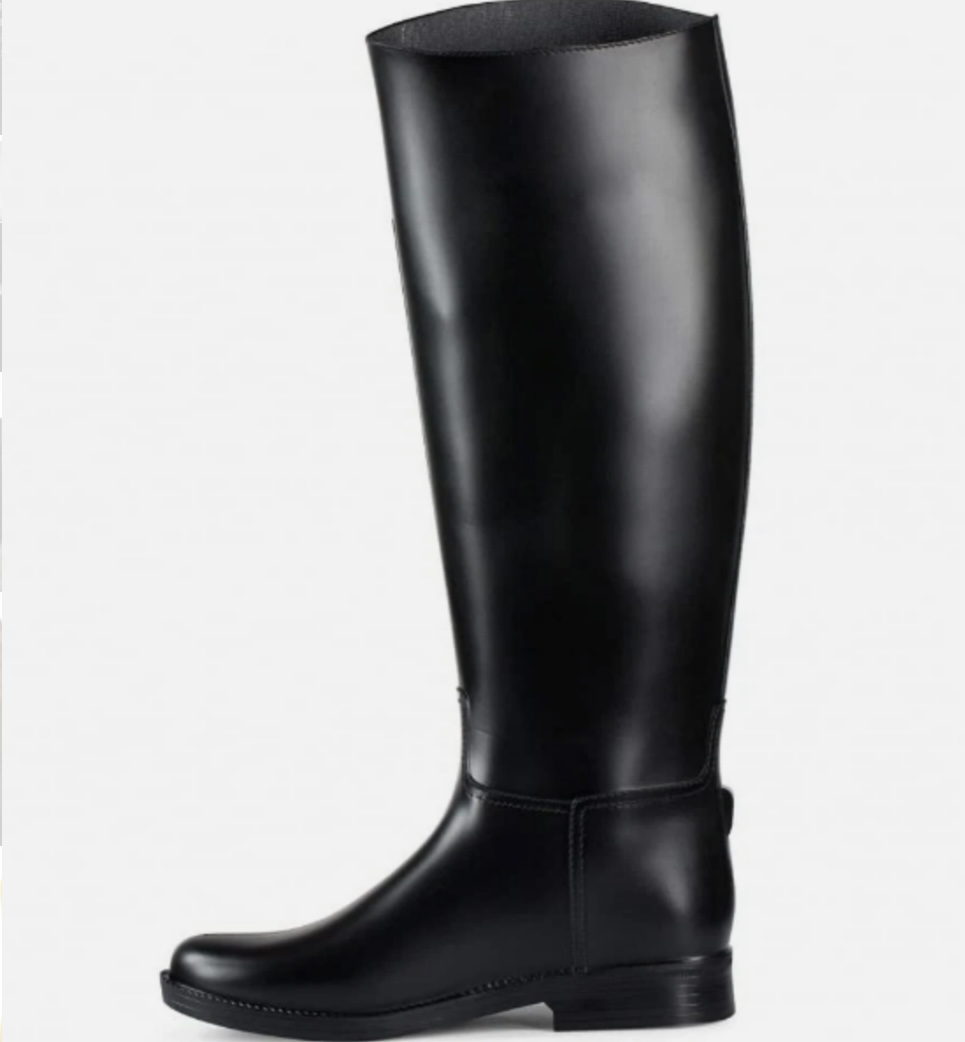
Equestrian rubber boots are typically made from various materials, each with its own set of properties. Rubber is a popular choice due to its waterproof and durable nature. It can withstand the harsh outdoor conditions and resist wear and tear. Other materials used in equestrian boots include PVC, EVA, and TPR. PVC is known for its low cost and good flexibility, while EVA offers lightweight and shock-absorbing properties. TPR provides a good balance between flexibility and durability.
The manufacturing process of equestrian boots involves several steps. Injection molding is a common method used to create the soles and other parts of the boots. This process involves injecting molten material into a mold, which then takes the shape of the boot. Vulcanization is another important process, especially for rubber boots. It involves treating the rubber with heat and sulfur to improve its strength and durability. Seam-free construction is also preferred in equestrian boots to reduce the risk of chafing and improve comfort.
A Professional Rain Boot Manufacturer understands the importance of using high-quality materials and advanced manufacturing processes to produce equestrian boots that meet the needs of riders. They carefully select the materials based on their properties and the specific requirements of the boots. The manufacturing process is closely monitored to ensure consistent quality and performance.
3. Practical Solutions and Operation Steps
When choosing equestrian boots, there are several factors to consider. First, make sure to measure your feet accurately to ensure a proper fit. Different brands and styles may have slightly different sizing, so it's important to try on the boots before purchasing. Look for boots with a good arch support and a comfortable sole to reduce fatigue during long rides.
- Material Selection: If you expect to ride in wet conditions frequently, rubber or PVC boots are a good choice due to their waterproof properties. For more lightweight and breathable options, consider EVA or TPR boots.
- Shaft Height: The shaft height of the boots is also important. Higher shafts can provide more support and protection, but they may be less comfortable for some riders. Choose a shaft height that suits your riding style and personal preference.
- Sole Pattern: A good sole pattern is essential for traction. Look for boots with deep grooves and a non-slip pattern to provide better grip on different surfaces.
- Linings: Breathable linings can help keep your feet dry and comfortable. Options such as moisture-wicking materials or Gore-Tex linings are recommended.
- Size and Fit: As mentioned earlier, proper sizing is crucial. Make sure there is enough room in the toe box for your toes to move freely, and the boots should fit snugly around the ankle without being too tight.
- Cleaning and Storage: To keep your boots in good condition, clean them regularly with a mild soap and water. Avoid using abrasive cleaners or solvents that can damage the material. After cleaning, dry the boots naturally and avoid exposing them to direct heat sources. When storing the boots, keep them in a cool, dry place and avoid folding or crushing them.
4. Daily Maintenance and Precautions
Proper daily maintenance of equestrian boots is essential to ensure their longevity and performance. Here are some tips for maintaining your boots:
- Cleaning: After each use, remove any dirt or debris from the boots using a soft brush or cloth. If the boots are particularly dirty, you can use a mild soap and water solution to clean them. Make sure to rinse the boots thoroughly and dry them completely before storing.
- Drying: Avoid drying the boots in direct sunlight or near a heat source, as this can cause the material to crack or shrink. Instead, let the boots dry naturally in a well-ventilated area.
- Conditioning: Depending on the material of the boots, you may need to condition them periodically to keep them supple and waterproof. Use a conditioner specifically designed for the type of material your boots are made of.
- Storage: Store the boots in a cool, dry place when not in use. Avoid storing them in a cramped space or under heavy objects, as this can cause the boots to lose their shape.
There are also some precautions to keep in mind when using equestrian boots. Do not use regular rain boots as a substitute for safety boots in situations where safety features are required. Avoid exposing the boots to sharp objects or abrasive surfaces that can damage the material. Additionally, do not use strong solvents or chemicals to clean the boots, as this can compromise their integrity.
5. Industry Standard and Parameter Reference
This section provides important industry standards and parameter references for equestrian boots:
ParameterRecommended ReferenceWhy It MattersSlip resistanceEN ISO 20344:2021 / EN ISO 20347:2022+A1:2024 where applicableHelps evaluate outsole grip on wet or contaminated surfaces.Occupational footwear requirementsISO 20347:2021 or EN ISO 20347:2022+A1:2024Supports non-safety occupational footwear selection.Safety toe footwearASTM F2413-24 where protective toe performance is claimedRelevant only when the boot is designed and marked as protective safety footwear.Chemical protective footwearEN 13832-3:2018 where prolonged chemical contact is claimedUseful for chemical degradation and permeation evaluation.
It is important to note that these standards and references are based on established international norms. When choosing equestrian boots, it is advisable to look for products that meet or exceed these standards to ensure maximum safety and performance.
6. Customer Common FAQ
Q: How do I choose the right material for equestrian boots?
A: The choice of material depends on your specific needs and usage scenarios. If you ride in wet conditions often, rubber or PVC boots are a good option for their waterproof properties. For more comfort and breathability, consider EVA or TPR boots. A Professional Rain Boot Manufacturer can provide more detailed guidance based on your requirements.
Q: How can I ensure the boots have good slip resistance?
A: Look for boots with a sole pattern that meets the EN ISO 20344:2021 or EN ISO 20347:2022+A1:2024 standards for slip resistance. The deeper the grooves and the better the non-slip pattern, the better the traction on different surfaces.
Q: What size of boots should I choose?
A: It is important to measure your feet accurately and refer to the sizing chart provided by the manufacturer. Different brands may have slightly different sizing, so it's best to try on the boots before purchasing to ensure a proper fit.
Q: How do I remove the odor from my boots?
A: You can try using a shoe deodorizer or placing a few dryer sheets inside the boots. Make sure to keep the boots well-ventilated and dry to prevent odor from building up.
Q: Can I wear my equestrian boots in cold weather?
A: It depends on the boots' insulation properties. Some boots are designed to be more suitable for cold weather, while others may not provide enough warmth. Look for boots with good insulation or consider wearing thick socks.
Conclusion
In conclusion, equestrian boots are an essential part of a rider's equipment. By understanding the common problems, material and process principles, practical solutions, maintenance methods, and industry standards, equestrian shop operators and riders can make informed decisions when choosing and using these boots. A Professional Rain Boot Manufacturer can provide valuable expertise and high-quality products to meet the diverse needs of the equestrian community.
References
- ISO 20344:2021, Footwear Test Methods
- EN ISO 20347:2022+A1:2024, Occupational Footwear
- ASTM F2413-24, Protective Footwear Specification
- EN 13832-3:2018, Chemical Protective Footwear