


Men Neoprene Boots: Ideal Wet Cold Work Footwear for Long Shifts
Oct 13, 2026
View: 0
Leave a message
Meta Description: Workers in long-hour wet and cold outdoor roles often face footwear issues like poor insulation, leaky seams, or inadequate grip. This guide breaks down key factors to select reliable neoprene boots, covering material benefits, use cases, maintenance, and industry standards to meet work demands. Professional Rain Boot Manufacturer.
Keywords: men neoprene boots, wet cold work boots, neoprene footwear, work boot selection, boot maintenance, occupational waterproof boots
1. Core Problem Analysis
1.1 Common Causes of the Problem
Workers seeking neoprene boots often encounter preventable issues during extended shifts: heat buildup from non-breathable linings, seam separation leading to water ingress, insufficient traction on muddy or icy surfaces, and material degradation from prolonged cold or chemical exposure. Many also struggle with sizing misalignment that causes blisters or restricted foot movement, as ill-fitting boots can amplify discomfort during long work hours.
1.2 Affected Usage Scenarios
These issues impact multiple outdoor occupational settings, including farming, livestock handling, commercial fishing, agricultural fieldwork, cold-storage warehouse operations, rainy construction site tasks, and wetland maintenance. Each scenario imposes unique demands: for example, livestock workers require boots resistant to manure and moisture, while fishing crews need consistent cold insulation for hours on open water.
2. Product and Process Principle
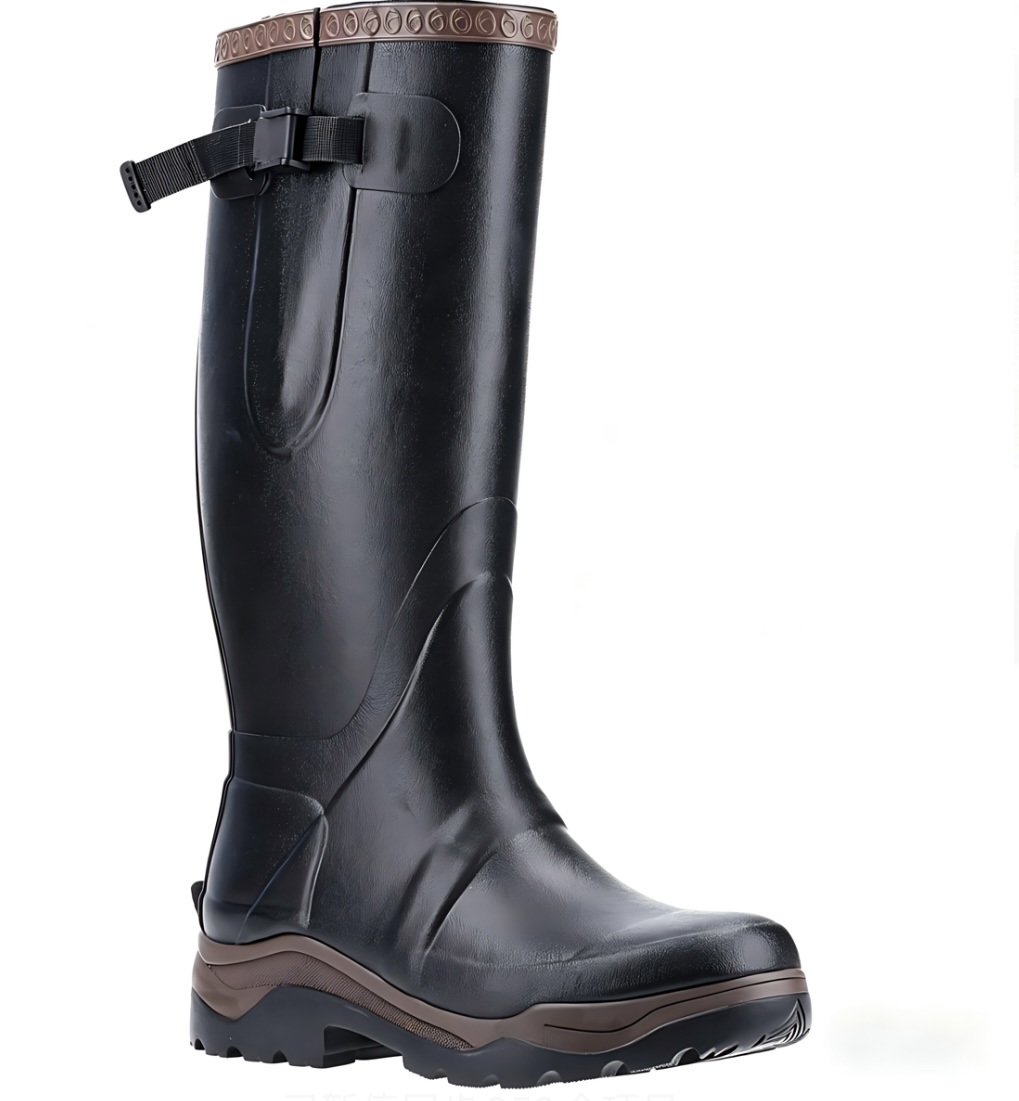
Neoprene boots differ from traditional PVC or rubber models due to their closed-cell foam structure, which provides inherent insulation and water resistance without requiring additional coating. The material’s chemical resistance also helps it withstand mild industrial fluids common in work settings. Professional Rain Boot Manufacturer notes that modern production uses seamless injection molding to eliminate weak seam points that often cause leaks in cheaper alternatives. Thickness control ranges from 3mm to 7mm, with higher thickness offering greater cold insulation for sub-zero environments.
Outsole design is equally critical: most work-focused neoprene boots use a rubber-compound outsole with deep lugs, engineered to channel water and mud away from the contact surface. Lining materials, often a thin breathable fabric, prevent sweat buildup while retaining neoprene’s insulation properties. Vulcanization processes, used in premium models, enhance material durability by cross-linking polymer molecules to resist tearing and stretching over time. [1]
3. Practical Solutions and Operation Steps
Selecting the right men neoprene boots involves aligning material properties, design features, and size with specific work requirements, following these actionable steps:
- Measure foot length and width at the end of a workday, as feet swell during long shifts, to avoid tight-fitting boots that cause fatigue.
- Match neoprene thickness to working conditions: 3mm for mild wet cool work (10°C to 15°C), 5mm for cold work (0°C to 10°C), and 7mm for sub-zero outdoor tasks below 0°C.
- Verify outsole grip compatibility: check for lug depth of at least 5mm for muddy surfaces, and a slip resistance rating aligned with site safety requirements.
- Choose seam-free construction for long shifts, as glued seam boots are more prone to water ingress after repeated flexing.
- Avoid lightweight neoprene boots for heavy manual labor, as lower density materials offer reduced structural support for uneven terrain.
4. Daily Maintenance and Precautions
Proper maintenance extends the lifespan of men neoprene boots, reducing replacement needs and performance issues. After each use in wet conditions, rinse the boots with clean water to remove mud, manure, or chemical residues that can degrade neoprene over time. Avoid soaking neoprene boots in strong detergents or bleach, as these can break down the closed-cell foam structure.
Dry boots at room temperature, away from direct sunlight or space heaters, as high heat can cause neoprene to shrink or lose insulation properties. For deodorizing, place crumpled newspaper inside the boots overnight to absorb moisture and odors, rather than using air fresheners that may damage the material. Never use neoprene boots as a substitute for certified chemical protective footwear or electrical hazard boots, as standard neoprene models do not meet specialized safety standards.
5. Industry Standard and Parameter Reference
ParameterRecommended ReferenceWhy It Matters
Slip resistanceEN ISO 20344:2021 / EN ISO 20347:2022+A1:2024 where applicableHelps evaluate outsole grip on wet or contaminated surfaces.
Occupational footwear requirementsISO 20347:2021 or EN ISO 20347:2022+A1:2024Supports non-safety occupational footwear selection for work use.
Cold insulation testingISO 20344:2021, Section 8: Thermal Insulation TestMeasures neoprene’s ability to retain heat in low-temperature environments.
Chemical resistanceEN 13832-1:2018, Category M (for mild chemicals)Indicates suitability for exposure to common work fluids like manure or mild cleaning agents.
Performance claims for neoprene boots should only be considered valid if backed by third-party testing aligned with these standards. For example, a boot marketed as "sub-zero insulation" must pass ISO 20344:2021 thermal tests to verify its ability to maintain foot temperature in cold conditions.
6. Customer Common FAQ
Q: Are neoprene boots suitable for use in extremely cold outdoor work?
A: Neoprene works well for sustained cold, but thickness matters. Models with 7mm neoprene are tested for use down to -20°C under ISO 20344 standards, while thinner 3mm models are best for cool (10°C to 15°C) wet work. Professional Rain Boot Manufacturer confirms that matching thickness to temperature avoids unnecessary bulk or insufficient insulation.
Q: How do I prevent neoprene boots from smelling after long use?
A: Rinse after each use, dry slowly indoors, and add crumpled newspaper inside to absorb moisture. Avoid storing boots in closed plastic bags, as trapped humidity encourages bacterial growth that causes odors.
Q: Can I use neoprene boots for work with chemicals or lubricants?
A: Standard neoprene resists mild chemicals like manure or water-based cleaning agents, but not strong solvents or harsh industrial fluids. If prolonged chemical contact is required, look for boots certified to EN 13832-3:2018 for chemical protective footwear.
Q: How often should neoprene boots be replaced?
A: Replacement depends on wear: if the outsole lugs wear flat, seams separate, or neoprene develops cracks, the boots lose water resistance and grip. For heavy daily work, replacement every 12 to 18 months is typical, based on industry usage data.
Conclusion
Men neoprene boots are a reliable choice for long hours in wet and cold outdoor work when selected for material thickness, construction quality, and slip resistance aligned with job demands. Key factors like seamless molding, proper sizing, and correct maintenance prevent common issues like leaks or heat buildup, while industry standards provide a framework for verifying performance. Professional Rain Boot Manufacturer notes that matching boot specifications to specific work environments ensures both comfort and durability during extended shifts.
References
- International Organization for Standardization. ISO 20344:2021, Footwear – Test methods for general footwear. Geneva: ISO, 2021.
- European Committee for Standardization. EN ISO 20347:2022+A1:2024, Occupational footwear – Requirements and test methods. Brussels: CEN, 2024.
- European Committee for Standardization. EN 13832-3:2018, Footwear for protection against chemicals – Part 3: Test method for resistance to permeation by chemicals. Brussels: CEN, 2018.