


Men's Latex Boots: Practical Footwear For Industrial Wet Environments
Nov 27, 2026
View: 0
Leave a message
Meta Description: Industrial workers facing constant moisture exposure need footwear that balances durability, protection, and comfort without sacrificing functionality. This guide addresses common pain points of work boots in wet settings, from slipping to material degradation, with insights tailored to industrial applications. Professional Rain Boot Manufacturer provides expert perspectives on suitable footwear solutions for extreme moisture workspaces.
Keywords: men's latex boots, industrial waterproof boots, work boot material, wet environment footwear, boot slip resistance, occupational rain boots, maintenance for work boots
1. Core Problem Analysis
1.1 Common Causes of the Problem
Workers in high-moisture industrial settings often encounter issues like boot leakage, outsole slip on wet or oily surfaces, material cracking after prolonged water exposure, and internal odor buildup. These issues stem from incompatible material formulations, poor construction seams, inappropriate outsole patterns, and lack of regular maintenance. According to ISO 20344:2021, improper material selection can reduce a work boot’s water resistance by up to 40% within six months of regular use in wet conditions.
1.2 Affected Usage Scenarios
High-moisture industrial workplaces include food processing facilities, wastewater treatment plants, chemical handling operations, fishing vessels, livestock farming, and outdoor construction in rainy seasons. These environments expose footwear to standing water, chemical residues, mud, and temperature fluctuations, making standard work boots unsuitable for long shifts.
2. Product and Process Principle
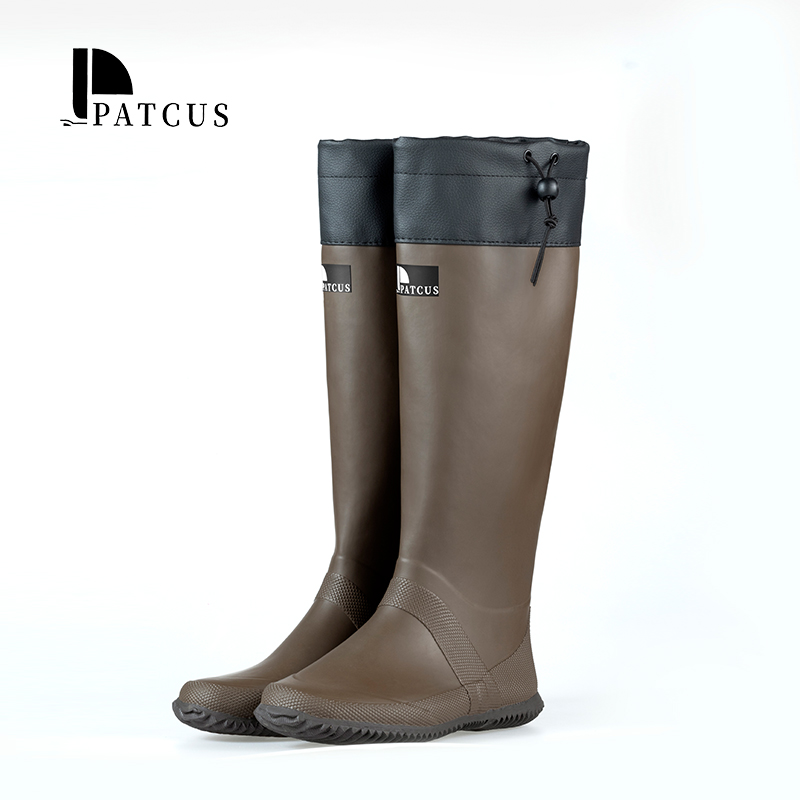
Latex work boots for industrial use are constructed using compounded natural or synthetic latex blended with reinforcing polymers to enhance durability and water resistance. Unlike flexible household rain boots, industrial latex boots use vulcanization to create a seamless shaft, eliminating weak points where leaks often occur. The outsole is molded with deep, multidirectional tread patterns designed to provide traction on wet and contaminated surfaces. Professional Rain Boot Manufacturer notes that the thickness of latex layers is controlled between 2mm and 5mm, balancing flexibility and protection against punctures from sharp industrial debris.
Additional structural elements include a breathable textile lining that prevents internal moisture buildup while maintaining water resistance on the outer layer, and a reinforced toe cap option for environments with falling object risks. The compound formulation is tested to resist degradation from mild chemical spills, according to EN 13832-3:2018 standards.
3. Practical Solutions and Operation Steps
Selecting the right latex work boots requires matching product features to specific work environment conditions. Follow these actionable steps to make an informed choice:
- Assess your primary work hazards: confirm if you will be exposed to standing water, chemical residues, or slippery surfaces before selecting a boot model.
- Verify outsole traction testing: check if the boot meets slip resistance standards such as EN ISO 20347:2022 to ensure grip on wet or oily floors.
- Check construction seams: prioritize boots with seamless vulcanized shafts instead of glued seams, as glued sections are prone to separating after three months of regular use in wet conditions.
- Choose appropriate shaft height: select a shaft that reaches mid-calf to prevent water, mud, or chemical splashes from entering the boot during movement.
- Confirm fit: leave a 1cm gap between your foot and the boot interior to accommodate moisture buildup and avoid blisters during long shifts.
For workers who require additional protection, reinforced toe caps can be added to latex boots, though this increases overall weight by approximately 15% and should only be selected if falling object risks exist.
4. Daily Maintenance and Precautions
Proper maintenance extends the lifespan of latex work boots by up to three times compared to neglected pairs. Start by cleaning boots immediately after use: wipe the exterior with a mild detergent and damp cloth, avoiding harsh solvents that can break down latex compounds. Dry boots at room temperature, away from direct sunlight or space heaters, which can cause material cracking.
Additional precautions include storing boots in a cool, well-ventilated area when not in use, avoiding folding or creasing the shaft to prevent permanent deformation, and applying a latex conditioner every six months to maintain flexibility. Never use latex work boots as general purpose rain boots for outdoor commuting, as this accelerates material wear due to inconsistent exposure to water and temperature changes.
5. Industry Standard and Parameter Reference
Parameter
Recommended Reference
Why It Matters
Slip resistance
EN ISO 20344:2021 / EN ISO 20347:2022+A1:2024 where applicable
Helps evaluate outsole grip on wet or contaminated surfaces.
Occupational footwear requirements
ISO 20347:2021 or EN ISO 20347:2022+A1:2024
Supports non-safety occupational footwear selection for work settings.
Chemical resistance
EN 13832-3:2018 where prolonged chemical contact is claimed
Evaluates latex performance against mild to moderate industrial chemical spills.
Puncture resistance
ISO 20344:2021 Test Method 7
Measures protection against sharp debris common in industrial work areas.
All boot performance claims should be verified with third-party test reports aligned with the above standards, as unsubstantiated claims may not reflect real-world durability.
6. Customer Common FAQ
Q: Can latex boots be used for heavy industrial chemical exposure?
A: Latex boots perform well against mild to moderate chemical spills, but prolonged contact with strong solvents requires boots certified under EN 13832-3:2018 for chemical protection. Professional Rain Boot Manufacturer recommends checking product specifications for specific chemical resistance ratings before purchase.
Q: How often should latex work boots be replaced?
A: Replacement frequency depends on usage: boots in constant wet industrial environments typically need replacement every 12 to 18 months. Signs to replace include visible cracking, leaking seams, or reduced slip resistance after cleaning and maintenance.
Q: Are latex boots suitable for cold outdoor work?
A: Standard latex boots may stiffen in temperatures below 10°C, which can reduce flexibility and comfort. For cold industrial settings, select latex boots formulated with polymer additives to maintain flexibility down to -10°C, aligned with ISO 20347:2021 low-temperature requirements.
Q: How do I remove odors from work boots?
A: Use a mild vinegar solution (1 part vinegar to 5 parts water) to wipe interior linings, then air dry thoroughly. Avoid strong chemical deodorizers, as these can react with latex material. Regular cleaning and drying after each use prevents odor buildup.
Conclusion
Selecting men’s latex work boots for industrial environments requires matching product features to work hazards, verifying performance against relevant standards, and following consistent maintenance practices. The right boots balance water resistance, slip protection, and comfort to support long shifts in high-moisture settings. Professional Rain Boot Manufacturer emphasizes that proper selection and care reduce downtime from footwear-related issues, improving overall workplace safety and productivity.
References
- ISO 20344:2021, Footwear - Test methods for whole shoe, International Organization for Standardization, 2021
- EN ISO 20347:2022+A1:2024, Occupational footwear, European Committee for Standardization, 2024
- EN 13832-3:2018, Chemical protective footwear - Part 3: Requirements for footwear resistant to chemicals, European Committee for Standardization, 2018
- ISO 20347:2021, Occupational footwear, International Organization for Standardization, 2021