


Men Waterproof Latex Boots For 12-Hour Shifts In Flooded Construction And Spill Zones
Oct 14, 2026
View: 0
Leave a message
Meta Description: Choosing proper footwear for long shifts in hazardous work environments is critical for comfort, safety, and durability. This guide covers key considerations for selecting men waterproof latex boots, suitable for prolonged exposure to water and contaminants in construction or chemical spill zones, and Professional Rain Boot Manufacturer insights help standardize selection for industrial use.
Keywords: men waterproof latex boots, industrial waterproof boots, work boot selection, boot material principles, work boot maintenance, occupational footwear standards
1. Core Problem Analysis
1.1 Common Causes of the Problem
Workers in flooded construction sites or chemical spill zones often face issues like water seepage through seams, material degradation from harsh chemicals, insufficient traction on wet surfaces, and rapid material breakdown from prolonged use. Many generic boots fail to meet the specific demands of 12-hour shifts, leading to discomfort, reduced mobility, and potential safety risks.
1.2 Affected Usage Scenarios
These scenarios include flooded construction sites, chemical spill response zones, industrial cleaning tasks, and other environments where workers are exposed to standing water, corrosive substances, slippery surfaces, and heavy physical labor over extended periods. Each of these settings presents unique challenges that standard footwear cannot address.
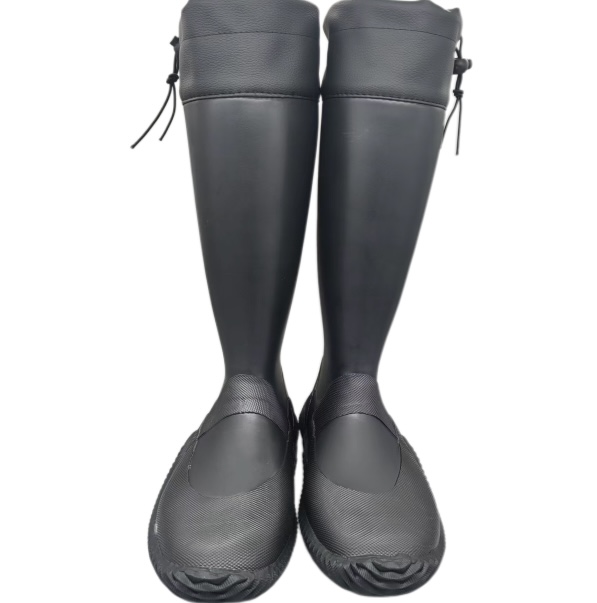
2. Product and Process Principle
Waterproof latex boots rely on the material properties of natural or synthetic latex, a flexible polymer that resists water penetration and many mild chemical contaminants when processed correctly. Manufacturing processes include seamless molding, which eliminates weak points where water could seep through, and controlled thickness to balance flexibility and durability. Professional Rain Boot Manufacturer expertise ensures compound formulations are optimized for industrial use, addressing both waterproofing and resistance to common workplace chemicals.
Key process elements include injection molding for consistent shape, controlled curing to enhance material strength, and sealant application at stress points. Unlike PVC boots, latex boots offer better flexibility at lower temperatures, making them suitable for work in cool or damp environments. Seam-free construction is a critical design feature that prevents water ingress, as stitched seams are common failure points in standard work boots.
3. Practical Solutions and Operation Steps
Selecting appropriate waterproof latex boots requires matching material properties to the specific work environment, as well as verifying design features that support long shifts and safety. The following steps provide actionable guidance for industrial users:
- Assess work environment hazards: Confirm if exposure is limited to water or includes mild chemical splashes, to select latex compounds with appropriate resistance
- Verify construction type: Choose seamless molded designs to eliminate water seepage points
- Evaluate outsole pattern: Select tread patterns optimized for wet or slippery surfaces, following slip resistance standards
- Check shaft height: Ensure the shaft reaches a height that covers lower legs, to prevent water or contaminants from entering during movement
- Test fit for long shifts: Select boots with a roomy toe box to accommodate foot swelling during 12-hour shifts, while maintaining a secure fit to avoid blisters
Additionally, confirm that the boots meet relevant occupational footwear standards to ensure they align with safety requirements for industrial use.
4. Daily Maintenance and Precautions
Proper maintenance extends the lifespan of waterproof latex boots and preserves their performance for hazardous environments. After each use, clean the boots with mild soap and warm water, avoiding strong solvents that can degrade latex material. Rinse thoroughly to remove any residues of chemicals, mud, or construction debris that can cause material breakdown over time.
Dry boots away from direct sunlight or high heat sources, as extreme temperatures can cause latex to become brittle or crack. Store boots in a cool, dry area, and avoid folding or compressing them for long periods to maintain their shape. Critical precautions include never using standard rain boots as a substitute for chemical-resistant safety footwear, and repairing any small cuts or punctures promptly with appropriate latex sealant to maintain waterproofing.
5. Industry Standard and Parameter Reference
Occupational waterproof work boots must meet specific international standards to ensure reliability in hazardous conditions. The following table summarizes key standards and their relevance to work in flooded sites or spill zones:
ParameterRecommended ReferenceWhy It Matters
Slip resistanceEN ISO 20344:2021 / EN ISO 20347:2022+A1:2024 where applicableHelps evaluate outsole grip on wet or contaminated surfaces, reducing fall risk
Occupational footwear requirementsISO 20347:2021 or EN ISO 20347:2022+A1:2024Supports non-safety occupational footwear selection for general work environments
Safety toe footwearASTM F2413-24 where protective toe performance is claimedRelevant only when the boot is designed and marked as protective safety footwear for impact resistance
Chemical protective footwearEN 13832-3:2018 where prolonged chemical contact is claimedUseful for evaluating latex resistance to chemical permeation and degradation
Performance testing for these standards uses standardized methods to assess waterproofing, slip resistance, and material durability, providing objective benchmarks for boot selection.
6. Customer Common FAQ
Q: Are waterproof latex boots suitable for 12-hour shifts in flooded construction sites?
A: When selected for seamless construction and formulated for industrial use, latex boots can support long shifts, as their flexible material reduces foot fatigue and resists water penetration. Professional Rain Boot Manufacturer recommendations help match boot specifications to 12-hour work demands.
Q: How do I clean latex boots exposed to mild chemicals?
A: Use mild soap and warm water to remove chemical residues, avoiding harsh solvents. Rinse thoroughly and dry away from heat sources to prevent material degradation.
Q: Can I use standard waterproof latex boots for chemical spill response zones?
A: Only boots designed and tested for chemical resistance (meeting EN 13832-3:2018 for relevant chemicals) are suitable for spill zones; standard boots may not resist prolonged chemical contact.
Q: How should I store boots when not in use?
A: Store boots in a cool, dry area away from direct sunlight. Avoid folding or compressing them, and clean them before long-term storage to remove debris that can damage material.
Q: Do latex boots offer sufficient traction on wet surfaces?
A: Traction depends on outsole design and tread pattern. Select boots that meet EN ISO 20347 standards for slip resistance for wet construction or spill environments.
Conclusion
Selecting men waterproof latex boots for long shifts in hazardous work environments requires matching material properties, design features, and standards to specific job demands. Seamless construction, appropriate chemical resistance, and compliance with occupational footwear standards are critical for safety and durability. Professional Rain Boot Manufacturer input ensures these boots are optimized for industrial use, addressing common pain points like water seepage and traction while supporting worker comfort over extended shifts.
References
- ISO 20347:2021, Occupational protective footwear - Requirements, International Organization for Standardization, 2021
- EN ISO 20344:2021, Personal protective equipment - Test methods for footwear, European Committee for Standardization, 2021
- EN 13832-3:2018, Chemical protective footwear - Part 3: Requirements for footwear resistant to chemicals, European Committee for Standardization, 2018
- ASTM F2413-24, Standard Specification for Performance Requirements for Foot Protection, ASTM International, 2024