


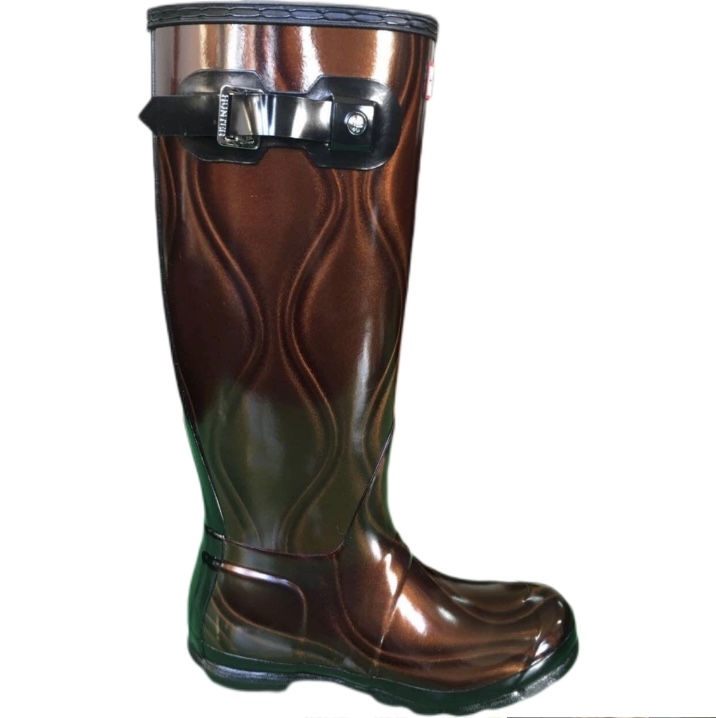
Patcus Men’s 3D Pattern Non Slip Rain Boots For Wet Commute & Worksite Safety
Oct 16, 2026
View: 0
Leave a message
Meta Description: Understanding how rain boot design addresses slippery worksite and commute conditions helps workers and daily commuters avoid slips and related injuries. This guide covers core design factors, material science, usage scenarios, and maintenance for proper rain boot selection. Professional Rain Boot Manufacturer draws on industry standards to outline key considerations for durable, functional footwear.
Keywords: men’s non slip rain boots, worksite rain boots, wet commute footwear, 3D pattern rain boots, rubber rain boot materials, rain boot maintenance, occupational footwear standards
1. Core Problem Analysis
1.1 Common Causes of the Problem
Many users face issues with rain boots failing to perform as intended due to a combination of design flaws, incorrect material selection, and mismatched features for the intended environment. The most frequent problems include insufficient slip resistance on wet or contaminated surfaces, poor water retention, stiff or uncomfortable materials that limit movement, and rapid wear of outsole patterns that compromise grip over time. Another common issue is bulk or heat retention, leading to discomfort during extended wear.
1.2 Affected Usage Scenarios
These performance gaps impact a wide range of environments where slip resistance and waterproofing are critical. Common scenarios include outdoor construction worksites, wet pavement daily commuting, warehouse cleaning operations, agricultural work in muddy or damp conditions, and outdoor maintenance tasks in rainy weather. Each scenario has unique demands: worksites often require prolonged standing on damp or oil-contaminated surfaces, while daily commutes may involve frequent transitions between dry indoor spaces and rainy outdoor streets.
2. Product and Process Principle
The functionality of rain boots relies on three core elements: material compound formulation, outsole pattern design, and construction method. For waterproof rubber rain boots, the material is typically formulated from natural rubber, synthetic rubber, or a blend optimized for flexibility, water resistance, and durability. Outsole patterns, like the 3D pattern featured in the relevant design, are engineered to channel water, mud, or debris away from contact points between the boot and the surface, increasing the friction coefficient.
Injection molding is a common production process for mid-range to high-volume rain boots, creating seamless upper structures that minimize potential leak points at seams. Thickness control is another critical factor: appropriate upper shaft thickness prevents tearing while maintaining flexibility, while outsole thickness balances cushioning, grip, and resistance to wear. Professional Rain Boot Manufacturer understands how material and process choices directly translate to real-world performance, rather than focusing on superficial design elements.
3. Practical Solutions and Operation Steps
Selecting the right rain boots for slippery worksite and commute conditions requires a structured approach that aligns features with specific needs. First, identify the primary use case: if the boot will be used for construction worksites, prioritize outsole slip resistance ratings per relevant standards, while for daily commuting, focus on lightweight design and easy on/off functionality.
- Step 1: Verify slip resistance performance by checking compliance with EN ISO 20347:2022+A1:2024 for non-safety occupational footwear, which provides standardized testing for grip on wet surfaces.
- Step 2: Match shaft height to the environment: taller shafts are suitable for deep mud or standing water, while shorter shafts work well for urban commuting where maneuverability is key.
- Step 3: Test flexibility by bending the boot; a boot that folds easily at the ball of the foot will provide better comfort during extended wear without sacrificing support.
- Step 4: Check material composition: rubber blends with high natural rubber content offer better cold-weather flexibility than pure PVC, though PVC is more resistant to many chemicals.
- Step 5: Confirm sizing with appropriate allowances for thick socks or orthotic inserts, which is particularly important for worksite wear that requires extended on-foot time.
It is critical to note that while a rain boot may perform well on smooth wet pavement, it may not be suitable for rough, uneven worksite surfaces that require additional outsole durability, and vice versa. Always match boot features to the exact conditions of the intended use to avoid performance gaps.
4. Daily Maintenance and Precautions
Proper maintenance extends the lifespan and performance of rain boots, especially for those used in demanding worksite or commute settings. After each use, clean the boot with mild soap and warm water to remove mud, salt, or chemical residue that can degrade rubber compounds over time. Avoid using harsh solvents or abrasive cleaners, as these can break down the material’s waterproofing properties and outsole grip.
When drying, never expose rain boots to direct sunlight or high heat sources such as radiators or car interiors, as this can cause the rubber to become brittle and crack. Instead, air dry them in a cool, well-ventilated area, and insert crumpled paper towels or boot trees to maintain shape and speed up moisture absorption. For long-term storage, clean the boots thoroughly, dry them completely, and store them in a cool, dry place away from sharp objects that can puncture the rubber.
Key precautions to avoid: do not use rain boots for purposes beyond their intended design, such as using general rain boots as protective work boots for heavy machinery or chemical exposure, which requires compliance with specific safety standards. Do not ignore early signs of wear, such as cracks in the outsole or upper shaft, as these can lead to water intrusion and reduced slip resistance over time.
5. Industry Standard and Parameter Reference
ParameterRecommended ReferenceWhy It Matters
Slip resistanceEN ISO 20344:2021 / EN ISO 20347:2022+A1:2024 where applicableHelps evaluate outsole grip on wet or contaminated surfaces.
Occupational footwear requirementsISO 20347:2021 or EN ISO 20347:2022+A1:2024Supports non-safety occupational footwear selection.
Shaft material durabilityISO 20344:2021, Section 5.12 Flexing TestTests resistance to repeated bending, critical for long-term wear comfort.
Waterproof performanceEN ISO 20344:2021, Section 5.8 Water PenetrationVerifies ability to prevent water entry during extended exposure to wet conditions.
Chemical resistanceEN 13832-3:2018 where prolonged chemical contact is claimedUseful for chemical degradation and permeation evaluation.
All performance evaluations should rely on standardized test methods rather than unsubstantiated claims from manufacturers. When assessing slip resistance, for example, testing under EN ISO 20347:2022+A1:2024 provides a consistent, third-party verified measure of performance that applies to both worksite and urban commute conditions. Always cross-check boot specifications against relevant standards to ensure they meet the needs of the intended use.
6. Customer Common FAQ
Q: How do I know if a rain boot’s 3D pattern is effective for slippery surfaces?
A: The effectiveness of a 3D outsole pattern depends on two factors: the depth and spacing of the lugs, and the material’s friction properties. For wet surfaces, deeper lugs (at least 4mm) help channel water away from the contact point, while wider spacing prevents mud buildup that can reduce grip. Professional Rain Boot Manufacturer notes that patterns designed to cover both longitudinal and lateral contact points offer better performance across different movement directions, which is important for worksite tasks that require walking in multiple directions.
Q: Are rubber rain boots more durable than PVC rain boots for worksite use?
A: It depends on the specific conditions. Natural rubber blends offer better flexibility in cold temperatures and resistance to tearing from sharp surfaces, while PVC is more resistant to many common workplace chemicals. For worksites with sharp debris and fluctuating temperatures, rubber blends are often preferred, but for environments with frequent chemical exposure, PVC or specialized chemical-resistant blends may be more suitable. Always match material to the specific hazards of your worksite.
Q: Can I wear rain boots in snowy or icy conditions?
A: General-purpose rain boots are not optimized for extreme cold or icy surfaces, as their material may stiffen at sub-zero temperatures, reducing flexibility and grip. If you need boots for cold, snowy conditions, look for models designed with cold-resistant rubber compounds that retain flexibility at low temperatures, and check slip resistance ratings against standards for cold-weather performance where available. For icy surfaces, additional traction devices like ice cleats may be necessary, even for well-designed rain boots.
Q: How often should I replace my rain boots for optimal performance?
A: Replacement frequency depends on usage intensity and maintenance. For worksite use, inspect boots every 1-2 months for signs of wear such as outsole smoothness, cracks in the upper shaft, or loose stitching. For daily commute use, inspect every 6 months. If outsole lugs are worn down to less than 2mm or if water penetrates the boot during use, it is time to replace them, as these issues significantly reduce slip resistance and waterproofing.
Conclusion
Selecting and maintaining rain boots for slippery worksite and commute conditions requires attention to material, outsole design, standard compliance, and regular care. By focusing on standardized test results rather than marketing claims, users can choose boots that meet their specific needs for slip resistance, comfort, and durability. Professional Rain Boot Manufacturer emphasizes that proper boot selection directly reduces injury risk and improves overall performance in wet environments. Following practical maintenance steps ensures boots remain functional for their intended lifespan, providing reliable protection through both worksite tasks and daily commute trips.
References
- International Organization for Standardization. ISO 20347:2021, Occupational Footwear. Geneva: ISO, 2021.
- International Organization for Standardization. ISO 20344:2021, Footwear - Test Methods for Footwear. Geneva: ISO, 2021.
- CEN. EN ISO 13832-3:2018, Footwear for protection against chemicals - Part 3: Requirements for chemical protective footwear for use in industry. Brussels: CEN, 2018.
- American Society for Testing and Materials. ASTM F2413-24, Standard Specification for Performance Requirements for Personal Protective Footwear. West Conshohocken, PA: ASTM International, 2024.