


Performance‑Driven Benefits of Waterproof Latex Kids’ Boots for Outside Play
Aug 13, 2026
View: 0
Leave a message
Meta Description: This article delves into the world of waterproof kid latex boots, analyzing common problems, product principles, and offering practical solutions. It's ideal for parents and those interested in kids' outdoor gear. A Professional Rain Boot Manufacturer can provide in - depth knowledge in this field.
Keywords: Waterproof kid latex boots, Rain boots material, Boot maintenance, Boot selection, Kids outdoor play
1. Core Problem Analysis
1.1 Common Causes of the Problem
When it comes to waterproof kid latex boots, several issues can trouble users. One of the main problems is the sizing. Since kids' feet grow quickly, choosing the right size can be challenging. If the boots are too small, they may restrict the child's foot development and cause discomfort, blisters, or even affect blood circulation. On the other hand, if the boots are too large, they increase the risk of tripping and do not provide proper ankle support.
Another issue is the durability of latex. Although latex is known for its elasticity and waterproofness, it can be susceptible to damage from sharp objects. Kids are usually active during outdoor play, and reckless actions might lead to scratches or punctures on the boots, thus undermining their waterproof performance. Also, exposure to extreme temperatures can cause latex to age prematurely, becoming brittle and more likely to crack.
Additionally, the slipperiness of the sole is a concern. Outdoor surfaces like wet grass, muddy paths, or wet stones are common in kids' play areas. If the sole of the boots does not have sufficient grip, it raises the fall risk, which can result in injuries.
1.2 Affected Usage Scenarios
These issues can have a significant impact on various usage scenarios. For instance, in gardening activities, kids might encounter sharp stones, twigs, or gardening tools, which can easily damage the latex boots. The uneven and muddy soil can also exacerbate the slipperiness problem if the boots are not well - designed.
During rainy days, latex boots are expected to keep children's feet dry. However, if there are sizing issues or punctures, water can seep into the boots, leaving their feet wet and cold, which can lead to discomfort and potential health problems.
When kids are playing near a pond or stream, the risk of slipping is high due to the wet and slippery ground. The boots need to provide good traction to prevent falls into the water. Moreover, the boots may be exposed to water for an extended period, and their waterproof performance is crucial.
2. Product and Process Principle
Waterproof kid latex boots are typically made from natural latex, which is collected from rubber trees. The latex has excellent elasticity and waterproof properties due to its molecular structure. The long - chain polymer molecules in latex are cross - linked, creating a dense and continuous network that prevents water from passing through.
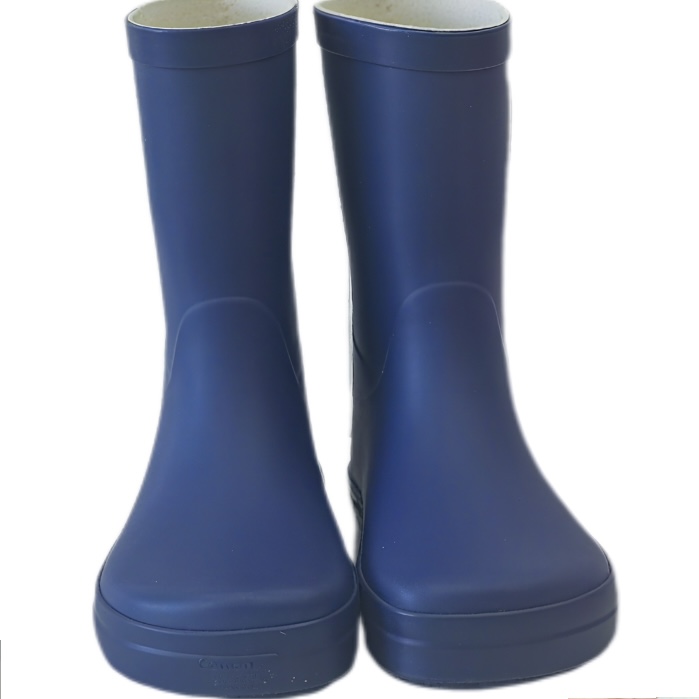
To manufacture these boots, the process often starts with dipping a mold with the shape of a foot into a latex solution. This dipping process needs to be carefully controlled to ensure an even thickness of the latex layer on the mold. After dipping, the mold is then dried and cured. Curing is a crucial step where the latex is heated or chemically treated to strengthen its structure and improve its durability.
For the sole, a different type of rubber or a special compound may be used to enhance the grip. The sole is usually designed with specific patterns, such as deep grooves and raised treads. These patterns help to disperse water and increase friction on wet or slippery surfaces. A Professional Rain Boot Manufacturer will ensure that the production process adheres to relevant standards and uses high - quality materials to guarantee the performance of the boots.
3. Practical Solutions and Operation Steps
Size Selection: Measure your child's feet regularly. Let the child stand on a piece of paper, mark the back of the heel and the tip of the longest toe, and measure the distance between the two marks. Then, add about 1 - 1.5 cm to this measurement to account for the growth space and the thickness of the socks. It's also advisable to measure both feet and use the larger measurement as the reference.
Material Inspection: Check the quality of the latex when purchasing. Look for any signs of uneven thickness, bubbles, or impurities on the surface of the boots. In addition, examine the sole closely. The sole material should be flexible yet firm, and the pattern should be clear and deep enough to provide good traction.
Usage Precautions: Teach your child to avoid walking on sharp objects to prevent puncturing the boots. If the boots get dirty, clean them promptly using mild soap and water. Do not use harsh chemicals as they can damage the latex.
Traction Enhancement: If you find that the sole of the boots does not have enough grip initially, you can choose to add anti - slip pads on the sole. These pads are available in various sizes and can be easily attached to the bottom of the boots.
4. Daily Maintenance and Precautions
Cleaning: After each use, use a soft cloth or sponge to wipe off dirt and debris on the boots. Mix a small amount of mild soap with water, and gently scrub the boots with the soapy water. Then, rinse them thoroughly with clean water to remove all the soap residues.
Drying: Allow the boots to air - dry naturally in a well - ventilated area away from direct sunlight and heat sources. Do not use a heater or hair dryer to speed up the drying process, as high temperatures can cause the latex to shrink, harden, or crack.
Odor Removal: If the boots develop an odor, you can place a small amount of baking soda inside them overnight. Baking soda can absorb moisture and odors. After that, shake out the baking soda in the morning.
Anti - aging and Anti - deformation: Store the boots in a cool, dry place. Avoid folding or squeezing the boots, as this may cause permanent deformation. You can stuff the boots with tissue paper or a shoe tree to help them maintain their shape.
Chemical Contact: If the boots come into contact with chemicals, rinse them immediately with a large amount of water. Some chemicals can react with latex and cause damage. Also, do not expose the boots to oil - based substances, as they can dissolve the latex over time.
It's important to note some common mistakes to avoid. Do not leave the boots in direct sunlight for a long time, as it will accelerate the aging of the latex. Do not place the boots near a fire or other high - temperature sources, as this can cause the rubber to melt or catch fire. Do not use strong solvents such as acetone or gasoline to clean the boots, as they can completely destroy the latex structure. And never use these ordinary latex boots as safety boots in industrial or high - risk situations.
5. Industry Standard and Parameter Reference
Here is a table of some important industry standards and parameter references for waterproof kid latex boots:
ParameterRecommended ReferenceWhy It MattersSlip resistanceEN ISO 20344:2021 / EN ISO 20347:2022+A1:2024 where applicableHelps evaluate outsole grip on wet or contaminated surfaces, reducing the risk of slips and falls for kids during outdoor play.Occupational footwear requirements (though used for kids, basic materials and safety concepts apply)ISO 20347:2021 or EN ISO 20347:2022+A1:2024Supports non - safety occupational footwear selection. For kids' boots, it ensures basic material quality, such as proper elasticity and toughness of the latex.Chemical protective footwear (relevant when considering exposure to some substances in outdoor settings)EN 13832 - 3:2018 where prolonged chemical contact is claimedUseful for chemical degradation and permeation evaluation. It helps ensure that the boots can withstand some chemical exposures without significant damage.
6. Customer Common FAQ
Q: Why is latex better than PVC for kids' waterproof boots?
A: Latex is more elastic than PVC, which allows for a better fit and more comfortable movement for kids' active feet. It is also a natural material, which is usually more breathable and less likely to cause skin irritation compared to PVC. Moreover, latex has excellent waterproof properties. A Professional Rain Boot Manufacturer can provide high - quality latex boots with these advantages.
Q: How can I tell if the boots have good slip - resistance?
A: Look for boots with deep and well - designed sole patterns. According to industry standards like EN ISO 20344:2021, a good - quality slip - resistant sole should have a certain wet - state friction coefficient. You can also test the boots on a wet surface carefully, but make sure to ensure your child's safety during the test.
Q: What should I do if the boots develop a small hole?
A: You can use a latex repair kit. These kits usually come with a latex solution and an applicator. First, clean the area around the hole, then apply the latex solution according to the kit's instructions. Let it dry completely. However, if the hole is large, it may be better to replace the boots.
Q: Are latex boots suitable for cold weather?
A: Latex boots can be used in cold weather to a certain extent. But in extremely cold temperatures, latex may become less flexible and more prone to cracking. If you plan to use them in cold weather, make sure your child wears thick socks and avoid long - term exposure to very low temperatures.
Q: How often should I replace my child's latex boots?
A: This depends on how often the boots are used and the growth rate of your child's feet. Generally, if your child outgrows the boots or if the boots show significant damage such as large cracks or holes, it's time to replace them. Regularly check the condition of the boots to ensure the safety and comfort of your child.
Conclusion
To sum up, waterproof kid latex boots are an essential piece of gear for kids' outdoor play. When faced with common problems such as sizing, durability, and slip - resistance, understanding the product and process principles can help us make better choices. Practical solutions and proper daily maintenance can extend the service life of the boots. Referring to industry standards, we can ensure the quality of the boots. A Professional Rain Boot Manufacturer can offer professional advice and high - quality products in this regard.
References
- EN ISO 20344:2021, Footwear Test Methods
- EN ISO 20347:2022+A1:2024, Occupational Footwear
- EN 13832 - 3:2018, Chemical Protective Footwear