


Protective Features of Steel‑Toe Anti‑Smash Work Boots for Construction‑Site Risk Mitigation
Aug 14, 2026
View: 0
Leave a message
Meta Description: This article delves into the protective features of steel-toe anti-smash work boots, exploring their importance in reducing construction site risks. It covers the causes of potential problems, affected scenarios, product and process principles, practical solutions, maintenance tips, industry standards, and answers common questions. Professional Rain Boot Manufacturer offers in-depth insights for those seeking knowledge about work boots.
Keywords: steel toe anti-smash work boots, construction site, protective features, work boot materials, work boot maintenance
1. Core Problem Analysis
1.1 Common Causes of the Problem
When searching for steel-toe anti-smash work boots, users often aim to address several key issues. One of the primary concerns is foot safety. In construction sites and other industrial environments, heavy objects may accidentally fall on the feet, which can cause serious injuries such as fractures or crush wounds. Steel-toe caps are designed to withstand these impacts and protect the toes. Another issue is the risk of punctures. Sharp objects like nails or metal fragments on the ground can pierce through regular boots, while anti-smash work boots usually have puncture-resistant soles and uppers. Additionally, comfort is also a significant consideration. Long working hours in uncomfortable boots can lead to foot fatigue, pain, and even long-term foot problems. Therefore, factors such as proper cushioning, arch support, and breathability are important for users.
1.2 Affected Usage Scenarios
The use of steel-toe anti-smash work boots is mainly relevant in high-risk environments. Construction sites are the most obvious scenario, where workers are constantly exposed to heavy building materials, tools, and equipment that may pose a threat to their feet. Manufacturing plants also require the use of such boots, especially in areas where heavy machinery operates or where there is a risk of falling objects. Warehouses are another area where workers need protection, as they may be handling large and heavy items. Mining operations, whether underground or on the surface, are extremely dangerous workplaces, and anti-smash work boots are essential for protecting against rockfalls, ore handling, and other hazards. In addition, some agricultural settings, such as large farms or livestock facilities, may also require safety boots to protect against heavy equipment, feed sacks, or animal kicks.
2. Product and Process Principle
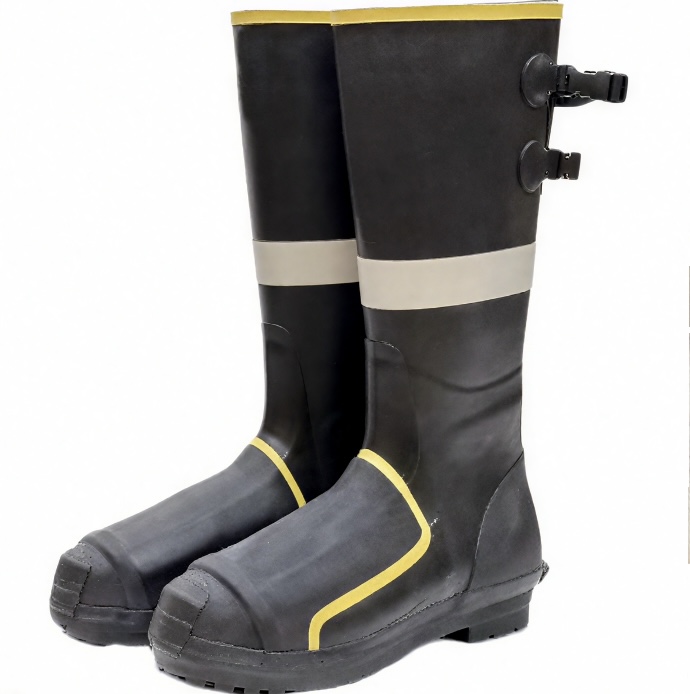
Steel-toe anti-smash work boots are engineered with a combination of materials and advanced manufacturing processes. The steel toe cap is typically made of high-strength steel that is heat-treated to enhance its impact resistance. This cap is inserted into the toe area of the boot, providing a rigid barrier against falling or crushing objects. The outsole is a critical component, often made of rubber or thermoplastic materials. These materials are chosen for their excellent traction and durability. The outsole pattern is designed to provide maximum grip on various surfaces, including wet, slippery, or uneven ground. For example, deep, multi-directional grooves and lugs can improve traction on muddy or wet floors. Some boots also have a special anti-static or electrical hazard protection feature in the outsole, which can prevent static electricity buildup or protect against electrical shock. The upper part of the boot can be made of various materials, such as leather, synthetic materials, or a combination of both. Leather is a popular choice for its durability, breathability, and water resistance. Synthetic materials, on the other hand, are often lightweight, flexible, and may offer better resistance to chemicals or abrasion. The lining of the boot is usually made of a moisture-wicking and breathable material to keep the feet dry and comfortable. Some boots also have additional padding or insulation for added comfort. A Professional Rain Boot Manufacturer understands these principles well and uses them to produce work boots that meet different user needs.
3. Practical Solutions and Operation Steps
When choosing steel-toe anti-smash work boots, several factors should be considered:1. **Material selection**: - For the upper part, leather boots are durable and breathable, but they may be heavier. Synthetic materials are lightweight and offer good chemical resistance, suitable for environments with exposure to chemicals. - The outsole material should provide good traction. Rubber outsoles are common and offer excellent grip on various surfaces. - The liner material should be moisture-wicking to keep feet dry.2. **Toe cap**: Ensure that the steel toe cap meets safety standards, such as ASTM F2413-24. This standard specifies the performance requirements for protective toe footwear.3. **Shaft height**: Consider the working environment. Higher shafts can provide more protection to the ankles, which is useful in environments with tall grass, sharp objects, or when there is a risk of ankle injuries. Shorter shafts are more comfortable and flexible for tasks that require a lot of movement.4. **Sole pattern**: Choose a sole with a deep and aggressive pattern. Look for soles with grooves, lugs, or other traction-enhancing features. A sole with a good pattern will provide better grip on wet and slippery surfaces.5. **Comfort features**: Pay attention to arch support, cushioning, and breathability. Look for boots with a padded insole and a breathable liner. Test the boots on your feet to ensure a comfortable fit.6. **Size**: Measure your feet accurately and choose the right size. Boots that are too tight can cause discomfort and circulation problems, while boots that are too loose may not provide proper support.7. **Safety features**: In addition to the steel toe cap, consider other safety features such as puncture resistance, electrical hazard protection, and chemical resistance. Make sure these features are appropriate for your work environment.8. **Cleaning and storage**: - Regularly clean the boots with a soft brush and mild soap. Rinse them thoroughly and let them air dry in a well-ventilated area. - Store the boots in a cool, dry place away from direct sunlight and heat sources. Avoid storing them in a compressed position to prevent deformation.
4. Daily Maintenance and Precautions
Proper maintenance of steel-toe anti-smash work boots can extend their lifespan and ensure their effectiveness. Here are some daily maintenance tips:1. **Cleaning**: After each use, clean the boots to remove dirt, mud, and debris. Use a soft brush and mild soap to gently scrub the boots. Pay attention to the seams and the sole. Rinse the boots thoroughly with water to remove all the soap residue.2. **Drying**: Allow the boots to air dry naturally in a well-ventilated area. Avoid drying them near a heat source such as a radiator or a heater, as this can cause the materials to shrink, crack, or lose their shape. Stuff the boots with newspaper to help absorb moisture and maintain their shape.3. **Conditioning**: If the boots are made of leather, apply a leather conditioner periodically to keep the leather soft, supple, and waterproof. Follow the manufacturer's instructions for applying the conditioner.4. **Inspection**: Regularly inspect the boots for any signs of wear and tear, such as cracks, holes, or loose stitching. Check the integrity of the steel toe cap and the outsole. If there are any problems, replace the boots immediately or have them repaired by a professional.5. **Storage**: Store the boots in a cool, dry place away from direct sunlight. Avoid storing them in a damp or humid environment, as this can cause mold and mildew growth. Do not store the boots in a compressed position; instead, use a boot tree or stuff them with paper to maintain their shape.6. **Precautions**: - Do not expose the boots to extreme heat or cold for extended periods, as this can damage the materials. - Avoid using harsh chemicals or solvents to clean the boots, as they can damage the leather or synthetic materials. - Do not use the boots for purposes other than their intended use. For example, do not use non-certified safety boots in a high-risk environment that requires safety-certified footwear.
5. Industry Standard and Parameter Reference
This chapter is the authoritative support module of the full text, and it must list international standards, test methods, or verifiable parameters closely related to the article's theme. The preferred format is a table.
ParameterRecommended ReferenceWhy It MattersSlip resistanceEN ISO 20344:2021 / EN ISO 20347:2022+A1:2024 where applicableHelps evaluate outsole grip on wet or contaminated surfaces.Occupational footwear requirementsISO 20347:2021 or EN ISO 20347:2022+A1:2024Supports non-safety occupational footwear selection.Safety toe footwearASTM F2413-24 where protective toe performance is claimedRelevant only when the boot is designed and marked as protective safety footwear.Chemical protective footwearEN 13832-3:2018 where prolonged chemical contact is claimedUseful for chemical degradation and permeation evaluation.
Do not invent exact performance numbers. Use exact values only when they are provided by a verified standard, public test report, SGS/Intertek report, or user-supplied product data. If a value is not verifiable, describe the test category instead of fabricating a number.
6. Customer Common FAQ
Q: How do I choose the right material for steel-toe anti-smash work boots?
A: The choice of material depends on your working environment. Leather is durable and breathable, suitable for general use. Synthetic materials are lightweight and may offer better chemical resistance, ideal for chemical-exposed environments. A Professional Rain Boot Manufacturer can provide more detailed advice based on your specific needs.
Q: Are steel-toe boots heavy and uncomfortable to wear?
A: Modern steel-toe boots are designed to be as comfortable as possible. While they may be slightly heavier than regular boots due to the steel toe cap, many boots now have features such as lightweight materials, padded insoles, and arch support to reduce the weight and improve comfort. However, it may take some time to get used to wearing them, especially if you are not accustomed to safety boots.
Q: How can I ensure the boots fit properly?
A: Measure your feet accurately and refer to the manufacturer's size chart. Try on the boots with the type of socks you usually wear for work. Walk around in the boots to check for any tightness, rubbing, or discomfort. Make sure you have enough room in the toe area for your toes to move freely.
Q: Do steel-toe boots have a strong smell when new?
A: Some boots may have a slight odor when new, especially if they are made of certain materials such as leather or synthetic polymers. This odor usually fades over time with proper ventilation. You can speed up the process by leaving the boots in a well-ventilated area for a few days before wearing them.
Q: Can I wear steel-toe boots in cold weather?
A: Yes, but you may need to choose boots with appropriate insulation. Some steel-toe boots are designed with insulated liners to keep your feet warm in cold conditions. However, if the temperature is extremely low, you may also consider using additional insulated socks.
Conclusion
In conclusion, steel-toe anti-smash work boots are essential safety equipment for workers in high-risk environments such as construction sites, manufacturing plants, and mines. Understanding the core problems, product and process principles, practical selection steps, maintenance tips, and industry standards can help you choose the right boots and ensure their proper use. A Professional Rain Boot Manufacturer can offer valuable insights and guidance in the selection, production, and maintenance of these boots, ensuring that you get the best protection and performance for your work.
References
- ISO 20344:2021, Footwear Test Methods
- ISO 20347:2021, Occupational Footwear
- EN ISO 20347:2022+A1:2024, Relevant Standards for Occupational Footwear
- ASTM F2413 - 24, Protective Footwear Specification
- EN 13832 - 3:2018, Chemical Protective Footwear