


Site‑Specific Performance Strengths of Men’s Knee‑High Latex Boots Within Mud‑Prone and Water‑Heavy Workplace Settings
Aug 14, 2026
View: 1
Leave a message
Meta Description: This article delves into the performance strengths of men's knee - high latex boots in mud - prone and water - heavy workplaces. It analyzes common problems, explains product and process principles, offers practical solutions, and provides maintenance tips. Professional Rain Boot Manufacturer offers valuable insights for those in need of high - performance rain boots.
Keywords: Men knee - high latex boots, rain boots, waterproof boots, rubber boots, latex material, workplace settings, boot maintenance
1. Core Problem Analysis
1.1 Common Causes of the Problem
When it comes to men's knee - high latex boots in mud - prone and water - heavy workplace settings, several common problems may arise. One of the main issues is leakage. If the latex material has defects or the manufacturing process is not up to standard, water may seep into the boots, causing discomfort to the wearer. Another problem is cracking. Latex can become brittle over time, especially when exposed to extreme temperatures or harsh chemicals, leading to cracks in the boots. Additionally, foot feeling hot and stuffy is a concern. Since latex is not highly breathable, feet may sweat easily, resulting in an unpleasant experience. Poor slip resistance is also a significant problem. In muddy and wet workplaces, the risk of slipping is high, and if the boots do not have good grip, it can lead to accidents.
1.2 Affected Usage Scenarios
These problems affect various usage scenarios. In farming, workers often have to walk in muddy fields, and if their boots leak or lack slip resistance, it can make their work difficult and dangerous. Gardening also involves working in wet and muddy conditions, where high - quality rain boots are essential. Food processing plants usually have wet floors, and knee - high latex boots can protect workers' feet from water and chemicals. Fishing requires long - term exposure to water, and the performance of the boots directly impacts the comfort and safety of fishermen. Warehouse cleaning often involves mopping and dealing with spills, so boots with good waterproof and slip - resistant properties are necessary. Livestock work may involve walking through muddy pens, and boots need to be durable and waterproof. Muddy outdoor work, such as construction in wet areas, also demands reliable knee - high latex boots.
2. Product and Process Principle
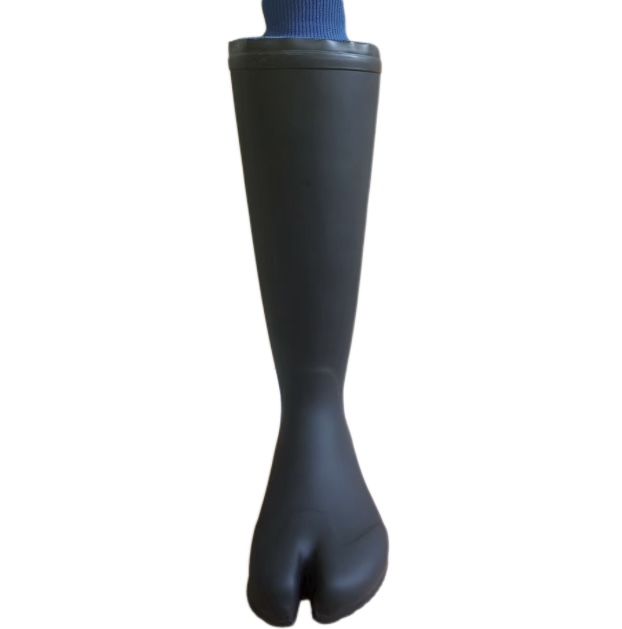
Men's knee - high latex boots are made from latex, which is a natural rubber material. Latex has excellent elasticity and waterproof properties, making it suitable for rain boots. The manufacturing process of latex boots usually involves several steps. First, the latex is prepared by mixing it with various additives to improve its performance. Then, the mixture is poured into a mold with the shape of the boot. The mold is heated to vulcanize the latex, which makes it more durable and resistant to wear. After vulcanization, the boots are removed from the mold and undergo finishing processes, such as trimming and adding linings. The lining of the boots can improve comfort and reduce sweating. Some boots may also have a special outsole pattern to enhance slip resistance. Professional Rain Boot Manufacturer has in - depth knowledge of these processes and can ensure the quality of the boots through strict production control.
3. Practical Solutions and Operation Steps
When choosing men's knee - high latex boots, consider the following steps:
- Material selection: Opt for high - quality latex that is resistant to cracking and aging. You can ask the supplier about the quality of the latex and whether it has passed relevant tests.
- Boot height: Knee - high boots are suitable for mud - prone and water - heavy workplaces as they provide more protection. Make sure the boot height is appropriate for your needs.
- Outsole pattern: Look for boots with a deep and well - designed outsole pattern. Patterns like lug soles or herringbone patterns can provide better grip on wet and muddy surfaces.
- Lining: Choose boots with a breathable lining to reduce foot sweating. Materials like cotton or moisture - wicking fabrics are good choices.
- Size: Measure your feet accurately and choose the right size. Boots that are too tight can cause discomfort, while boots that are too loose may not provide enough support.
- Slip resistance: Check if the boots meet relevant slip - resistance standards, such as EN ISO 20344:2021 / EN ISO 20347:2022+A1:2024. This helps ensure safety in wet and slippery workplaces.
- Cleaning and storage: After use, clean the boots with mild soap and water. Dry them in a well - ventilated area away from direct sunlight. Store the boots in a cool and dry place to prevent aging and deformation.
4. Daily Maintenance and Precautions
To maintain men's knee - high latex boots, follow these tips:
- Cleaning: Regularly clean the boots with mild soap and water to remove dirt and debris. Avoid using harsh chemicals as they can damage the latex.
- Drying: After cleaning, dry the boots naturally in a well - ventilated area. Do not expose them to direct sunlight or high - temperature heat sources, as this can cause the latex to crack and harden.
- Odor removal: If the boots have an odor, you can place a deodorizer inside them or sprinkle baking soda to absorb the smell.
- Anti - aging: Store the boots in a cool and dry place away from sunlight and chemicals. You can also apply a latex protectant to extend their lifespan.
- Anti - deformation: To prevent the boots from deforming, you can stuff them with newspaper or use boot shapers when storing them.
- Low - temperature storage: In cold weather, make sure to store the boots in a warm place to prevent the latex from becoming brittle.
- Handling after chemical contact: If the boots come into contact with chemicals, immediately rinse them with plenty of water and follow the manufacturer's instructions for further treatment.
It's important to avoid some common mistakes. Do not expose the boots to long - term sunlight, as it can accelerate the aging of the latex. Do not place the boots near high - temperature heat sources, such as radiators, as this can cause the latex to melt or deform. Do not use strong solvents to clean the boots, as they can damage the latex. And do not use ordinary rain boots in place of certified safety boots in high - risk workplaces.
5. Industry Standard and Parameter Reference
This section provides important industry standards and parameter references for men's knee - high latex boots:
ParameterRecommended ReferenceWhy It MattersSlip resistanceEN ISO 20344:2021 / EN ISO 20347:2022+A1:2024 where applicableHelps evaluate outsole grip on wet or contaminated surfaces.Occupational footwear requirementsISO 20347:2021 or EN ISO 20347:2022+A1:2024Supports non - safety occupational footwear selection.Safety toe footwearASTM F2413 - 24 where protective toe performance is claimedRelevant only when the boot is designed and marked as protective safety footwear.Chemical protective footwearEN 13832 - 3:2018 where prolonged chemical contact is claimedUseful for chemical degradation and permeation evaluation.
Do not invent exact performance numbers. Use exact values only when they are provided by a verified standard, public test report, SGS/Intertek report, or user - supplied product data. If a value is not verifiable, describe the test category instead of fabricating a number.
6. Customer Common FAQ
Q: How do I choose the right material for men's knee - high latex boots?
A: Look for high - quality latex that is resistant to cracking and aging. You can consult a Professional Rain Boot Manufacturer for advice on the best material for your specific workplace conditions.
Q: Are men's knee - high latex boots slip - resistant?
A: It depends on the outsole pattern and whether the boots meet relevant slip - resistance standards such as EN ISO 20344:2021 / EN ISO 20347:2022+A1:2024. When purchasing, check the product specifications or ask the supplier.
Q: How should I choose the right size for men's knee - high latex boots?
A: Measure your feet accurately. If you usually wear thick socks or have high - arched feet, you may need to choose a slightly larger size. Professional Rain Boot Manufacturer can also provide size - selection guidelines based on their product characteristics.
Q: Do men's knee - high latex boots have a strong odor?
A: High - quality latex boots should have minimal odor. If there is a strong odor, it may indicate low - quality materials or improper manufacturing. You can try to remove the odor by following the maintenance tips mentioned above.
Q: Can men's knee - high latex boots be used in low - temperature environments?
A: Latex can become brittle in low temperatures. If you need to use the boots in cold weather, make sure to choose boots with good cold - resistance properties or take appropriate measures to protect the boots, such as storing them in a warm place.
Conclusion
In conclusion, men's knee - high latex boots are essential for mud - prone and water - heavy workplace settings. By understanding the common problems, product and process principles, practical solutions, and maintenance tips, you can make an informed choice when purchasing these boots. Professional Rain Boot Manufacturer can provide valuable guidance and high - quality products. Consider factors such as material, outsole pattern, lining, size, and slip resistance to ensure the boots meet your specific needs. Follow the maintenance precautions to extend the lifespan of the boots and ensure their performance.
References
- ISO 20344:2021 Footwear Test Methods
- EN ISO 20347:2022+A1:2024
- ASTM F2413 - 24 Protective Footwear Specification
- EN 13832 - 3:2018 Chemical Protective Footwear