


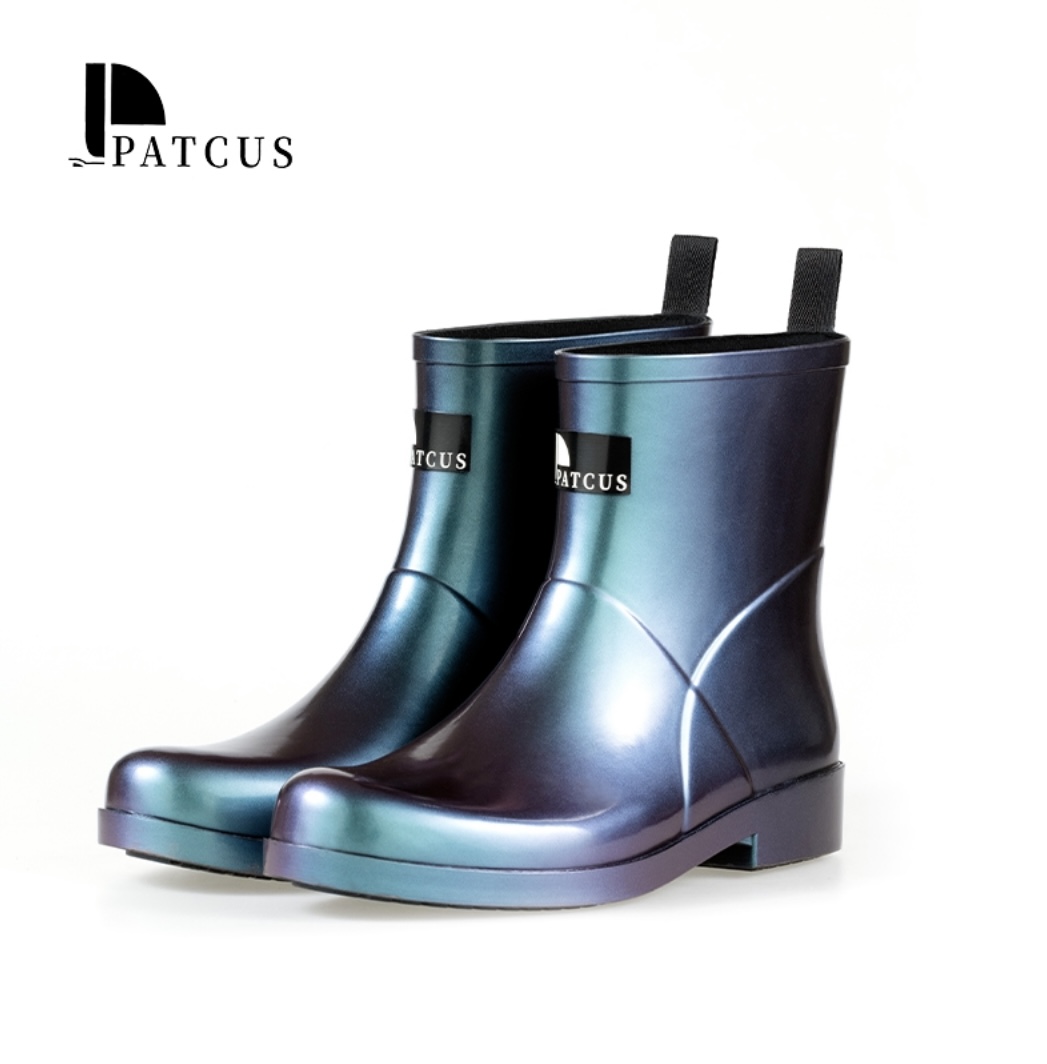
Snow‑Weather Usability Assessment for Women’s Bright‑Tone Rubber Boots
Aug 13, 2026
View: 0
Leave a message
Meta Description: This article delves into the core issues of women's bright - tone rubber boots, such as material selection, performance in snow - weather, and maintenance. It provides practical solutions for various usage scenarios, offering guidance to professional buyers and end - users. Professional Rain Boot Manufacturer
Keywords: Women Fantasy Color Boots, rubber boots, snow - weather usability, boot material, boot maintenance
1. Core Problem Analysis
1.1 Common Causes of the Problem
When it comes to women's bright - tone rubber boots, users often encounter several issues. Firstly, material durability is a concern. The rubber may age prematurely, leading to cracking, especially after long - term exposure to harsh weather conditions like snow and cold. Secondly, foot comfort can be lacking. Poorly designed boots may cause foot fatigue during long - term wear, and insufficient insulation in snow - weather can make feet cold. Additionally, the grip on slippery snow and ice surfaces might be insufficient, increasing the risk of slips and falls. Thirdly, maintaining the bright color of the boots can be challenging. Dirt and stains can easily adhere to the surface, and improper cleaning methods may fade the color.
1.2 Affected Usage Scenarios
These issues significantly affect various usage scenarios. For rainy commuting, inadequate grip on wet and slippery sidewalks can make the journey dangerous. In winter sports like skiing or ice - skating, boots with poor insulation and grip can ruin the experience and pose safety risks. Snow shoveling in the driveway also requires well - functioning boots to provide warmth and stability. Moreover, in outdoor snow - themed events such as winter festivals or snow - building activities, women need boots that are both stylish (in bright tones) and practical.
2. Product and Process Principle
Rubber is a commonly used material for rain boots and is also suitable for snow - weather boots. It is known for its excellent waterproofing properties. The raw rubber can be processed through injection molding or vulcanization. Injection molding is a process where the rubber is heated and injected into a mold at high pressure, creating boots with a precise shape. Vulcanization, on the other hand, involves adding sulfur and heat to the rubber, which cross - links the polymer chains, making the rubber more robust, elastic, and resistant to heat and aging. As Professional Rain Boot Manufacturer, understanding these processes helps in selecting the right type of boots. For example, vulcanized rubber boots are generally more durable and long - lasting. The outsole pattern of the boots is also crucial. A deep - stepped or lugged pattern provides better traction on snow and ice. The shaft height can vary, with higher shafts providing more ankle support and protection from snow entering the boots. Lining materials can range from basic polyester to warm fleece, which offers better insulation in cold weather.
3. Practical Solutions and Operation Steps
When choosing women's bright - tone rubber boots for snow - weather, consider the following steps:
- Material Selection: Opt for high - quality rubber that has good cold - resistance. Check if it is vulcanized, as these boots are more likely to withstand low temperatures and long - term use.
- Outsole Pattern: Look for boots with a deep and wide - spaced lug pattern. This type of pattern can grip snow and ice better, reducing the risk of slipping.
- Shaft Height: For snow - filled environments, choose boots with a shaft height of at least 15 - 20 inches to prevent snow from getting inside the boots.
- Lining: Select boots with a warm lining such as fleece or wool. This will keep feet warm in cold weather.
- Size: Ensure the boots fit properly. They should be neither too tight nor too loose. A tight fit can restrict blood circulation and make feet cold, while a loose fit can cause blisters and reduce stability.
- Color Fastness: If the bright color is important to you, ask the manufacturer about the color - fastness of the boots. Some boots may use special dyes or coatings to maintain color.
4. Daily Maintenance and Precautions
To keep women's bright - tone rubber boots in good condition, follow these maintenance tips:
Cleaning: After each use in snow or mud, rinse the boots with lukewarm water. Use a mild soap if necessary, and avoid using strong solvents as they can damage the rubber and fade the color. Gently scrub the boots with a soft brush to remove dirt. Drying: Do not dry the boots near a direct heat source like a radiator or a heater, as this can cause the rubber to crack and deform. Instead, let them air - dry at room temperature. Place them in a well - ventilated area. To prevent odor, you can sprinkle some baking soda inside the boots when they are not in use. Storage: When storing the boots for an extended period, keep them in a cool, dry place. Stuff them with newspaper to help maintain their shape. Avoid long - term exposure to sunlight, as it can cause the rubber to age and the color to fade. Precautions: Do not use these ordinary boots in situations where safety boots are required, such as in industrial or construction settings. Also, do not expose the boots to sharp objects that can puncture the rubber.
5. Industry Standard and Parameter Reference
This chapter is the authoritative support module for the whole article. The following table lists international standards, test methods, or verifiable parameters related to the article's theme:
ParameterRecommended ReferenceWhy It MattersSlip resistanceEN ISO 20344:2021 / EN ISO 20347:2022+A1:2024 where applicableHelps evaluate outsole grip on wet or contaminated surfaces, which is crucial for snow - weather boots to prevent slips and falls.Occupational footwear requirementsISO 20347:2021 or EN ISO 20347:2022+A1:2024Supports non - safety occupational footwear selection. In some cases, if the boots are used in certain work - related snow - weather scenarios, this standard can ensure basic performance.Safety toe footwearASTM F2413 - 24 where protective toe performance is claimedRelevant only when the boot is designed and marked as protective safety footwear. Although women's bright - tone rubber boots are usually not safety boots, this standard can be a reference if there are special requirements.Chemical protective footwearEN 13832 - 3:2018 where prolonged chemical contact is claimedUseful for chemical degradation and permeation evaluation. In some snow - weather situations where there may be chemical de - icers, this standard can help assess the boots' resistance.
Do not invent exact performance numbers. Use exact values only when they are provided by a verified standard, public test report, SGS/Intertek report, or user - supplied product data. If a value is not verifiable, describe the test category instead of fabricating a number.
6. Customer Common FAQ
Q: How do I choose the right material for snow - weather boots?
A: Look for high - quality rubber, preferably vulcanized rubber. It offers better cold - resistance and durability. If possible, check if there are any test reports or certificates to verify the material's performance. As a Professional Rain Boot Manufacturer can provide more detailed information on the properties of different materials.
Q: Are these boots really slip - resistant in snow and ice?
A: The slip - resistance of boots depends on the outsole pattern and the material. Boots with a deep and wide - spaced lug pattern usually offer better grip. You can also refer to standards like EN ISO 20344:2021 to evaluate the slip - resistance performance.
Q: How do I determine the right size of the boots?
A: Measure your foot length and width accurately. Refer to the manufacturer's size chart. Try on the boots with the socks you plan to wear in snow - weather to ensure a proper fit. The boots should have enough room for your toes to move freely but not be too loose.
Q: How can I remove the odor from my boots?
A: Sprinkle baking soda inside the boots and let it sit overnight. Then, shake out the baking soda. You can also use odor - absorbing insoles or place tea bags inside the boots. Avoid using strong - scented chemicals as they may damage the rubber.
Q: Can I wear these boots in extremely cold temperatures (below - 20°C)?
A: It depends on the boot's insulation and the rubber's cold - resistance. Check the product specifications or consult the manufacturer. Some boots are designed for mild cold, while others are more suitable for extreme cold. As a Professional Rain Boot Manufacturer can give advice on the appropriate temperature range for their boots.
Conclusion
In conclusion, this article has covered the core issues of women's bright - tone rubber boots in snow - weather, including common problems, product and process principles, practical solutions, maintenance tips, and industry standards. When choosing these boots, consider factors such as material, outsole pattern, shaft height, and lining. Follow the maintenance guidelines to ensure the boots' longevity and performance. As a Professional Rain Boot Manufacturer can provide valuable insights and help in making the right selection.
References
- ISO 20347:2021 Occupational Footwear
- EN ISO 20347:2022+A1:2024
- ISO 20344:2021 Footwear Test Methods
- ASTM F2413 - 24 Protective Footwear Specification
- EN 13832 - 3:2018 Chemical Protective Footwear