


Solid Unpatterned Men’s Multi-Scenario Outdoor Rubber Boots: Cost-Effective Durability & Low-Maintenance Merits for Outdoor Gear Bulk Buyers
Aug 13, 2026
View: 0
Leave a message
Meta Description: This article delves into the challenges, solutions, and standards of men's plain boots. It covers core issues like waterproofing and durability, suitable for outdoor work, farming, and rainy commuting. Professional Rain Boot Manufacturer offers insights into product selection and maintenance.
Keywords: Men Plain Boots, Rubber Boots, Waterproof Boots, Boot Maintenance, Boot Material
1. Core Problem Analysis
1.1 Common Causes of the Problem
When searching for men's plain boots, buyers often encounter several common issues. One major concern is waterproofing. If the materials are of poor quality or the craftsmanship is sub - standard, boots may leak, getting feet wet. For instance, PVC materials that are too thin can easily crack, leading to water seepage. Hardness and comfort are also crucial. Boots that are too hard can cause discomfort and fatigue during long - term wear, while materials like rubber that is improperly formulated may become rigid in cold temperatures or soft and sticky in hot weather. Sizing is another headache, as ill - fitting boots can lead to blisters, calluses, or restricted movement. Additionally, the outsole's lack of slip resistance on wet or slippery surfaces poses a safety risk, and the materials may age prematurely, affecting the overall lifespan of the boots.
1.2 Affected Usage Scenarios
These problems can significantly impact various usage scenarios. In farming and gardening, boots are exposed to mud, water, and chemicals. Leaky or uncomfortable boots can hinder work efficiency and cause health issues. For fishing, where workers are in constant contact with water, waterproof and durable boots are essential. In rainy commuting, slip - resistant boots are needed to prevent falls on wet pavements. Warehouse cleaning involves standing for long periods and moving heavy objects, requiring boots with good cushioning and support. Livestock work may expose boots to sharp objects and manure, demanding puncture - resistant and easy - to - clean materials. Muddy outdoor work, such as construction or archaeological excavation, necessitates boots that can withstand harsh conditions and provide good traction.
2. Product and Process Principle
Rain boots are typically made from various materials, each with its own characteristics and manufacturing processes. PVC (Polyvinyl Chloride) is a popular choice due to its low cost and good waterproof properties. It is a thermoplastic material that can be easily molded. The production process of PVC boots usually involves heating the PVC resin with plasticizers, stabilizers, and other additives to make it soft and pliable. Then, it is injected into a mold under pressure. Once cooled, the boot takes the shape of the mold. This process is known as injection molding, which offers high production efficiency and is suitable for mass - production of standardized products. However, PVC may become brittle in cold weather and less flexible compared to rubber.
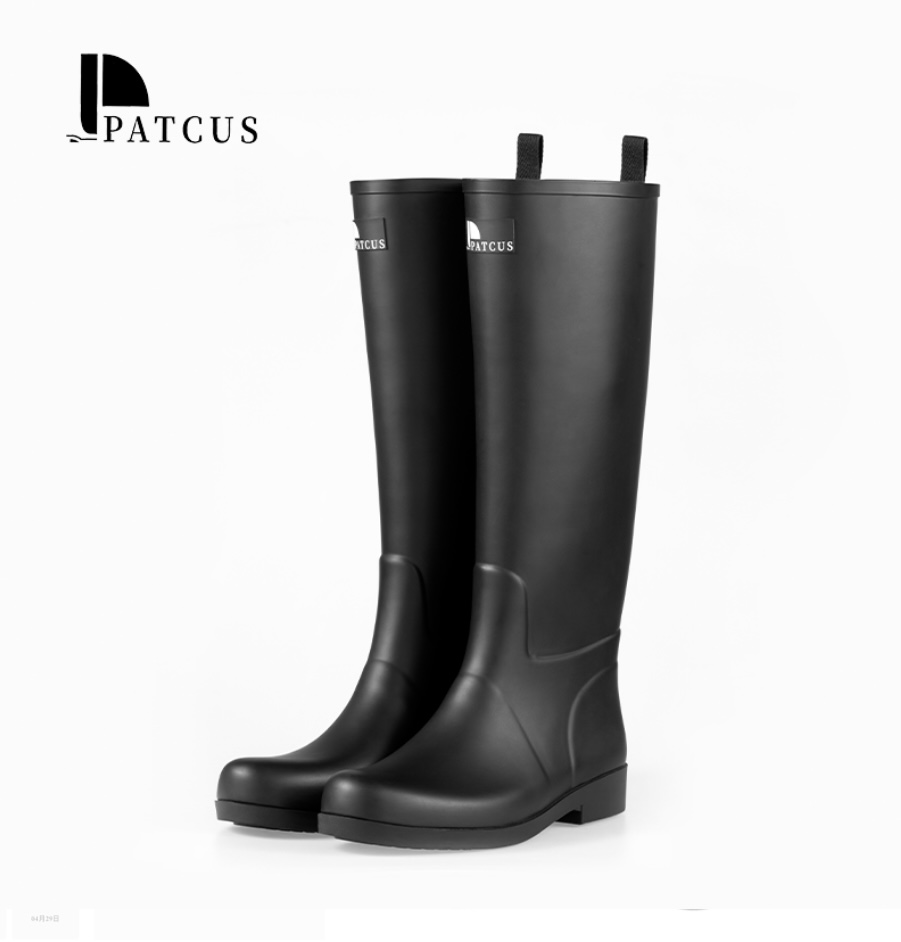
Rubber, including natural and synthetic rubber, offers excellent elasticity, durability, and resistance to abrasion. Natural rubber is derived from the latex of rubber trees, while synthetic rubber is produced through chemical synthesis. The manufacturing of rubber boots often involves a process called vulcanization. In this process, raw rubber is mixed with sulfur and other chemicals and heated under pressure. This causes the formation of cross - links between the rubber molecules, making the rubber stronger, more elastic, and resistant to heat, cold, and aging.
EVA (Ethylene - Vinyl Acetate) is commonly used in the insoles or midsoles of rain boots. It is lightweight, flexible, and has good shock - absorption properties. EVA is made by copolymerizing ethylene and vinyl acetate. The proportion of vinyl acetate in the copolymer can be adjusted to achieve different hardness and flexibility levels.
TPR (Thermoplastic Rubber) combines the properties of rubber and plastics. It can be processed like plastic through injection molding or extrusion, and it also has good elasticity and flexibility. In the production of TPR boots, the TPR material is heated and injected into a mold, similar to the PVC injection - molding process.
The outsole pattern of boots plays a crucial role in providing traction. Different patterns are designed for various surfaces. For example, deep and wide grooves are suitable for muddy terrain, while fine and dense patterns work well on wet and smooth surfaces. Shaft height is designed according to different usage requirements. Low - shaft boots are suitable for short - term exposure to water, while high - shaft boots are necessary for deep - water and mud - filled environments. The lining of boots, such as knit fabric or plush, can improve comfort and moisture - wicking. Professional Rain Boot Manufacturer understands these material and process principles well to produce high - quality boots.
3. Practical Solutions and Operation Steps
When choosing men's plain boots, consider the following steps:
- Material selection: If cost is a major concern and the usage environment is not extremely cold or hot, PVC boots are a viable option. For better durability, elasticity, and performance in extreme temperatures, rubber boots are recommended. EVA - lined boots can enhance comfort, and TPR outsoles can provide a good balance between flexibility and moldability.
- Shaft height: For urban commuting in light rain, low - shaft boots (up to 18 cm) are sufficient. For working in shallow water, mud, or in jobs where a higher degree of protection is needed, mid - shaft boots (25 - 35 cm) are a better choice. High - shaft boots (over 40 cm) are suitable for deep - water scenarios like flood control or deep - mud farming.
- Sole pattern: For slippery or wet surfaces, choose boots with deep - cut or multi - directional grooves on the outsole. For muddy conditions, larger and more widely - spaced lugs provide better traction.
- Lining: If you will be wearing the boots for long periods, look for boots with a breathable and soft lining. Knit linings are breathable, while plush linings are warm and cozy.
- Size: Measure your foot length and width accurately. It's important to allow some extra space for thick socks and to prevent toes from being cramped. Most boot manufacturers provide size charts, so refer to them carefully before purchasing.
- Standards and ratings: Check for international safety standards such as ISO 20344:2021 for slip resistance and ISO 20347:2021 for occupational footwear requirements. If the boots are for a specific industry, like chemical work, they should meet EN 13832 - 3:2018 for chemical protection.
4. Daily Maintenance and Precautions
Proper maintenance can extend the lifespan of men's plain boots. After each use, clean the boots with a soft brush and mild soap to remove dirt, mud, and other debris. Rinse them thoroughly with clean water and let them air - dry in a cool, well - ventilated place. Avoid direct sunlight and high - heat sources, as they can cause the materials to dry out, crack, or deform.
To remove odors, you can place odor - absorbing materials like baking soda or activated charcoal inside the boots. Regularly inspect the boots for signs of wear and tear, such as cracks, loose seams, or worn - out soles. If you notice any issues, address them promptly. If the boots are exposed to chemicals, follow the manufacturer's instructions for proper cleaning and inspection.
There are also several precautions to keep in mind. Do not use harsh solvents or abrasive cleaners, as they can damage the boot materials. Do not use ordinary rain boots for jobs that require safety - certified boots, as they may not provide the necessary protection. Do not store the boots in a damp or humid environment, as this can lead to mold and mildew growth.
5. Industry Standard and Parameter Reference
This section is the authoritative support module of the full - text. It must closely list international standards, test methods, or verifiable parameters related to the article theme. The following table presents some key industry standards:
ParameterRecommended ReferenceWhy It MattersSlip resistanceEN ISO 20344:2021 / EN ISO 20347:2022+A1:2024 where applicableHelps evaluate outsole grip on wet or contaminated surfaces.Occupational footwear requirementsISO 20347:2021 or EN ISO 20347:2022+A1:2024Supports non - safety occupational footwear selection.Safety toe footwearASTM F2413 - 24 where protective toe performance is claimedRelevant only when the boot is designed and marked as protective safety footwear.Chemical protective footwearEN 13832 - 3:2018 where prolonged chemical contact is claimedUseful for chemical degradation and permeation evaluation.
Do not invent exact performance numbers. Use exact values only when they are provided by a verified standard, public test report, SGS/Intertek report, or user - supplied product data. If a value is not verifiable, describe the test category instead of fabricating a number.
6. Customer Common FAQ
Q: How do I choose between PVC and rubber boots?
A: PVC boots are more cost - effective and suitable for general use in mild weather conditions. Rubber boots are more durable, elastic, and perform better in extreme temperatures and harsh environments. Professional Rain Boot Manufacturer can offer more detailed advice based on your specific needs.
Q: Are these boots suitable for ice - covered surfaces?
A: It depends on the slip - resistance rating of the boots. Look for boots that meet EN ISO 20344:2021 or EN ISO 20347:2022+A1:2024 standards for slip resistance. Boots with deep and unique outsole patterns can also provide better grip on ice.
Q: How do I determine the right size?
A: Measure your foot length and width accurately and refer to the manufacturer's size chart. It's advisable to try on boots with the type of socks you plan to wear, as thick socks can affect the fit.
Q: Why do my new boots have a strong smell?
A: New boots may have a chemical smell due to the manufacturing process. You can place odor - absorbing materials like baking soda inside the boots and let them air - out in a well - ventilated area for a few days to reduce the smell.
Q: Can I wear these boots in very cold temperatures?
A: Rubber boots generally perform better in cold temperatures compared to PVC boots. However, the performance also depends on the specific rubber formulation. Check the product specifications for the recommended temperature range. If it's extremely cold, you may also consider wearing thermal socks.
Conclusion
In conclusion, when choosing men's plain boots, it's crucial to understand the common problems, the principles of materials and processes, and the relevant industry standards. Consider factors such as material, shaft height, sole pattern, lining, and size according to your specific usage scenarios. Proper daily maintenance can also significantly extend the lifespan of the boots. Professional Rain Boot Manufacturer can provide valuable insights and guidance throughout the selection and maintenance process.
References
- ISO 20344:2021, Footwear Test Methods
- ISO 20347:2021, Occupational Footwear
- EN ISO 20347:2022+A1:2024, Occupational Footwear
- ASTM F2413 - 24, Protective Footwear Specification
- EN 13832 - 3:2018, Chemical Protective Footwear