


Style‑Driven Practical Values of Fashion‑Forward Women’s Latex Ankle Boots for Daily Wardrobe Matching
Aug 14, 2026
View: 1
Leave a message
Meta Description: Explore the core aspects of fashionable women's latex ankle boots, including selection, use, and maintenance. Learn how to match these boots to different daily scenarios. Ideal for women looking to elevate their daily style. Professional Rain Boot Manufacturer provides in - depth knowledge on this topic.
Keywords: Fashionable women's latex ankle boots, rain boots, waterproof boots, latex material, boot selection, boot maintenance, style matching
1. Core Problem Analysis
1.1 Common Causes of the Problem
When it comes to fashionable women's latex ankle boots, users may encounter several issues. One common problem is the fit of the boots. If the boots are too tight, they can cause discomfort and restrict movement, especially when walking for long periods. On the other hand, if they are too loose, they may not provide the necessary support and may slip off. Another issue is the durability of the latex material. Over time, exposure to sunlight, heat, and certain chemicals can cause the latex to deteriorate, leading to cracks or holes in the boots. Additionally, maintaining the shine and cleanliness of latex boots can be challenging, as they can easily attract dust and dirt.
1.2 Affected Usage Scenarios
These boots are often used in various daily scenarios. For rainy commuting, they are a great choice as they are waterproof and can keep feet dry. However, in heavy rain or deep puddles, sub - standard waterproofing may lead to water seeping in. For outdoor parties or fashion events, these boots can add a stylish touch to an outfit. But if they are not comfortable, it can be a distraction during the event. When used for short walks in the city, the boots should be easy to move in; otherwise, they may cause foot fatigue. Additionally, in muddy outdoor environments, the boots need to be sturdy enough to withstand the mud and debris, and the sole should have good traction to prevent slipping.
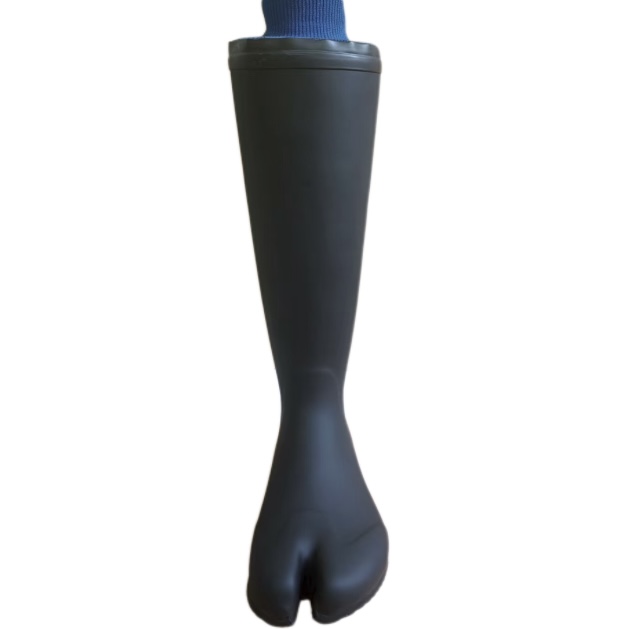
2. Product and Process Principle
Latex is a popular material for rain boots due to its excellent waterproof properties. It is a natural or synthetic rubber with high elasticity and flexibility. The production of latex ankle boots often starts with a metal shoe楦 that is first cleaned and coated with a release agent. The shoe楦 is then immersed in an impregnating latex solution. This solution typically contains natural or synthetic latex, along with various additives such as sulfur for vulcanization, accelerators to speed up the vulcanization process, and antioxidants to prevent aging. After immersion, the shoe楦 with the latex coating undergoes pre - drying. This step removes some of the moisture and helps the latex start to solidify. Subsequently, the latex - coated shoe楦 is placed in a vulcanizing tank. Vulcanization is a crucial process that cross - links the latex molecules, significantly improving the strength, elasticity, and stability of the boots. Once the vulcanization is complete, the latex boot is removed from the shoe楦 and then bonded to the rubber sole. Professional Rain Boot Manufacturer knows well these processes to ensure the quality of the final products.
The choice of additives in the latex formulation is also important. For example, the addition of reinforcing agents can enhance the wear - resistance of the boots, while softening agents can improve the flexibility of the latex. The thickness of the latex layer is carefully controlled during the immersion process to ensure the boots have the right balance of strength and flexibility. Additionally, different patterns can be created on the outsole of the boots to improve grip. These patterns are usually formed during the molding of the rubber sole, which is a part of the overall boot - making process.
3. Practical Solutions and Operation Steps
When choosing fashionable women's latex ankle boots, consider the following steps:
- Material Selection: Look for high - quality latex that is resistant to aging and has good elasticity. You can ask the seller about the source of the latex and its quality certifications. For example, some manufacturers use pure natural latex, which generally has better environmental - friendliness and elasticity [1].
- Size and Fit: Measure your feet accurately and refer to the size chart provided by the manufacturer. Try on the boots if possible. Ensure that there is enough room for your toes to move freely, but the boots should not be too loose around the ankle. A snug fit around the ankle can prevent water from entering the boots [1].
- Sole Pattern: Choose a sole with a deep and clear pattern. This will improve the boot's traction on wet and slippery surfaces. Patterns like lug soles are commonly used for this purpose [1].
- Inner Lining: Some latex ankle boots come with a soft inner lining, which can enhance comfort. Opt for a lining material that is breathable and moisture - wicking, such as cotton or a synthetic blend [1].
- Color and Style: Select a color and style that matches your wardrobe and personal taste. Classic black or brown latex boots are versatile and can be paired with many outfits, while more colorful or patterned boots can make a fashion statement [1].
- Maintenance: After each use, clean the boots with a mild soap and water solution. Wipe them dry with a soft cloth and let them air - dry in a cool, ventilated place. Avoid exposing the boots to direct sunlight or heat sources, as this can cause the latex to deteriorate [1].
4. Daily Maintenance and Precautions
Proper daily maintenance is essential for the longevity of fashionable women's latex ankle boots.
Cleaning: Use a mild, non - abrasive soap and lukewarm water to clean the boots. Gently scrub the surface with a soft sponge or cloth to remove dirt and stains. Rinse thoroughly to ensure no soap residue remains on the boots. Do not use strong solvents or harsh chemicals, as they can damage the latex material. For stubborn stains, you can use a specialized latex cleaner, but always test it on a small, inconspicuous area first [1].
Drying: After cleaning, pat the boots dry with a soft towel to remove excess water. Then, let them air - dry in a cool, well - ventilated place. Avoid using a heater, dryer, or placing them in direct sunlight to dry, as these can cause the latex to shrink, crack, or lose its elasticity [1].
Storage: Store the boots in a cool, dry place away from heat sources and direct sunlight. You can stuff them with tissue paper to help maintain their shape. Do not stack heavy objects on top of the boots, as this can deform them [1].
Precautions: Do not expose the boots to extreme temperatures, as this can accelerate the aging process of the latex. Also, avoid prolonged contact with sharp objects, as they can easily puncture the latex. Never use ordinary rain boots in place of certified safety boots in workplaces where safety boots are required, as they may not provide the necessary protection [1].
5. Industry Standard and Parameter Reference
This section provides authoritative information on industry standards and parameters related to latex ankle boots.
ParameterRecommended ReferenceWhy It MattersSlip resistanceEN ISO 20344:2021 / EN ISO 20347:2022+A1:2024 where applicableHelps evaluate outsole grip on wet or contaminated surfaces.Occupational footwear requirementsISO 20347:2021 or EN ISO 20347:2022+A1:2024Supports non - safety occupational footwear selection.Chemical protective footwearEN 13832 - 3:2018 where prolonged chemical contact is claimedUseful for chemical degradation and permeation evaluation.Latex qualityASTM D1076 - 23 for some properties of natural rubber latexEnsures the latex used in the boots meets certain quality and performance criteria.
6. Customer Common FAQ
Q: How can I tell if the latex ankle boots are of good quality?
A: A Professional Rain Boot Manufacturer can provide information on the quality of the latex. Look for boots that have a smooth, even surface without visible flaws. High - quality latex should have good elasticity and regain its shape quickly after being stretched. You can also check for quality certifications related to the latex material and the overall manufacturing process [1].
Q: Are latex ankle boots suitable for cold weather?
A: Latex itself is not a great insulator. However, some latex ankle boots come with an insulated lining, which can make them more suitable for cold weather. If you plan to wear them in very cold temperatures, make sure to choose boots with proper insulation [1].
Q: Can I wear latex ankle boots in chemical - prone environments?
A: It depends on the type of chemicals. If it is a light chemical splash, some latex boots may provide basic protection. But for prolonged or high - concentration chemical contact, refer to the EN 13832 - 3:2018 standard. Certified chemical - protective footwear should be used in such cases [1].
Q: How do I remove the odor from my latex ankle boots?
A: Place a few tea bags or activated charcoal inside the boots and let them sit for a few days. These natural odor absorbers can help reduce the smell. You can also sprinkle a small amount of baking soda inside the boots and then vacuum it out after a while [1].
Conclusion
Fashionable women's latex ankle boots offer both style and practicality in various daily scenarios. When choosing these boots, consider factors such as material quality, size, sole pattern, and lining. Proper maintenance, including cleaning, drying, and storage, is crucial for their longevity. It's important to refer to industry standards for safety and performance. A Professional Rain Boot Manufacturer can provide valuable guidance on product selection and maintenance, ensuring that you get the most out of your latex ankle boots.
References
- Based on the general knowledge of rain - boot manufacturing process and properties of latex materials.