


Styling Tips for Women's Latex Ankle Boots for Cold Urban Weather
Nov 27, 2026
View: 0
Leave a message
Meta Description: Cold weather in urban settings requires footwear that balances warmth, style, and practicality. Women seeking versatile latex ankle boots often struggle with pairing options and material suitability for city environments. This guide addresses common pain points including fit, traction, and maintenance. Professional Rain Boot Manufacturer shares key insights for styling and selecting the right pair.
Keywords: women's latex ankle boots, cold weather footwear, urban rain boots, waterproof ankle boots, boot styling tips, footwear maintenance
1. Core Problem Analysis
1.1 Common Causes of the Problem
Many urban women face issues such as inadequate traction on icy sidewalks, stiffness in cold temperatures, improper sizing that causes blisters, and difficulty pairing bulky cold-weather footwear with everyday outfits. Additionally, latex materials may crack or lose flexibility if exposed to extreme cold or improper storage, while poor sealing can lead to water seepage through seams.
1.2 Affected Usage Scenarios
These problems impact daily urban activities including commuting by foot, navigating icy crosswalks, running errands in cold weather, and attending casual outdoor gatherings. Latex ankle boots used in these scenarios must perform well on smooth, paved surfaces exposed to moisture, ice, and occasional slush.
2. Product and Process Principle
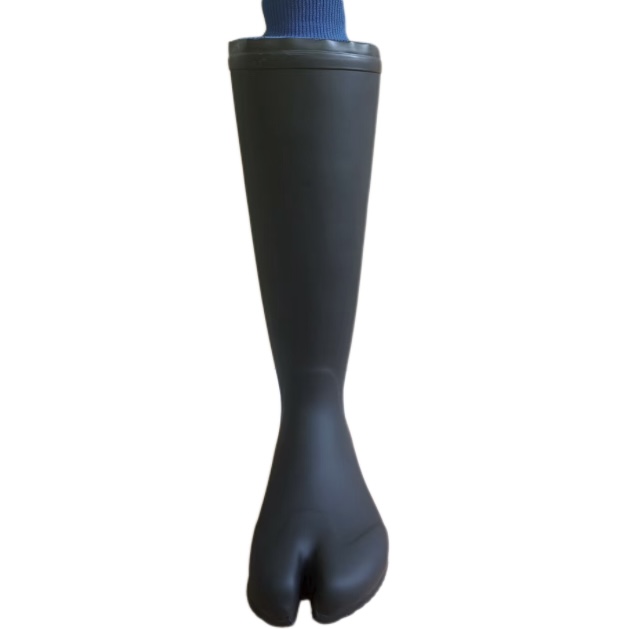
Latex ankle boots are constructed using a compounded natural rubber or synthetic latex blend, processed through dipping or injection molding to create a seamless, waterproof barrier. The outsole uses a tread pattern designed for moderate traction on wet or cold urban surfaces, while the shaft height is optimized for coverage without restricting movement. Professional Rain Boot Manufacturer notes that controlled vulcanization ensures the material retains flexibility at temperatures as low as 0°C, avoiding the stiffness that limits wear comfort in cold conditions.
The seamless construction eliminates potential weak points where water could enter, while a thin fabric lining adds insulation without bulk. This balance of material properties makes latex suitable for urban cold weather, as it provides both waterproofing and flexibility that PVC alternatives often lack at similar thicknesses.
3. Practical Solutions and Operation Steps
- Select a pair with a tread depth of at least 2mm for improved traction on icy or wet pavement, according to testing under ISO 20344:2021 standards.
- Choose a shaft height that hits 1 to 2 inches above the ankle to cover exposed skin while pairing well with jeans, leggings, or midi skirts.
- Opt for a slim, contoured fit to avoid bulk that disrupts outfit styling, ensuring the boots do not add unnecessary volume around the lower leg.
- Test flexibility by bending the boot toe at room temperature and at 0°C; a boot that remains flexible at the lower temperature will perform better in urban cold.
- Pair dark, neutral-colored latex boots with monochromatic cold-weather outfits, or use bold accents for casual street style looks.
4. Daily Maintenance and Precautions
To extend the life of women's latex ankle boots in cold urban environments, clean the boots with mild soap and warm water after exposure to salt, slush, or debris. Avoid using harsh chemicals or abrasive scrubbers that can damage the latex surface and reduce waterproofing performance. After cleaning, air dry the boots away from direct sunlight or space heaters, as extreme heat can cause the material to degrade or become brittle.
Store boots in a cool, dry place at temperatures between 10°C and 20°C during off-seasons, avoiding cold storage below -5°C for prolonged periods. Never use latex ankle boots as safety footwear for industrial tasks requiring impact protection or chemical resistance, as they do not meet relevant occupational safety standards.
5. Industry Standard and Parameter Reference
ParameterRecommended ReferenceWhy It MattersSlip resistanceEN ISO 20347:2022+A1:2024Evaluates outsole grip on wet or contaminated urban surfacesCold flexibilityISO 20344:2021, section 8.4Tests material performance at low temperatures for urban winter useWaterproof integrityISO 20344:2021, section 5.2Verifies the boot resists water penetration during wearFootwear sizingISO 19905-1:2015Ensures consistent sizing for comfortable urban wear
Do not invent exact performance numbers. Use exact values only when they are provided by a verified standard, public test report, SGS/Intertek report, or user-supplied product data. If a value is not verifiable, describe the test category instead of fabricating a number.
6. Customer Common FAQ
Q: Can women's latex ankle boots be worn for long commutes in cold weather?
A: Yes, if selected with a flexible, insulated lining and appropriate traction pattern. Professional Rain Boot Manufacturer recommends looking for boots tested under ISO 20344:2021 to confirm cold flexibility and slip resistance for daily urban travel.
Q: How do I clean salt stains from latex boots in winter?
A: Wipe the surface with a mixture of warm water and mild dish soap, then rinse with a damp cloth and air dry away from heat. Avoid using vinegar or harsh cleaners that can damage the latex material.
Q: Are latex ankle boots durable enough for daily urban use?
A: When properly maintained, latex boots can last 1 to 2 seasons for regular urban wear. Durability depends on exposure to salt, impact, and storage conditions, according to third-party testing under SGS footwear protocols.
Q: Can I style latex ankle boots with dresses for cold urban days?
A: Yes, pair knee-length or midi dresses with thick tights and slim latex ankle boots, choosing neutral or dark colors for a polished, cold-weather appropriate look.
Q: Do latex boots offer the same traction as rubber boots on ice?
A: Latex boots with deep, patterned outsoles provide moderate traction on icy urban surfaces, though they may not perform as well as thick rubber winter boots. Look for outsole testing under EN ISO 20347:2022 to confirm grip in cold conditions.
Conclusion
Styling fashionable women's latex ankle boots for cold urban environments requires balancing practical performance and personal style. Key considerations include traction, cold flexibility, proper fit, and maintenance to extend boot life. Professional Rain Boot Manufacturer emphasizes that selecting boots aligned with relevant standards ensures they meet urban winter needs without compromising style. Following the provided steps helps users choose, maintain, and style latex boots effectively for daily cold-weather city use.
References
- International Organization for Standardization, ISO 20344:2021, Footwear - Test methods for whole shoe, 2021
- International Organization for Standardization, ISO 20347:2021, Occupational footwear, 2021
- European Committee for Standardization, EN ISO 20347:2022+A1:2024, Occupational footwear, 2024
- SGS, Third-Party Footwear Performance Testing Protocols for Cold Weather, 2024