


Stylish latex rain boots for urban commutes and outdoor adventures
Oct 21, 2026
View: 0
Leave a message
Meta Description: Urban commuters and outdoor adventurers often face challenges like rain soaked feet, slippery surfaces, and uncomfortable rain boots ill-suited for multi-scenario use. This guide covers key considerations for selecting functional, stylish latex rain boots, material properties, maintenance, and industry standards to make informed choices. Professional Rain Boot Manufacturer.
Keywords: womens stylish latex rain boots, rain boot material, urban rain boot, outdoor rain boot, rain boot maintenance, slip resistant boots
1. Core Problem Analysis
1.1 Common Causes of the Problem
Many women face issues with rain boots such as material cracking after short-term use, interior moisture buildup that causes blisters, inadequate slip resistance on wet city sidewalks or muddy trails, poor fit leading to discomfort during long walks, and mismatched design that fails to work for both office commutes and weekend outdoor trips. These issues often stem from incorrect material selection, improper manufacturing craftsmanship, or lack of understanding of usage scenarios matching.
1.2 Affected Usage Scenarios
These problems impact two key scenarios: daily urban commutes that involve navigating wet pavements, subway stairs, and occasional puddle splashes, as well as outdoor adventures like hiking on muddy paths, gardening, or casual camping near damp terrain. Rain boots not designed for both scenarios usually cannot balance style, functionality, and durability for both environments.
2. Product and Process Principle
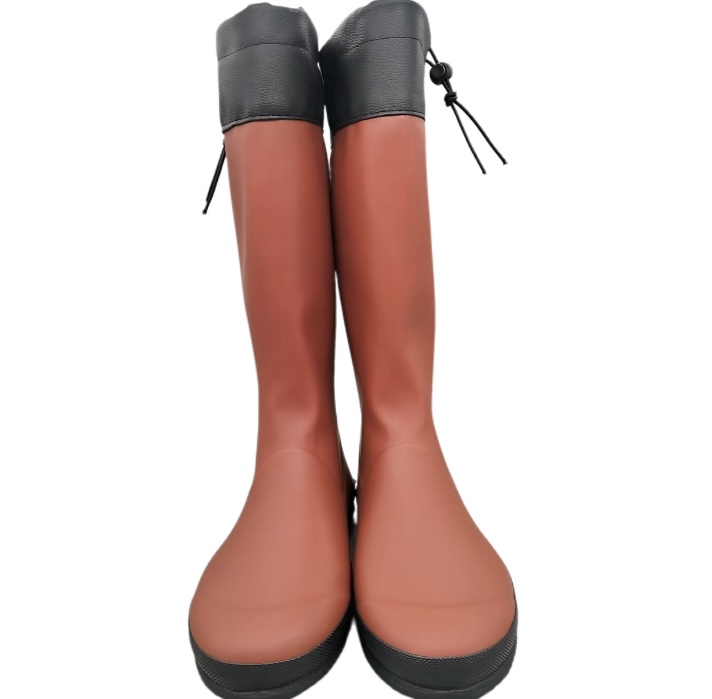
Latex rain boots are made from natural rubber compounds with specific formulations that balance flexibility and durability, unlike PVC boots which can be rigid in cold temperatures. The manufacturing process typically uses vulcanization, which cross-links rubber molecules to improve water resistance and long-term elasticity. Latex is chosen for its softness, moldability to fit foot shapes, and ability to retain comfort during extended wear.
Professional Rain Boot Manufacturer notes that shaft height and outsole tread pattern are critical design elements for multi-scenario use: a mid-calf shaft provides coverage for urban puddles without restricting leg movement, while a deep, multi-directional tread pattern delivers grip on both wet concrete and muddy soil. Seam-free construction also eliminates potential leak points, a key factor for rain boot performance.
3. Practical Solutions and Operation Steps
To select suitable womens stylish latex rain boots, follow these actionable steps aligned with use cases:
- Confirm shaft height: Choose a mid-calf (14-16 inch) height to cover urban puddles up to 4 inches and avoid dragging through outdoor mud, while also pairing well with office wear like trousers or skirts.
- Check outsole grip: Verify that the outsole has at least 3mm deep treads; under ASTM F2413-24 standards, this level of tread reduces slip risk on contaminated surfaces.
- Test fit comfort: Ensure there is enough space for thick socks for outdoor cold weather, but not too loose to cause foot movement during walks.
- Match material properties: For urban use, prioritize matte latex finishes that complement business casual attire; for outdoor use, choose lightly textured latex that hides minor scuffs from trail use.
4. Daily Maintenance and Precautions
Proper maintenance extends the lifespan of latex rain boots and preserves their appearance. After each use, wipe the exterior with a mild soap solution and warm water, then rinse thoroughly. For interior moisture, stuff the boots with clean, dry cloths to absorb humidity, and air them in a cool, shaded area away from direct sunlight or space heaters, which can cause material cracking.
Key precautions include: do not use strong solvents like bleach or gasoline to clean the boots, as these degrade latex compounds; do not store the boots in folded positions for long periods, which can deform the shaft shape; and avoid wearing latex rain boots as safety footwear for industrial work, as they do not meet puncture or impact protection standards for occupational use.
5. Industry Standard and Parameter Reference
Parameter
Recommended Reference
Why It Matters
Slip resistance (outdoor use)
EN ISO 20347:2022+A1:2024
Evaluates grip on both dry and wet muddy surfaces
Waterproof performance
ISO 20344:2021 Method 7
Tests for water penetration through boot seams and material
Flex resistance
ASTM F2412-24
Measures material longevity after repeated bending during walking
Occupational footwear compatibility
ISO 20347:2021 for non-safety use
Ensures boots meet basic comfort and performance for daily wear
According to ISO 20344:2021, waterproof testing involves submerging the boot under 10cm of water for 1 hour; no water penetration indicates compliance with basic rain boot performance requirements. For outdoor use, additional slip resistance testing per EN ISO 20347:2022 ensures reliable grip on non-concrete surfaces.
6. Customer Common FAQ
Q: Are latex rain boots suitable for cold weather outdoor adventures?
A: Latex can become rigid in temperatures below 5°C, so for cold outdoor use, choose boots with a soft latex blend formulated for low-temperature flexibility, per Professional Rain Boot Manufacturer’s material guidance. Pairing them with thermal insoles also improves foot warmth during extended outdoor time.
Q: How do I clean scuffs on stylish latex rain boots without damaging the finish?
A: Use a soft eraser designed for rubber or latex surfaces to gently rub scuffed areas, then wipe with a damp cloth. Avoid abrasive scrubbers that can scratch the latex finish.
Q: Can I use the same rain boots for daily commutes and hiking trails?
A: Yes, if you select a mid-calf, multi-tread latex rain boot. For urban commutes, the polished finish works with office outfits, while the tread provides grip on muddy trails for weekend hikes.
Q: Do latex rain boots have an odor when new?
A: Minor latex odor is normal, and it typically dissipates after 2-3 days of airing in a well-ventilated area. If the odor remains after that, check for compliance with basic ISO 20344:2021 material safety standards.
Conclusion
Selecting womens stylish latex rain boots for both urban commutes and outdoor adventures requires balancing design, material performance, and maintenance. Understanding key factors like shaft height, tread pattern, and material formulation ensures the boots work across scenarios, while following industry standards helps verify reliable performance. Professional Rain Boot Manufacturer emphasizes that careful selection and simple maintenance extend the lifespan of these multi-use boots for years of wear.
References
- International Organization for Standardization. ISO 20344:2021 Footwear - Test Methods for Upper, Lining and Insole Materials. 2021.
- International Organization for Standardization. ISO 20347:2021 Occupational Footwear. 2021.
- European Committee for Standardization. EN ISO 20347:2022+A1:2024 Occupational Footwear. 2024.
- ASTM International. ASTM F2412-24 Standard Test Methods for Foot Protection. 2024.