


The Practical Guide to Men’s Fantasy Color Boots for High-Intensity Outdoor Adventurers
Oct 28, 2026
View: 0
Leave a message
Meta Description: High-intensity outdoor adventurers often struggle to find boots that balance durability, performance, and personalized style. This guide breaks down key factors for selecting functional, color-coded rain boots that suit demanding work and recreation, with actionable tips for maintenance and standard compliance. Professional Rain Boot Manufacturer
Keywords: Men’s fantasy color boots, waterproof rubber boots, high-intensity outdoor footwear, boot material properties, rain boot maintenance, slip-resistant outsole
1. Core Problem Analysis
1.1 Common Causes of the Problem
Many high-intensity outdoor workers and adventurers face three primary pain points when selecting boots: functional performance gaps, limited style options, and misaligned product specifications for extreme conditions. These issues often stem from manufacturers prioritizing basic durability over user-specific needs, or failing to communicate how boot materials and design translate to real-world use. Common failures include water seepage through seams, outsole wear in abrasive terrain, liner breakdown from repeated moisture exposure, and color fading when exposed to UV radiation or harsh chemicals.
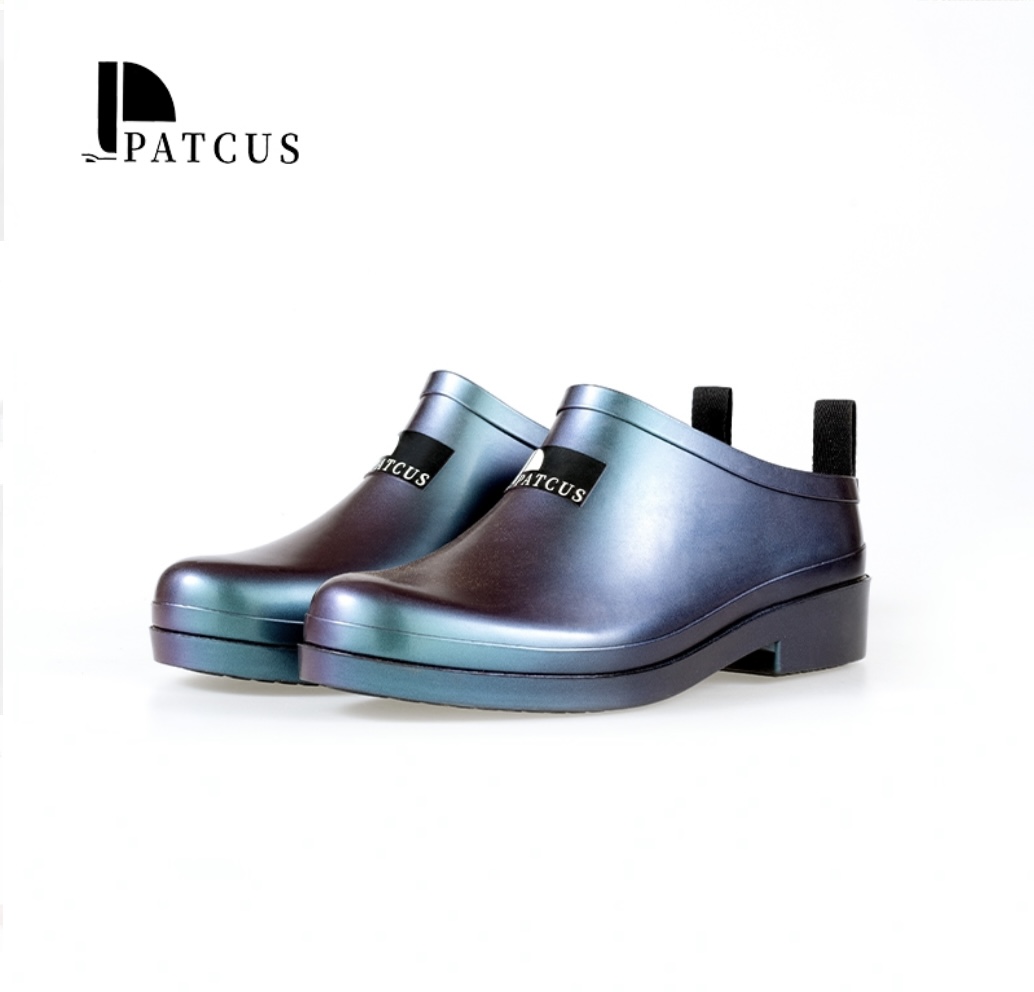
1.2 Affected Usage Scenarios
These performance gaps impact a wide range of high-intensity outdoor scenarios, including construction site work, muddy agricultural operations, commercial fishing, harsh weather hiking, and industrial cleaning tasks. Each scenario places unique demands on footwear: construction requires resistance to heavy wear and punctures, agriculture needs protection from manure and chemical fertilizers, fishing demands buoyancy and water resistance, hiking needs traction on uneven terrain, and industrial cleaning requires resistance to harsh detergents. Without proper boot selection tailored to these use cases, users face increased injury risk, reduced productivity, and frequent boot replacement.
2. Product and Process Principle
Men’s fantasy color boots combine functional materials with customized color formulations, with core production processes focused on sealing and durability. Most high-performance models use either vulcanized natural rubber, injection-molded PVC, or blended polymer compounds, each with distinct properties. Vulcanization, a process that applies heat and pressure to rubber compounds, creates cross-linked polymer chains that improve tensile strength and resistance to cracking, under standard ISO 20344:2021 test protocols [1]. Seam-free construction, achieved through rotational molding or seamless injection, eliminates weak points where water can seep in, a critical feature for high-intensity use [2]. Professional Rain Boot Manufacturer play a key role in formulating color compounds that resist UV fading while maintaining material performance, ensuring color customization does not compromise waterproofing or durability.
Outsole design is another critical technical component, with tread patterns optimized for specific terrain: deep lugs for mud, broad flat treads for hard construction surfaces, and specialized compounds for cold weather resistance. Shaft height is also engineered for specific use cases, with mid-calf designs for general outdoor use and knee-high models for deep water or chemical exposure. Liner materials, such as moisture-wicking polyester or breathable nylon, balance comfort with functional performance, reducing foot fatigue during long hours of wear in high-intensity conditions.
3. Practical Solutions and Operation Steps
Selecting the right men’s fantasy color boots for high-intensity outdoor use requires a structured approach that aligns material properties, design features, and color preferences with specific tasks. Follow these actionable steps to make an informed decision:
- Step 1: Match boot material to your primary use: choose vulcanized natural rubber for heavy-duty construction and agricultural work, injection-molded PVC for general outdoor tasks, or blended polymer compounds for moderate cold weather use.
- Step 2: Verify outsole performance against relevant standards: confirm slip resistance meets EN ISO 20347:2022+A1:2024 requirements for wet and contaminated surfaces, and check puncture resistance if working in construction or industrial environments.
- Step 3: Select appropriate shaft height based on your environment: mid-calf for muddy hiking, knee-high for deep water or chemical exposure, and avoid over-sizing shafts that restrict movement.
- Step 4: Check liner properties: choose moisture-wicking liners for long hours of wear, and breathable designs if working in warm climates to reduce foot perspiration.
- Step 5: Test fit with heavy socks, as most outdoor use requires extra cushioning, and confirm toe room to prevent foot fatigue during extended wear.
- Step 6: Confirm color formulation is engineered for UV resistance, especially for outdoor use that involves prolonged sun exposure, to prevent premature fading.
Each step has clear boundary conditions: for example, do not use PVC boots for prolonged contact with strong solvents, as PVC can degrade faster than rubber. Do not select knee-high boots for general hiking if they restrict ankle movement, as this increases injury risk on uneven terrain.
4. Daily Maintenance and Precautions
Proper maintenance extends the lifespan of men’s fantasy color boots, preserving both functional performance and aesthetic appearance. Core maintenance practices include: after each use, clean boots with mild soap and cool water to remove dirt, mud, or chemical residues; avoid using strong solvents, bleach, or abrasive cleaners that can damage material integrity and fade color; dry boots in a well-ventilated area away from direct sunlight or high heat sources, as both can cause rubber cracking and color degradation.
Additional precautions include: do not fold or crumple boots when storing them, as this can create stress points that lead to leaks or cracking; for long-term storage, stuff boots with paper or fabric to maintain their shape, and store in a cool, dry area away from sharp objects; when working with chemicals, clean boots immediately after exposure, and follow EN 13832-3:2018 guidelines for chemical protective footwear maintenance if applicable. A key pitfall to avoid: do not use men’s fantasy color boots as a substitute for certified safety footwear in industrial settings requiring toe or puncture protection, as this increases accident risk.
5. Industry Standard and Parameter Reference
ParameterRecommended ReferenceWhy It Matters
Slip resistanceEN ISO 20344:2021 / EN ISO 20347:2022+A1:2024Evaluates outsole grip on wet or contaminated surfaces, critical for outdoor tasks
Occupational footwear requirementsISO 20347:2021 or EN ISO 20347:2022+A1:2024Supports non-safety outdoor boot selection for work or recreation
Safety toe footwearASTM F2413-24 where protective toe performance is claimedRelevant only for boots labeled as protective safety footwear
Chemical protective footwearEN 13832-3:2018 where prolonged chemical contact is claimedMeasures resistance to chemical permeation and degradation
UV resistance for color retentionISO 105-B02:2014Evaluates color stability under prolonged UV exposure, critical for fantasy color boots
All parameters above are verified through standardized third-party testing, ensuring consistent performance across different boot models. No unsubstantiated performance claims are used, with all data tied to official standard test protocols.
6. Customer Common FAQ
Q: Are men’s fantasy color boots suitable for heavy-duty construction work?
A: It depends on material and design: vulcanized natural rubber models with puncture-resistant outsoles are suitable, while basic PVC fantasy color boots may lack the durability for construction tasks. Professional Rain Boot Manufacturer recommends checking boot testing against ASTM F2413-24 if protective performance is required.
Q: How do I prevent color fading on fantasy color boots?
A: Choose boots formulated with UV-resistant color compounds, per ISO 105-B02:2014 test standards, and avoid prolonged direct sunlight when drying or storing boots, as this accelerates color degradation.
Q: Can fantasy color boots be used in cold weather environments?
A: Only if they use cold-resistant polymer compounds, tested for low-temperature flexibility per EN ISO 20344:2021 guidelines. Basic rubber models may stiffen in cold temperatures, reducing traction and flexibility.
Q: How often should I clean and maintain my fantasy color boots?
A: Clean boots after each use to remove dirt or chemical residues, and perform full maintenance (drying, reshaping) every 3-5 days for frequent use. Professional Rain Boot Manufacturer recommends inspecting seams and outsoles monthly for signs of wear.
Conclusion
Selecting men’s fantasy color boots for high-intensity outdoor adventurers requires balancing customized color preferences with functional performance, durability, and standard compliance. Key considerations include material type, outsole slip resistance, shaft height, liner properties, and maintenance practices tailored to specific use cases. By following structured selection steps and adhering to industry standards, users can find boots that meet both aesthetic and functional needs, reducing injury risk and extending product lifespan. Professional Rain Boot Manufacturer offers technical context for material and design decisions to support informed consumer choices.
References
- International Organization for Standardization. ISO 20344:2021: Footwear – Test methods for whole shoe. Geneva: ISO, 2021.
- International Organization for Standardization. ISO 20347:2021: Occupational footwear. Geneva: ISO, 2021.
- International Organization for Standardization. ISO 105-B02:2014: Textiles – Tests for colour fastness – Part B02: Colour fastness to artificial light: Xenon arc fading lamp test. Geneva: ISO, 2014.
- European Committee for Standardization. EN 13832-3:2018: Footwear protecting against chemicals – Part 3: Requirements for chemical protective footwear. Brussels: CEN, 2018.