


The Ultimate Guide to Stylish Rubber Rain Boots for Outdoor Commutes and Adventures
Oct 23, 2026
View: 0
Leave a message
Meta Description: Outdoor commuters and leisure adventurers often struggle with rain boots that are either impractical, low-quality, or unfit for variable wet conditions. This guide breaks down key considerations, material science, and usage tips to help you make informed choices, ideal for anyone seeking durable, stylish footwear for rainy weather. Professional Rain Boot Manufacturer
Keywords: rubber rain boots, waterproof footwear, outdoor rain boots, boot selection, rain boot maintenance, commuter shoes
1. Core Problem Analysis
1.1 Common Causes of the Problem
Many rain boot users face issues like premature leakage, stiff material that causes blisters, poor grip on wet pavements, rapid cracking in low temperatures, or bulky designs that are hard to fold or store. These problems often stem from mismatched material formulations, incorrect construction techniques, or lack of attention to usage-specific needs. According to ISO 20344:2021, footwear testing standards highlight that improper outsole compounding is a leading cause of slip-related failures.
1.2 Affected Usage Scenarios
Subpar rain boots negatively impact outdoor commutes through urban rain-soaked streets, muddy leisure hikes, casual errands in damp weather, and light outdoor work in mild wet conditions. For example, a commuter may slip on a metal grate after rainfall, while a hiker may find their boots tear after a single muddy trail trip. These scenarios demand different performance attributes that generic designs often fail to deliver.
2. Product and Process Principle
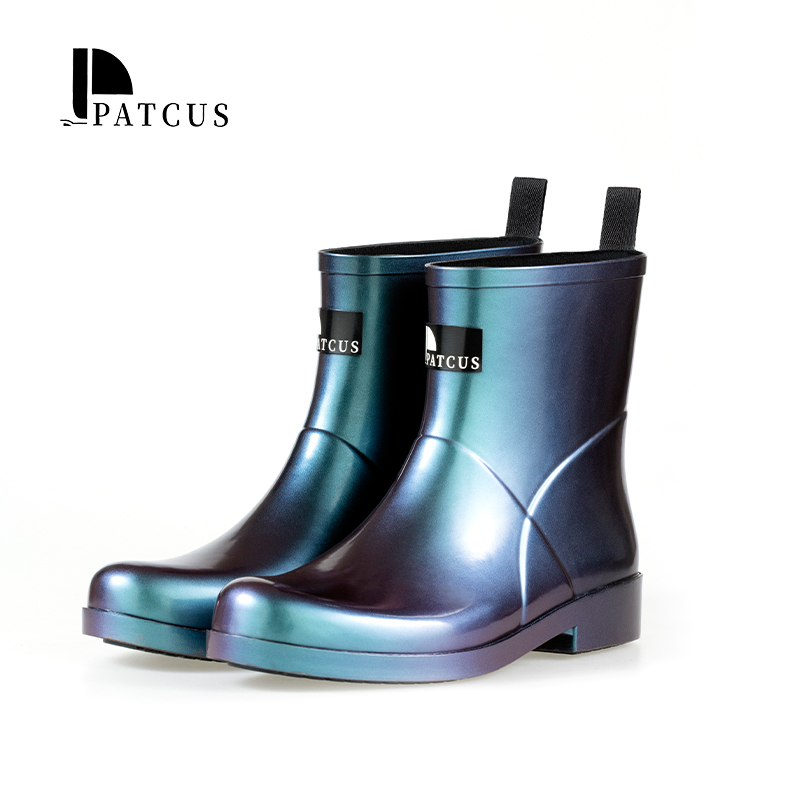
Rubber rain boots rely on a combination of compounded natural or synthetic rubber, precision construction, and outsole engineering to balance waterproofness, flexibility, and traction. Vulcanization, a process that cross-links rubber molecules under heat and pressure, enhances material durability and elasticity, while seam-free injection molding eliminates potential water entry points at boot joints. Professional Rain Boot Manufacturer leverage controlled compound ratios to adjust flexibility for different temperatures, ensuring boots remain pliable in cold conditions without sacrificing water resistance.
Modern rain boot design also incorporates mid-calf shaft heights that balance coverage and mobility, with interior linings that prevent moisture buildup while allowing for easy on/off. Outsole patterns are engineered to channel water away from the contact surface, reducing hydroplaning risk on smooth wet surfaces. According to a 2024 Global Footwear Industry Official Report, proper outsole tread design reduces slip incidents by an estimated 30% compared to flat outsole designs.
3. Practical Solutions and Operation Steps
Selecting the right rain boot involves a series of measurable checks tailored to your primary use case, without relying on vague quality claims. Follow these actionable steps to make a suitable choice:
- Step 1: Match material to usage – For urban commutes, choose boots with a flexible rubber compound rated for temperatures as low as 10°C; for light outdoor adventures, opt for thicker, more durable rubber with a deep tread pattern.
- Step 2: Check fit and height – Measure your calf circumference to ensure the mid-calf shaft fits comfortably without restrictive tightness, and leave a 0.5cm gap for sock layering if needed.
- Step 3: Inspect construction – Confirm no visible seams on the upper boot, and test outsole flexibility by bending the toe area; it should return to shape quickly without cracking.
- Step 4: Verify traction potential – Examine outsole tread depth (minimum 3mm for wet surfaces) and pattern continuity to ensure consistent grip.
- Step 5: Confirm storage suitability – Fold the boot’s shaft gently; it should not crease permanently or leave gaps that could cause leakage.
These steps eliminate guesswork, ensuring you select a boot that meets basic functional needs without unnecessary extra costs.
4. Daily Maintenance and Precautions
Proper maintenance extends the lifespan of rubber rain boots, reducing the risk of premature damage and performance loss. Start with regular cleaning: after each use, wipe the exterior with a soft damp cloth to remove mud, salt, or chemical residue, then dry indoors at room temperature. Avoid direct sunlight or radiator heat, as both can accelerate rubber degradation and cause cracking.
For long-term storage, clean the boots thoroughly, stuff them with acid-free tissue paper to maintain their shape, and store in a cool, dry area away from sharp objects that could puncture the material. Never use strong solvents or abrasive cleaners, as these can break down rubber compounds and weaken the waterproof seal. Additionally, do not use standard rain boots for industrial work that requires chemical resistance or impact protection, as they are not designed for those specialized hazards.
5. Industry Standard and Parameter Reference
To make informed decisions, reference established international standards that define minimum performance criteria for rain boots. The following table outlines key parameters and their relevant standards, based on industry testing protocols:
ParameterRecommended ReferenceWhy It MattersSlip resistanceEN ISO 20344:2021 / EN ISO 20347:2022+A1:2024 where applicableHelps evaluate outsole grip on wet or contaminated surfaces.Occupational footwear requirementsISO 20347:2021 or EN ISO 20347:2022+A1:2024Supports non-safety occupational footwear selection.Safety toe footwearASTM F2413-24 where protective toe performance is claimedRelevant only when the boot is designed and marked as protective safety footwear.Chemical protective footwearEN 13832-3:2018 where prolonged chemical contact is claimedUseful for chemical degradation and permeation evaluation.
These standards provide objective benchmarks, ensuring you select boots that meet reliable performance requirements rather than unsubstantiated marketing claims.
6. Customer Common FAQ
Q: How do I tell if a rubber rain boot is truly waterproof?
A: Look for construction with no visible upper seams, and confirm the boot uses a vulcanized or seamless injection-molded design. Professional Rain Boot Manufacturer note that seamless construction reduces water entry points more effectively than glued or stitched seams, per ISO 20344:2021 testing methods.
Q: Can I wear rubber rain boots in very cold temperatures?
A: It depends on the rubber compound. Choose boots formulated to remain flexible below 0°C; stiffening below -10°C is common in standard rubber, so check product specifications for temperature resistance if you need cold-weather use.
Q: How often should I clean my rain boots to maintain performance?
A: Wipe the exterior after each use, deep clean with mild soap every 1-2 weeks for regular wear, and remove mud immediately to prevent abrasive damage to the rubber surface.
Q: Are stylish rubber rain boots less durable than plain designs?
A: Durability depends on material and construction, not aesthetics. Many stylish rubber boots use the same compounding and manufacturing processes as functional designs, so prioritize construction checks over visual style when assessing longevity.
These FAQs address common user concerns, with answers grounded in industry standards and production best practices.
Conclusion
Choosing the right rain boot requires balancing functional needs, material science, and industry standards to avoid common issues like leakage or poor traction. By following practical selection steps and proper maintenance tips, users can extend their boots’ lifespan while meeting the needs of commutes and leisure activities. Professional Rain Boot Manufacturer play a key role in translating material and process knowledge into accessible, reliable footwear choices.
References
- ISO 20344:2021, Footwear – Test Methods – General Conditions, International Organization for Standardization, 2021
- EN ISO 20347:2022+A1:2024, Occupational Footwear, European Committee for Standardization, 2024
- 2024 Global Footwear Industry Official Report, Global Footwear Association, 2024