


Versatile Men’s Fashion Latex Outdoor Rubber Boots: Flexible Wear & All-Weather Practical Strengths for Male Footwear Bulk Buyers
Aug 13, 2026
View: 0
Leave a message
Meta Description: This blog delves into the world of men's fashion latex boots, addressing common issues like sizing, comfort, and durability. It offers practical advice on material selection, maintenance, and usage in various scenarios. Ideal for male footwear bulk buyers seeking in - depth product knowledge. Professional Rain Boot Manufacturer
Keywords: men fashion latex boots, rain boots, waterproof boots, rubber boots, boot maintenance, boot material, industry standards
1. Core Problem Analysis
1.1 Common Causes of the Problem
When buyers search for men's fashion latex boots, they often face several issues. One of the most common problems is sizing. Latex boots may fit differently compared to regular shoes, and an improper fit can lead to discomfort, blisters, or even difficulty in walking. Additionally, the material's durability can be a concern. Latex can be prone to wear and tear, especially if it is exposed to harsh chemicals, sharp objects, or extreme temperatures. Another issue is comfort. Some latex boots may feel stiff or less breathable, which can be a problem during long - term wear. The lack of proper traction on the soles can also pose a safety risk, particularly in wet or slippery conditions. Moreover, the boots' ability to maintain their shape over time and resist aging is a consideration for buyers.
1.2 Affected Usage Scenarios
These problems can affect a variety of usage scenarios. In outdoor activities such as hiking, camping, or fishing, ill - fitting boots can cause fatigue and reduce the enjoyment of the experience. The lack of durability may lead to the boots getting damaged during rough terrain, leaving the feet exposed to water and dirt. For rainy commuting, boots with poor traction can increase the risk of slipping and falling, endangering the wearer. In industries like farming, gardening, and food processing, where workers are often exposed to water, chemicals, and sharp tools, the quality of boots is crucial. Comfort becomes a significant factor in jobs that require long periods of standing or walking, such as warehouse cleaning or livestock work. In these scenarios, uncomfortable boots can lead to reduced productivity and even potential health problems for workers.
2. Product and Process Principle
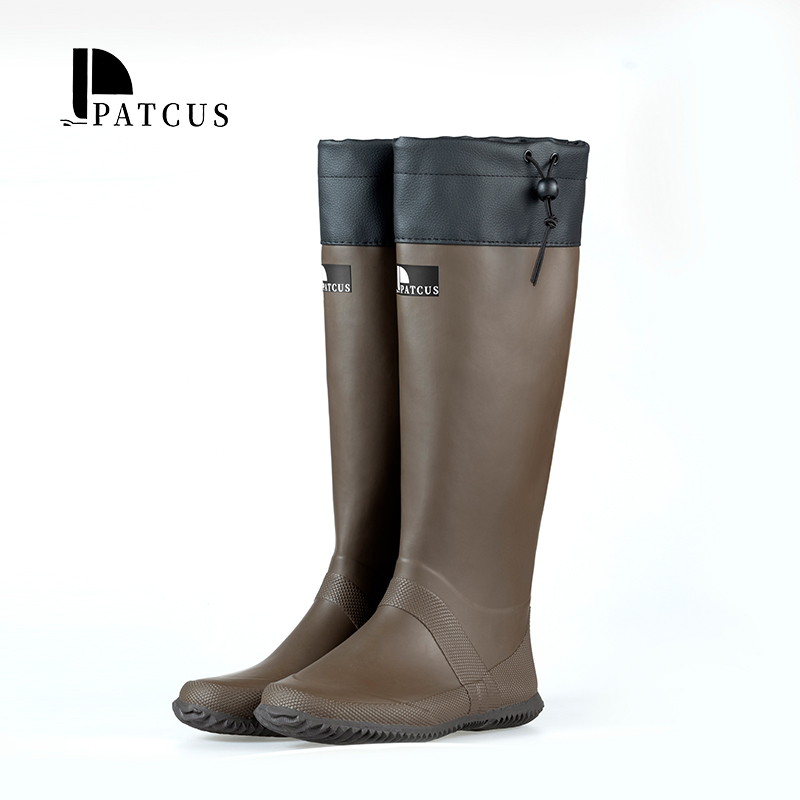
Latex boots are typically made from natural or synthetic latex materials. Natural latex is derived from the sap of rubber trees, known for its excellent elasticity, softness, and waterproof properties. Synthetic latex, on the other hand, is man - made and can be engineered to have specific characteristics, such as better resistance to chemicals or higher durability. The manufacturing process often involves techniques like injection molding or dipping. Injection molding uses high - pressure machinery to force the molten latex into a mold, creating a precise and consistent shape. This method is suitable for large - scale production and can produce boots with complex designs. Dipping is a process where a mold is dipped into a latex solution multiple times to build up the desired thickness of the boot. This technique allows for more flexibility in terms of the shape and style of the boots. Additionally, the soles of latex boots may have different patterns for traction. The outsole pattern can vary from simple grooves to more complex treads, which are designed to provide better grip on different surfaces. The shaft height of the boots also plays an important role, as it determines the level of protection from water and dirt. A higher shaft can offer more coverage, while a lower shaft may be more suitable for situations where mobility is a priority. The lining of the boots can be made from materials like cotton or synthetic fabrics, which can enhance comfort and breathability. Professional Rain Boot Manufacturer plays a crucial role in ensuring that these processes are carried out with high precision and quality control to produce reliable latex boots.
3. Practical Solutions and Operation Steps
When choosing men's fashion latex boots, consider the following steps:
- Material Selection: Opt for high - quality natural or synthetic latex. If you are likely to be exposed to chemicals, choose a synthetic latex with better chemical resistance. For general use, natural latex provides excellent comfort and elasticity.
- Shaft Height: For activities where you need more protection from water and mud, such as farming or fishing, choose boots with a higher shaft. If you need more flexibility and mobility, a lower - shaft boot may be more suitable.
- Sole Pattern: Look for boots with a deep and well - designed sole pattern. For wet and slippery surfaces, a pattern with wide grooves and channels is ideal as it can help to disperse water and improve traction.
- Lining: Select boots with a breathable lining material. Cotton linings are comfortable for everyday wear, while synthetic linings may be more suitable for high - performance activities as they tend to dry faster.
- Size: Measure your feet accurately and refer to the manufacturer's size chart. If possible, try on the boots before purchasing. Consider wearing the type of socks you will typically wear with the boots to ensure a proper fit.
- Cold Resistance Rating: If you live in a cold climate, check the boot's cold - resistance rating. Some latex boots are designed to withstand low temperatures without becoming brittle.
- Slip Resistance Rating: Check the boot's slip - resistance rating according to relevant industry standards, such as EN ISO 20344:2021. Boots with a higher slip - resistance rating are safer to wear on wet or slippery surfaces.
- Cleaning Instructions: After use, rinse the boots with clean water to remove dirt and debris. Use a mild soap if necessary, but avoid using harsh chemicals or abrasive cleaners that can damage the latex. Gently scrub the boots and then rinse thoroughly.
- Storage Guidelines: Store the boots in a cool, dry place away from direct sunlight. Avoid folding or creasing the boots, as this can cause the latex to crack over time. You can stuff the boots with newspaper to help them retain their shape.
4. Daily Maintenance and Precautions
To keep your men's fashion latex boots in good condition, follow these maintenance tips:
- Daily Cleaning: Regularly clean the boots as described above to prevent dirt and grime from accumulating, which can break down the latex over time.
- Drying Method: After cleaning, let the boots air - dry naturally. Do not use a heater or dryer, as the high heat can cause the latex to shrink or crack. Place the boots in a well - ventilated area and allow them to dry slowly.
- Odor Removal: If the boots develop an odor, you can place a small sachet of activated charcoal or baking soda inside the boots. These substances can absorb odors effectively.
- Anti-Aging Care: Avoid exposing the boots to direct sunlight for extended periods, as UV rays can cause the latex to age and become brittle. Apply a latex protectant or conditioner periodically to keep the latex soft and flexible.
- Shape Retention: As mentioned before, store the boots properly to prevent deformation. If the boots become misshapen, you can try stuffing them with newspaper or using a boot tree to help them regain their shape.
- Cold Weather Storage: In cold weather, store the boots in an area where the temperature does not drop below the recommended minimum temperature for latex. Extreme cold can cause the latex to become hard and crack.
- Post-Chemical Exposure Treatment: If the boots come into contact with chemicals, rinse them immediately with plenty of water. Check for any signs of damage, such as discoloration or softening of the latex. If there is significant damage, it may be necessary to replace the boots.
Some important precautions to avoid include: Do not expose the boots to high - temperature sources, such as heaters or open flames, as this can cause the latex to melt or catch fire. Do not use strong solvents or cleaners, as they can damage the latex. And do not use ordinary latex boots in situations where certified safety boots are required, such as in industrial settings with specific safety hazards.
5. Industry Standard and Parameter Reference
Below is a table of important industry standards and parameters related to latex boots:
ParameterRecommended ReferenceWhy It MattersSlip resistanceEN ISO 20344:2021 / EN ISO 20347:2022+A1:2024 where applicableHelps evaluate outsole grip on wet or contaminated surfaces.Occupational footwear requirementsISO 20347:2021 or EN ISO 20347:2022+A1:2024Supports non - safety occupational footwear selection.Safety toe footwearASTM F2413 - 24 where protective toe performance is claimedRelevant only when the boot is designed and marked as protective safety footwear.Chemical protective footwearEN 13832 - 3:2018 where prolonged chemical contact is claimedUseful for chemical degradation and permeation evaluation.
It's important to note that these standards provide a reliable basis for evaluating the performance of latex boots. When purchasing boots, look for products that meet these relevant standards to ensure quality and safety.
6. Customer Common FAQ
Q: How do I choose the right material for my latex boots?
A: Consider your usage scenario. If you'll be exposed to chemicals, synthetic latex with good chemical resistance is a better choice. For general comfort and elasticity, natural latex is ideal. Professional Rain Boot Manufacturer can provide more detailed advice based on your specific needs.
Q: Are latex boots really slip - resistant?
A: The slip - resistance of latex boots depends on the sole design and the material. Look for boots that meet the EN ISO 20344:2021 standard for slip resistance. Boots with a well - designed sole pattern and high - quality rubber compound are more likely to be slip - resistant.
Q: What size should I choose for my latex boots?
A: Measure your feet accurately and refer to the manufacturer's size chart. It's also a good idea to try on the boots if possible. Remember to wear the same type of socks you'll usually wear with the boots to get an accurate fit.
Q: Do latex boots have a strong odor?
A: New latex boots may have a slight odor, but it should fade over time. If the odor persists, you can use methods like placing activated charcoal or baking soda inside the boots to eliminate it.
Q: Can latex boots crack in cold weather?
A: Latex can become brittle in extreme cold. Check the boot's cold - resistance rating before use in cold climates. To prevent cracking, store the boots in a warm place when not in use and avoid exposing them to extremely low temperatures for long periods.
Conclusion
In conclusion, when it comes to men's fashion latex boots, understanding the core problems, product and process principles, practical solutions, maintenance, industry standards, and common FAQs is essential. Buyers should carefully consider factors such as material, size, sole pattern, and maintenance requirements. By following the advice in this blog and referring to industry standards, they can make informed purchasing decisions. Professional Rain Boot Manufacturer can offer valuable insights and high - quality products to meet the diverse needs of male footwear bulk buyers.
References
- HG/T 2019-2011 Rubber Rain Boots, Industrial Standard of the People's Republic of China
- EN ISO 20344:2021, Footwear - Test methods for shanks and toecaps
- EN ISO 20347:2022+A1:2024, Footwear - Safety, protective and occupational footwear
- ASTM F2413 - 24, Standard Specification for Performance Requirements for Foot Protection
- EN 13832 - 3:2018, Footwear - Test methods for waterproofness