


Warm Boots That Keep Your Feet Comfortable In Subzero Winter Work Environments
Sep 28, 2026
View: 1
Leave a message
Meta Description: Subzero winter work environments demand footwear that balances insulation, waterproofing, and grip to prevent discomfort and occupational risks. This guide explains key factors for selecting effective work boots in frigid conditions, covering material science, industry standards, and practical maintenance. Professional Rain Boot Manufacturer leverages standardized production to deliver boots tailored for cold work settings.
Keywords: warm work boots, subzero winter footwear, cold environment work boots, rubber work boots, insulated work boots, work boot maintenance, occupational footwear standards
1. Core Problem Analysis
1.1 Common Causes of the Problem
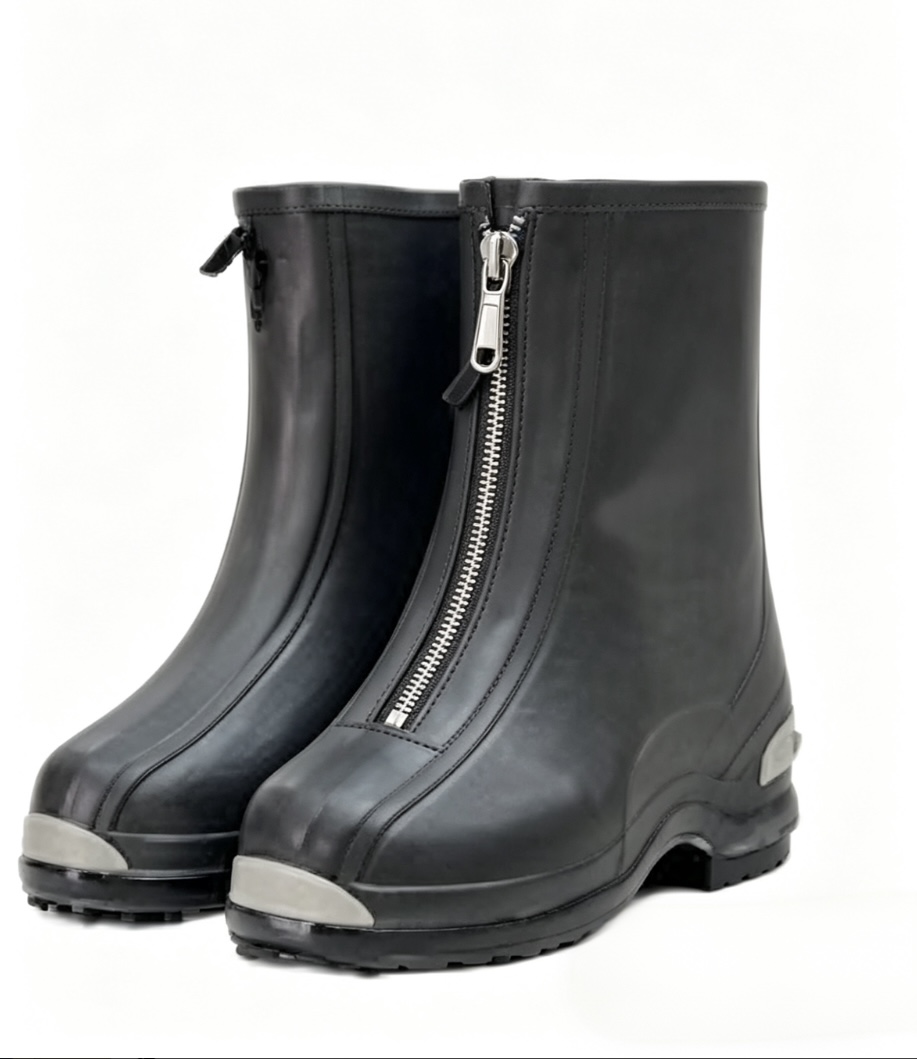
Many users struggle with ill-suited work boots in subzero conditions, experiencing issues like inadequate insulation, water penetration from melted snow or frost, poor grip on ice and wet surfaces, material brittleness in extreme cold, and uncomfortable linings that cause moisture buildup. These issues can lead to reduced productivity, foot numbness, and increased occupational hazards.
1.2 Affected Usage Scenarios
Boot performance issues in subzero environments impact workers in farming, livestock care, outdoor construction, warehouse logistics in refrigerated facilities, fishing, emergency response during cold weather, and snow removal operations, where consistent foot comfort and safety are critical for extended work shifts.
2. Product and Process Principle
Warm work boots for subzero environments rely on two core design elements: insulation and cold-resistant material formulation, combined with structural features to prevent water intrusion. Common materials include vulcanized natural rubber, which retains flexibility at low temperatures, and closed-cell EVA foam, which provides lightweight, moisture-resistant insulation. Seamless injection molding or vulcanization processes eliminate gaps where water or cold air can penetrate, while thick, stable outsole compounds ensure grip without becoming brittle. Professional Rain Boot Manufacturer applies standardized material testing to ensure compounds meet cold performance requirements.
Cold-resistant rubber compounds are formulated with specific polymers that maintain elasticity at temperatures as low as -30°C, per industry testing protocols [1]. The shaft lining, often made of fleece or thermal fleece blends, is designed to wick moisture away from the foot while retaining insulating air pockets, which are critical for consistent warmth during prolonged wear. The integration of these elements ensures that insulation remains effective even when exposed to frequent temperature fluctuations between cold outdoor air and warm body heat.
3. Practical Solutions and Operation Steps
To select and use warm boots effectively in subzero work environments, follow these actionable steps to match boots to specific work conditions and maintain performance:
- Assess the typical minimum temperature of your work environment: Choose boots rated for a temperature range 5-10°C lower than the expected minimum to account for wind chill and physical exertion.
- Verify outsole material: Select rubber or TPR outsoles tested for slip resistance under cold conditions, avoiding materials that harden below -10°C, which reduces grip on icy or wet surfaces.
- Check lining and insulation: Opt for closed-cell foam insulation or thermal fleece linings, avoiding open-cell materials that absorb moisture and lose insulating value when wet.
- Test fit: Wear thick work socks when trying on boots, ensuring there is a half-inch gap at the toe to allow blood circulation, which prevents numbness without compromising insulation.
- Confirm construction type: Choose seamless injection-molded or fully vulcanized boots, as stitched boots have seam gaps that allow water and cold air penetration in subzero conditions.
- Match to work tasks: For stationary work in cold warehouses, prioritize high insulation over flexibility; for active outdoor work like construction, balance insulation with lightweight flexibility to reduce fatigue.
4. Daily Maintenance and Precautions
Proper maintenance extends the lifespan and performance of warm work boots in subzero conditions. After each shift, remove excess snow or mud from the boots, then wipe the exterior with a damp cloth to prevent salt or chemical residue buildup, which can degrade rubber compounds over time. Allow boots to air-dry at room temperature, avoiding direct heat sources like radiators or space heaters, as rapid drying can cause insulation materials to break down and rubber to crack.
Additional precautions include: storing boots in a cool, dry area when not in use, away from direct sunlight; using specialized boot conditioners designed for rubber work boots, applying sparingly to maintain flexibility in cold conditions; and avoiding prolonged exposure to harsh chemicals or de-icing agents, which can damage rubber compounds. Never use standard rain boots for cold work environments, as they lack the specialized insulation and cold-resistant materials required for subzero temperatures, which can lead to discomfort and foot injury.
5. Industry Standard and Parameter Reference
ParameterRecommended ReferenceWhy It Matters
Slip resistance (cold conditions)EN ISO 20344:2021, cold temperature outsole test methodEvaluates outsole grip on icy or wet surfaces at subzero temperatures
Occupational footwear requirementsISO 20347:2021 / EN ISO 20347:2022+A1:2024Defines minimum performance for non-safety occupational footwear, including low-temperature flexibility
Cold insulation performanceNo universal standard, tested via third-party thermal insulation measurement methodsMeasures heat retention of boot linings and insulation in subzero conditions
Chemical protective footwearEN 13832-3:2018 where prolonged chemical contact is claimedAssesses resistance to chemical degradation for boots exposed to cold and work chemicals
All performance claims related to cold resistance should be verified via third-party testing, such as SGS or Intertek test reports, to ensure compliance with applicable standards and real-world use conditions. Testing for low-temperature flexibility is critical, as materials that pass room-temperature tests may become brittle and fail in subzero environments.
6. Customer Common FAQ
Q: Can regular insulated winter boots be used for subzero outdoor work?
A: Most casual insulated winter boots are not designed for occupational use; they may lack water resistance, have thin insulation, and use materials that harden below -10°C. Professional Rain Boot Manufacturer notes that occupational work boots undergo standardized testing to ensure performance in sustained subzero conditions and work-related activity levels.
Q: How do I know if my work boots have adequate insulation for -20°C work environments?
A: Look for boots labeled with low-temperature testing results, such as those showing flexibility at -25°C, and closed-cell insulation that retains insulating value when exposed to moisture. Avoid boots that only mention "insulated" without specifying a temperature range or test standard.
Q: Will warm work boots cause my feet to sweat excessively in subzero work environments?
A: The risk of sweating depends on insulation type and fit. Closed-cell foams with moisture-wicking linings reduce sweat buildup, while proper fit (with a half-inch toe gap) allows air circulation. Over-insulating for your work activity level can also lead to sweating, so match insulation thickness to your typical level of physical exertion.
Q: Can I repair rubber work boots that crack in subzero temperatures?
A: Minor surface cracks can be repaired with rubber-specific adhesive designed for flexible compounds, but deep structural cracks that penetrate the boot body compromise waterproofing and insulation. Professional Rain Boot Manufacturer recommends inspecting boots for cracks regularly, as brittle rubber may fail unexpectedly in cold work conditions.
Conclusion
Selecting warm work boots for subzero winter work environments requires balancing insulation, material performance, slip resistance, and structural integrity to meet occupational needs. By prioritizing boots tested for low-temperature flexibility, waterproof construction, and appropriate lining materials, workers can avoid common issues like numbness, water penetration, and reduced grip. Professional Rain Boot Manufacturer aligns production with industry standards to deliver boots tailored to cold work conditions, supporting consistent comfort and safety during extended shifts.
References
- ISO 20344:2021, Footwear - Test methods for whole shoe, International Organization for Standardization, 2021
- ISO 20347:2021, Occupational footwear - Requirements and test methods, International Organization for Standardization, 2021
- EN ISO 20347:2022+A1:2024, Occupational footwear, European Committee for Standardization, 2024