


Waterproof Insulated Winter Boots: Cold-Climate Work Footwear With Dual Thermal & Moisture Protection
Aug 13, 2026
View: 0
Leave a message
Meta Description: This article delves into the issues, solutions, and maintenance of waterproof insulating boots for winter. It is suitable for B2B purchasers, end - users, and those interested in work footwear. Whether you're working in cold climates or need waterproof and insulated boots, this guide provides useful information. Professional Rain Boot Manufacturer
Keywords: waterproof insulating boots, winter boots, rain boots, rubber boots, boot material, boot maintenance
1. Core Problem Analysis
1.1 Common Causes of the Problem
When users search for waterproof insulating boots for winter, they often aim to solve several key problems. Firstly, insulation is crucial. In cold climates, feet can easily become cold, leading to discomfort and even potential health issues like frostbite. The insulation performance may decline over time due to material compaction or wear. Another problem is moisture penetration. If the boots are not properly sealed or the material loses its waterproof properties, water can seep in, making the feet wet and cold. Additionally, sizing is a common concern. Incorrect sizing can lead to poor insulation, as there may be extra space for cold air to circulate, or it can cause discomfort and restricted movement. Moreover, poor traction on icy or snowy surfaces is dangerous, potentially resulting in slips and falls.
1.2 Affected Usage Scenarios
These problems affect a variety of usage scenarios. In agricultural work, such as feeding livestock or clearing snow from farms in winter, workers need boots that can keep their feet warm, dry, and provide good traction on muddy and snowy ground. Fishing in winter also requires appropriate boots, as fishermen are often exposed to water and cold for long periods. Warehouse cleaning may involve working in cold, damp conditions, so waterproof and insulated boots are essential. For those commuting in rainy or snowy weather, they need boots that can keep their feet dry and comfortable during the journey. Construction workers on outdoor sites in winter also face challenges from the cold and wet, and need reliable boots for safety and comfort.
2. Product and Process Principle
Waterproof insulating boots for winter are often made from various materials, each with its own characteristics and manufacturing processes. Rubber is a popular material. It is usually a blend of different rubbers, such as natural rubber, styrene - butadiene rubber (SBR), and butadiene rubber (BR). Rubber is known for its excellent waterproof and insulating properties. It is resistant to water penetration and can trap heat to keep feet warm. The production of rubber boots often involves the vulcanization process. During vulcanization, sulfur or other cross - linking agents are added to the raw rubber under heat and pressure. This cross - linking creates a three - dimensional network structure, which improves the strength, durability, and elasticity of the rubber. Professional Rain Boot Manufacturer often uses strict control of the vulcanization process to ensure the quality of the boots.
Polyvinyl chloride (PVC) is another commonly used material. PVC boots are typically made through injection molding. The PVC resin is heated until it becomes a molten state and then injected into a mold. This process allows for high - precision molding and high production efficiency. However, PVC boots may have a relatively strong smell, and they are generally less flexible than rubber boots at low temperatures.
Ethylene - vinyl acetate (EVA) is also used, especially as an inner lining or mid - sole material. EVA has good shock - absorbing and insulating properties, and it is lightweight and soft, which can enhance the comfort of the boots. TPR (thermoplastic rubber) is sometimes used for outsoles. It combines the properties of rubber and plastic, offering good flexibility, abrasion resistance, and traction.
The shaft height of the boots is also an important factor. A higher shaft can provide better protection against snow and water splashing. Lining materials play a significant role in insulation and comfort. Materials like wool, fleece, or synthetic Thermal materials can effectively trap heat and wick away moisture.
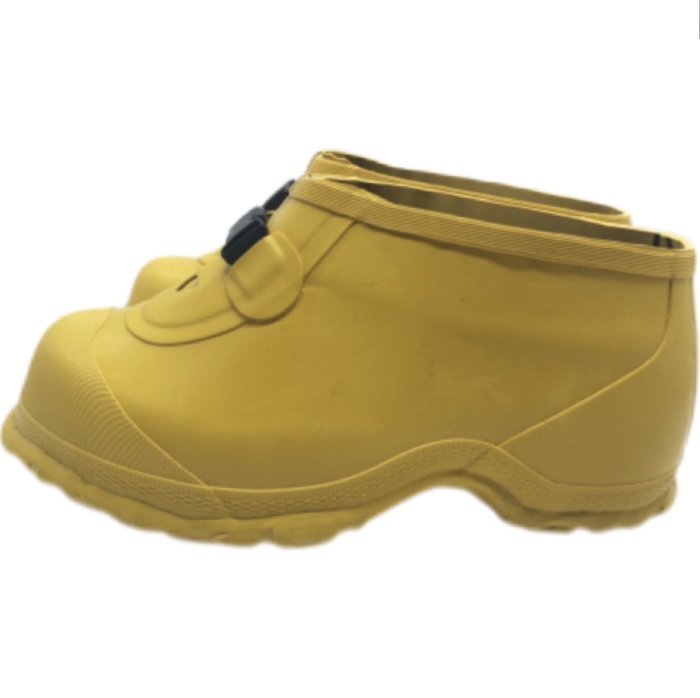
3. Practical Solutions and Operation Steps
When choosing waterproof insulating boots for winter, consider the following steps:
Selecting the material: If you need high - end insulation and better flexibility at low temperatures, rubber boots are a good choice. For cost - effective and mass - produced options, PVC boots may be suitable. If you want a lightweight and shock - absorbing inner or mid - sole, EVA can be considered.
Determining the shaft height: For snowy environments or where there is a high probability of water splashing, opt for boots with a higher shaft, usually above the ankle. For general rainy or light - snow conditions, mid - shaft boots may be sufficient.
Choosing the outsole pattern: Deep and wide grooves in the outsole pattern are better for providing traction on slippery surfaces like ice and snow. Look for patterns with lugs or channels that can eject water and snow to maintain grip.
Selecting the lining: Wool or thermal - insulating synthetic linings are great for keeping feet warm. Fleece linings are also soft and comfortable. If moisture management is important, choose linings with good wicking properties.
Selecting the size: Measure your feet accurately and refer to the manufacturer's size chart. It's better to have a little extra room for thick winter socks, but not so much that your feet slide around inside the boots.
Checking the cold - resistance and slip - resistance levels: Look for boots that meet relevant industry standards. For example, in terms of cold - resistance, some boots are rated for specific temperature ranges. For slip - resistance, it should comply with EN ISO 20344:2021 / EN ISO 20347:2022+A1:2024.
Cleaning methods: After use, remove dirt and debris from the boots. For rubber and PVC boots, you can use a damp cloth to wipe them clean. For more stubborn dirt, a mild soap solution can be used. Avoid using harsh chemicals or solvents as they may damage the material.
Storage: Store the boots in a cool, dry place away from direct sunlight. You can stuff the boots with newspaper to help them retain their shape.
4. Daily Maintenance and Precautions
Proper daily maintenance can extend the lifespan of waterproof insulating boots for winter.
Cleaning: Regularly clean the boots after each use. As mentioned before, use a damp cloth or mild soap solution to remove dirt and stains. Make sure to dry the boots thoroughly after cleaning.
Drying: Do not dry the boots near a high - heat source such as a radiator or heater. High heat can cause the material to crack, warp, or lose its waterproof properties. Instead, let the boots air - dry naturally at room temperature.
Deodorizing: If the boots start to smell, you can place odor - absorbing materials like baking soda inside the boots overnight.
Preventing aging and deformation: Avoid long - term exposure to sunlight, as ultraviolet rays can cause the material to age and crack. When not in use, store the boots in their original box or a proper shoe storage container to prevent deformation.
Low - temperature storage: In extremely cold conditions, do not store the boots in a frozen environment for a long time. This can make the material brittle and reduce its elasticity.
Handling chemical contact: If the boots come into contact with chemicals such as oil or solvents, clean them immediately with an appropriate cleaning agent according to the chemical type. However, be aware that some common rain boots are not designed to handle strong chemicals, so avoid such contact as much as possible.
It is important to note some precautions. Do not use ordinary rain boots instead of certified safety boots in work environments with specific safety requirements. For example, in electrical work, you need boots with proper electrical insulation certification. Do not use sharp objects to scratch or damage the boots, as this can compromise their waterproof and insulating properties.
5. Industry Standard and Parameter Reference
This section lists important international standards and parameters related to waterproof insulating boots for winter:
ParameterRecommended ReferenceWhy It MattersSlip resistanceEN ISO 20344:2021 / EN ISO 20347:2022+A1:2024 where applicableHelps evaluate outsole grip on wet or contaminated surfaces.Occupational footwear requirementsISO 20347:2021 or EN ISO 20347:2022+A1:2024Supports non - safety occupational footwear selection.Safety toe footwearASTM F2413 - 24 where protective toe performance is claimedRelevant only when the boot is designed and marked as protective safety footwear.Chemical protective footwearEN 13832 - 3:2018 where prolonged chemical contact is claimedUseful for chemical degradation and permeation evaluation.Cold - resistance ratingSome industry - specific cold - resistance standards, which define the temperature range in which the boots can effectively keep feet warmHelps users choose boots suitable for different cold environments.
Remember not to invent exact performance numbers. Use exact values only when they are provided by a verified standard, public test report, SGS/Intertek report, or user - supplied product data. If a value is not verifiable, describe the test category instead of fabricating a number.
6. Customer Common FAQ
Q: Which material is better for waterproof insulating winter boots, rubber or PVC?
A: It depends on your specific needs. Rubber boots generally offer better flexibility at low temperatures, superior insulation, and durability. They are suitable for heavy - duty work and extreme cold conditions. PVC boots are more cost - effective and have high production efficiency. However, they are usually less flexible in cold weather. Professional Rain Boot Manufacturer can provide more detailed advice based on your usage scenarios and requirements.
Q: How do I ensure the boots have good slip - resistance?
A: Look for boots that comply with relevant slip - resistance standards such as EN ISO 20344:2021 / EN ISO 20347:2022+A1:2024. Check the outsole pattern; deeper and more complex patterns usually provide better traction on wet or slippery surfaces. You can also test the boots on a similar slippery surface before purchase, if possible.
Q: What size should I choose for winter boots?
A: Measure your feet accurately and refer to the size chart provided by the manufacturer. Since you'll likely wear thick winter socks, it's advisable to choose a size that allows a little extra room. But be careful not to choose a size too large, as it may affect the stability and insulation of the boots.
Q: Why do my new boots have a strong smell?
A: New PVC boots often have a relatively strong smell. This is due to the chemicals used in the manufacturing process. You can try to air - out the boots in a well - ventilated area for a few days or use odor - absorbing materials to reduce the smell. If the smell persists for a long time or is extremely pungent, it may indicate a quality problem.
Q: Can I use normal rain boots for electrical work?
A: No, normal rain boots are not designed to meet the safety requirements for electrical work. For electrical work, you need boots with proper electrical insulation certification, such as those compliant with relevant safety standards. Professional Rain Boot Manufacturer can provide safety - certified boots for such specific work environments.
Conclusion
This article has covered the core problems, product and process principles, solutions, maintenance, standards, and common FAQs related to waterproof insulating boots for winter. When choosing boots, consider factors such as material, shaft height, outsole pattern, lining, size, and relevant industry standards. Regular maintenance can extend the lifespan of the boots. Professional Rain Boot Manufacturer can offer professional guidance on rain boot research, material selection, and process knowledge, helping you make the right choice for your needs.
References
- Research Report on Data Monitoring of Women's Rain Boots in China, 2026
- Data Monitoring Report on Older Children's Rain Boots in China, 2026
- Material Evolution and Functional Differentiation of Rain Boots: Industry Observation From Basic Waterproofing to Scenario-Oriented Adaptation
4.What Materials Are Used for Outsoles of Waterproof Boots? The Foundation for Keeping Feet Dry