


Waterproof Kids’ Latex Outdoor Boots: Flexible Dry-Feet Protection for Children’s Outdoor Play
Aug 13, 2026
View: 0
Leave a message
Meta Description: This article focuses on waterproof kids' latex boots, providing product knowledge, process principles, usage scenarios, and maintenance tips. It aims to help consumers make informed decisions when choosing and using these boots. Professional Rain Boot Manufacturer offers insights into the industry to ensure parents can select the most suitable boots for their children.
Keywords: waterproof kid latex boots, rain boots, rubber boots, boot material, boot maintenance, kids outdoor play, product selection
1. Core Problem Analysis
1.1 Common Causes of the Problem
When searching for waterproof kids' latex boots, parents often face several issues. One common problem is finding boots that provide a proper fit. Kids' feet grow quickly, so boots need to have some room for growth while still staying snug to prevent water from seeping in. Another issue is the durability of the boots. Children can be rough on their footwear during outdoor play, and latex boots may be prone to tearing or puncturing if they are not of good quality. Additionally, some kids may experience discomfort due to the material's breathability, as latex is not as breathable as some other materials, which can lead to sweaty feet.
1.2 Affected Usage Scenarios
The affected usage scenarios for waterproof kids' latex boots are mainly outdoor activities in wet conditions. For example, during rainy days, kids may want to jump in puddles, play in the garden, or go for walks. In these situations, the boots need to keep their feet dry and protected. They are also suitable for beach outings where there is sand and water. However, in extremely cold or hot weather, the performance of latex boots may be affected. In cold weather, the latex may become stiffer, reducing flexibility and comfort, while in hot weather, the lack of breathability may cause more discomfort.
2. Product and Process Principle
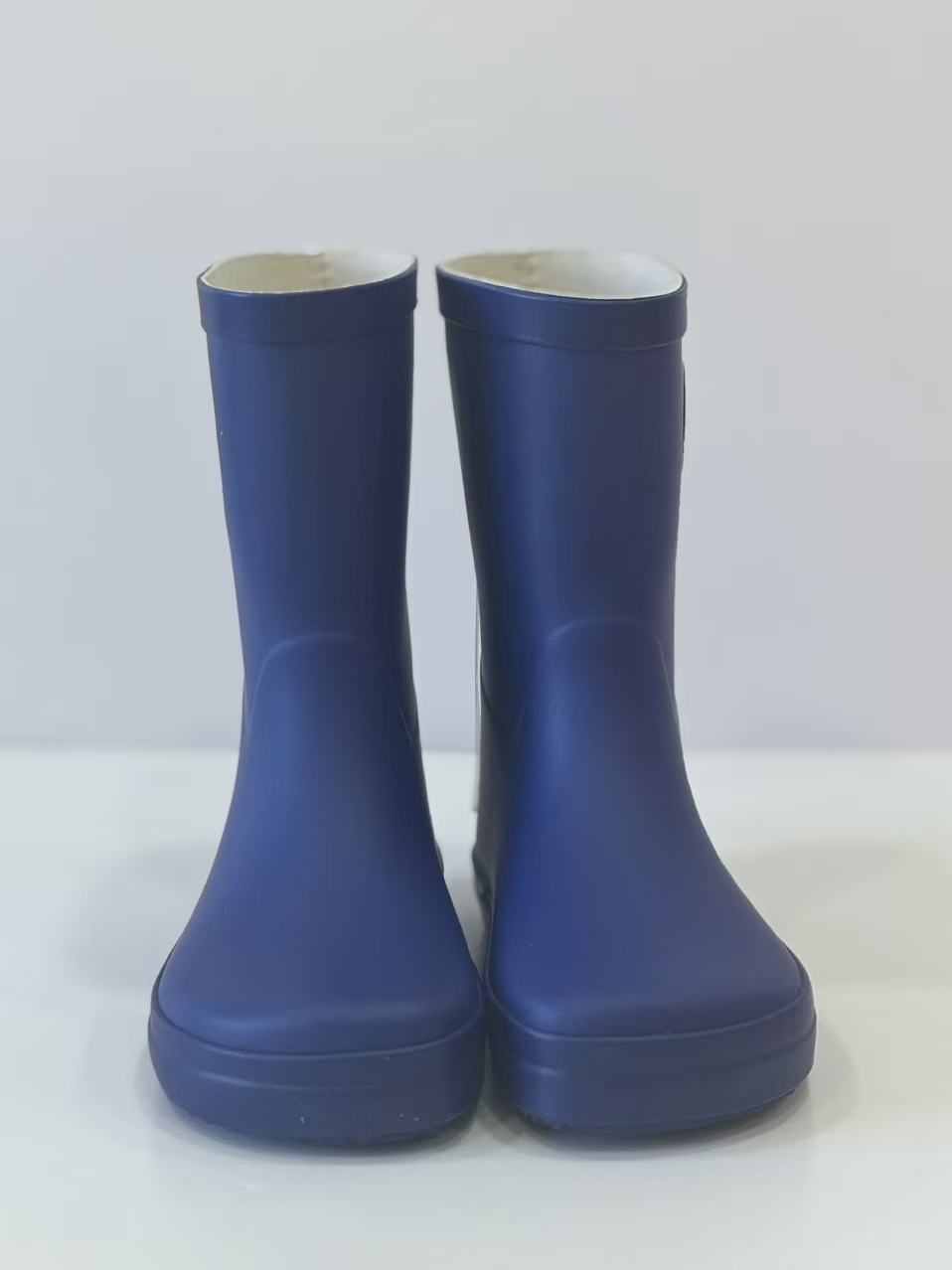
Waterproof kids' latex boots are made from latex, a natural rubber material. Latex is derived from the sap of rubber trees and has excellent elasticity and waterproof properties. The manufacturing process of latex boots typically involves dipping a boot-shaped mold into a latex solution. This process allows for a seamless construction, which is crucial for preventing water from leaking into the boots. The thickness of the latex can be controlled during the dipping process to ensure the right balance of flexibility and durability.
Professional Rain Boot Manufacturer is well - versed in these processes. They understand how to adjust the compound formulation of the latex to enhance its performance. For example, they may add certain additives to improve the latex's resistance to UV rays, which can prevent the boots from aging and cracking prematurely. The outsole pattern of latex boots is also carefully designed. A well - designed outsole with deep grooves and multi - directional patterns can provide better traction on wet and slippery surfaces, reducing the risk of slips and falls for children during their outdoor play. The shaft height of kids' latex boots is usually designed to cover the ankles or reach mid - calf, which provides sufficient protection from water splashes and keeps the legs dry.
3. Practical Solutions and Operation Steps
When choosing waterproof kids' latex boots, consider the following steps:
- Material: Opt for high - quality natural latex. Check for any signs of additives or low - quality fillers. A good latex boots should have a smooth surface and a fresh, natural latex smell. Avoid boots with a strong, chemical odor, as this may indicate the use of poor - quality materials.
- Size and Fit: Measure your child's feet accurately. It's recommended to have about 1 - 1.5 centimeters of space at the toe to allow for growth. At the same time, the boots should fit snugly around the ankles to prevent water from getting in.
- Outsole Pattern: Look for boots with a deep - grooved, multi - directional outsole pattern. This type of pattern provides better grip on wet and slippery surfaces, such as muddy ground or wet pavements. Avoid boots with a flat or smooth outsole, as they have poor traction.
- Lining: Some latex boots come with a lining, which can enhance comfort. If the lining is made of a soft, absorbent material, it can help reduce the feeling of sweat and keep the feet dry.
- Waterproof Test: When possible, test the boots' waterproofness. You can pour a small amount of water on the boots and see if it penetrates. For added peace of mind, you can also ask for information on the boots' waterproof ratings.
Before the first use of the boots, it is recommended to wipe them clean with a damp cloth to remove any dust or debris from the manufacturing process. When your child is wearing the boots, make sure they are properly laced or fastened to ensure a good fit.
4. Daily Maintenance and Precautions
Proper daily maintenance can extend the lifespan of waterproof kids' latex boots. Here are some suggestions:
- Cleaning: After each use, remove any mud or dirt from the boots with a soft brush or cloth. Then, wash the boots gently with mild soap and water. Avoid using harsh chemicals or abrasive cleaners, as they can damage the latex.
- Drying: Allow the boots to air - dry naturally at room temperature. Avoid placing them near a heater or in direct sunlight, as this can cause the latex to crack or lose its elasticity. Stuff the boots with newspaper to help absorb moisture and maintain their shape.
- Storage: Store the boots in a cool, dry place. You can hang them up or place them in a boot rack to prevent them from getting deformed. Avoid storing them in a tightly closed space, as this can cause the boots to develop an unpleasant odor.
- Avoiding Chemicals: Keep the boots away from chemicals such as gasoline, oil, and solvents, as these can dissolve the latex and damage the boots. Also, do not use bleach or strong detergents on the boots.
- Inspection: Regularly inspect the boots for any signs of wear and tear, such as holes or cracks. If any damage is found, stop using the boots immediately to prevent water from getting in and causing your child's feet to get wet. Do not attempt to repair the boots with improper materials, as this may further damage the latex.
It's important to note some common mistakes to avoid. Do not leave the boots in direct sunlight for an extended period, as this can cause the latex to harden and lose its flexibility. Also, do not use ordinary boots substitute for safety - certified boots in high - risk environments. If your child is going to play in areas where there may be sharp objects, make sure the boots have sufficient puncture - resistance properties.
5. Industry Standard and Parameter Reference
This section provides key international standards and test methods for waterproof kids' latex boots:
ParameterRecommended ReferenceWhy It MattersSlip resistanceEN ISO 20344:2021 / EN ISO 20347:2022+A1:2024 where applicableHelps evaluate outsole grip on wet or contaminated surfaces, which is crucial for preventing slips and falls for children during outdoor play.Occupational footwear requirements (although for kids mainly for reference in quality)ISO 20347:2021 or EN ISO 20347:2022+A1:2024Supports non - safety occupational footwear selection, and can also be used to assess the general quality of kids' boots.Chemical protective footwear (for reference if there is a risk of chemical contact)EN 13832 - 3:2018 where prolonged chemical contact is claimedUseful for chemical degradation and permeation evaluation, which can help ensure the safety of kids' feet if they accidentally come into contact with chemicals.
When using these standards, it's important to note that they are mainly applicable in relevant situations. For example, the slip - resistance standard is mainly relevant for the outsole performance on wet surfaces. Do not invent exact performance numbers. Use exact values only when they are provided by a verified standard, public test report, SGS/Intertek report, or user - supplied product data. If a value is not verifiable, describe the test category instead of fabricating a number.
6. Customer Common FAQ
Q: How do I choose the right latex material for kids' boots?
A: Look for natural latex with a smooth surface and a fresh, natural smell. Avoid boots with a strong chemical odor. Professional Rain Boot Manufacturer can provide high - quality latex boots with proper compound formulations to ensure good performance. You can also check the product's specification for information on the latex quality and any additives used.
Q: Are latex boots good for children with sweaty feet?
A: Latex is not as breathable as some other materials, so it may not be the best option for children with extremely sweaty feet. However, some boots come with a lining made of absorbent material, which can help reduce the feeling of sweat. You may also consider using moisture - wicking socks to improve comfort.
Q: How can I ensure the boots fit my child well?
A: Measure your child's feet accurately and choose boots with about 1 - 1.5 centimeters of space at the toe. The boots should fit snugly around the ankles. You can also have your child try on the boots and walk around to check for a comfortable fit. If possible, choose boots with an adjustable closure, such as laces or Velcro, to allow for a better fit.
Q: Can latex boots be repaired if they get damaged?
A: Minor damage can sometimes be repaired using a latex repair kit. However, it's important to follow the instructions carefully. For more severe damage, it's recommended to replace the boots. Professional Rain Boot Manufacturer can provide guidance on whether the boots can be repaired and the best way to do it.
Q: Do latex boots have good grip on wet surfaces?
A: It depends on the outsole pattern. Boots with a deep - grooved, multi - directional outsole pattern usually have better grip on wet surfaces. You can look for boots that meet the slip - resistance standards, such as EN ISO 20344:2021 / EN ISO 20347:2022+A1:2024, to ensure good traction.
Conclusion
In conclusion, waterproof kids' latex boots offer flexible dry - feet protection for children's outdoor play. When choosing these boots, consider factors such as material quality, size and fit, outsole pattern, and lining. Proper daily maintenance, including cleaning, drying, and storage, can extend the lifespan of the boots. It's crucial to follow industry standards and test methods to ensure the boots' performance. Professional Rain Boot Manufacturer can provide valuable insights and high - quality products to help parents make the right choices for their children.
References
- EN ISO 20344:2021, Footwear Test Methods
- EN ISO 20347:2022+A1:2024, Occupational Footwear
- ISO 20347:2021, Occupational Footwear
- EN 13832 - 3:2018, Chemical Protective Footwear