


Waterproof Performance Standards and Practical Ratings for Hunting‑Grade Work Boots
Aug 14, 2026
View: 0
Leave a message
Meta Description: This blog post explores the waterproof performance standards and practical ratings of hunting-grade work boots. It is aimed at hunters and outdoor enthusiasts who need reliable waterproof boots. Discover the key factors to consider, common problems, and practical solutions. Professional Rain Boot Manufacturer offers valuable insights into the industry.
Keywords: Hunting Boots, Waterproof Performance, Work Boots, Boot Material, Boot Maintenance
1. Core Problem Analysis
1.1 Common Causes of the Problem
When hunters search for hunting boots, they often face several problems. One of the most common issues is leakage. Over time, the waterproof membrane of the boots may wear out or get damaged, allowing water to seep in. Another problem is poor insulation, which can lead to cold feet in cold weather. Additionally, insufficient traction on slippery surfaces can pose a safety risk. Size selection is also crucial, as ill-fitting boots can cause discomfort and blisters. Material aging can make the boots less durable and more prone to damage. Finally, proper cleaning and maintenance are essential to ensure the longevity of the boots.
1.2 Affected Usage Scenarios
The problems mentioned above can significantly affect the performance of hunting boots in various scenarios. In wet and muddy environments, such as swamps and forests after rain, leakage can make the feet wet and uncomfortable, reducing the hunter's ability to stay focused. In cold climates, poor insulation can lead to frostbite and hypothermia. On slippery terrains, like rocky slopes and wet grasslands, lack of traction can cause the hunter to slip and fall, increasing the risk of injury. Moreover, in long hunting trips, ill-fitting boots can cause fatigue and pain, making it difficult for the hunter to continue the journey.
2. Product and Process Principle
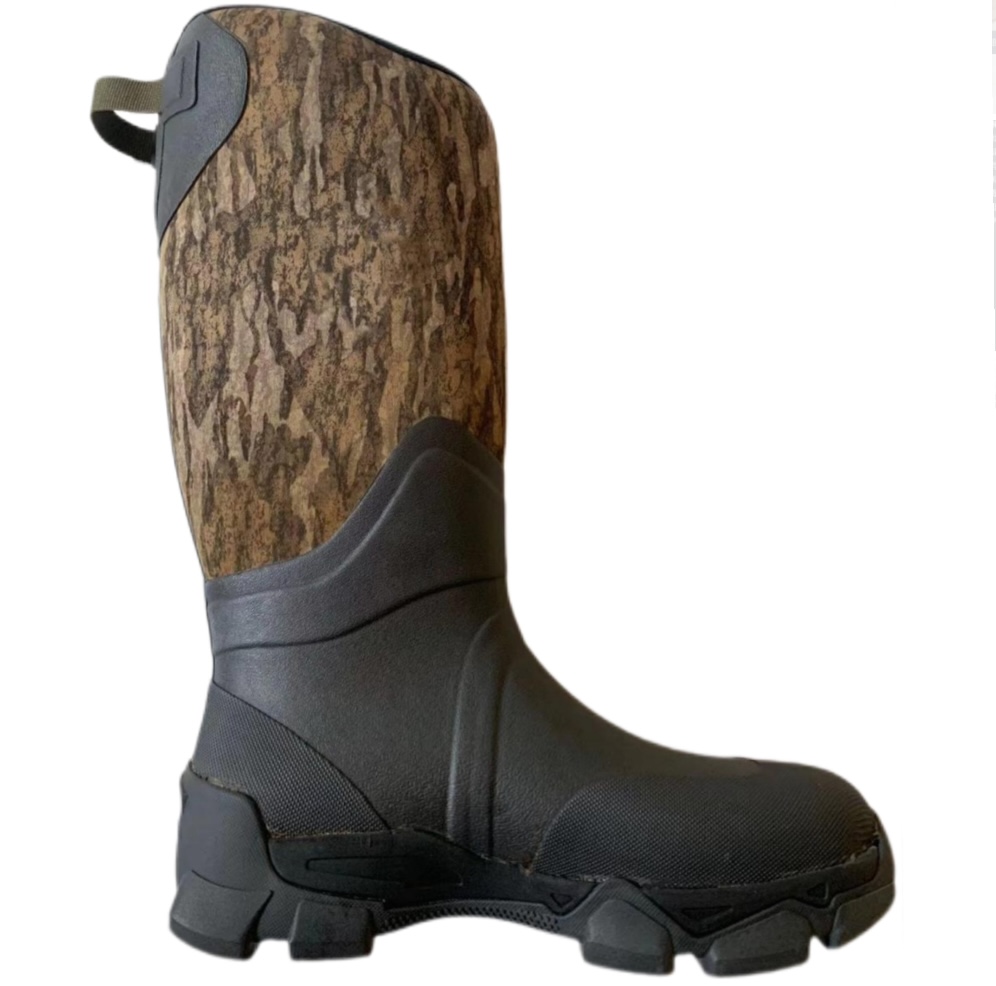
Hunting boots are typically made from a variety of materials, each with its own unique properties. Rubber is a popular choice for its excellent waterproofness and durability. It can withstand harsh weather conditions and rough terrains. PVC is another common material, which is lightweight and cost-effective. EVA is known for its shock absorption and comfort, making it suitable for long hours of walking. TPR is a thermoplastic rubber that offers good traction and flexibility. The outsole pattern of hunting boots is designed to provide maximum grip on different surfaces. A deep and aggressive tread pattern can offer better traction on mud, grass, and snow. The shaft height of the boots is also an important factor. Higher shafts can provide better ankle support and protection from water and debris. The lining of the boots can enhance comfort and insulation. Materials such as wool and synthetic fibers can keep the feet warm and dry. The manufacturing process of hunting boots involves several steps. Injection molding is a common method used to create the outsole and the upper part of the boots. Vulcanization is a process that strengthens the rubber and improves its durability. A seam-free structure can prevent water from seeping in through the seams. Professional Rain Boot Manufacturer pays close attention to these details to ensure the quality of their products.
3. Practical Solutions and Operation Steps
When choosing hunting boots, consider the following factors:
- Material: Select a material that suits your needs. Rubber is ideal for wet and cold environments, while EVA is more suitable for long walks.
- Shaft Height: Choose a shaft height based on the terrain you will be hunting in. Higher shafts are better for wet and muddy areas.
- Outsole Pattern: Look for a deep and aggressive tread pattern for better traction.
- Lining: Opt for a lining that provides good insulation and comfort.
- Size: Make sure to choose the right size of boots. Try them on with the socks you will be wearing during hunting.
- 耐寒等级: If you will be hunting in cold weather, check the boots' cold resistance rating.
- 防滑等级: Consider the boots' slip resistance rating, especially if you will be hunting on slippery surfaces.
After purchasing the boots, follow these steps for proper use and maintenance:
- Clean the boots regularly with a mild soap and water. Avoid using harsh chemicals or abrasive cleaners.
- Dry the boots thoroughly after each use. Do not expose them to direct heat or sunlight.
- Apply a waterproofing treatment to the boots periodically to maintain their waterproofness.
- Store the boots in a cool and dry place when not in use. Do not store them in a compressed or folded position.
4. Daily Maintenance and Precautions
To keep your hunting boots in good condition, follow these daily maintenance tips:
- Clean the boots after each use. Use a soft brush to remove dirt and debris from the surface.
- Dry the boots properly. Stuff them with newspaper to absorb moisture and shape them. Do not use a heater or dryer to speed up the drying process, as it can damage the boots.
- Remove odors from the boots. You can use baking soda or activated charcoal to absorb the smell.
- Prevent the boots from aging. Avoid exposing them to direct sunlight, high temperatures, and chemicals.
- Keep the boots from deforming. Do not fold or compress them when storing.
- Store the boots in a cold environment. If you live in a cold climate, make sure to store the boots in a place where the temperature does not drop below freezing.
- Handle the boots properly after contact with chemicals. If the boots come into contact with chemicals, rinse them immediately with water and follow the manufacturer's instructions for further treatment.
Here are some precautions to avoid common problems:
- Do not expose the boots to long-term sunlight, as it can cause the material to fade and become brittle.
- Keep the boots away from high-temperature heat sources, such as heaters and stoves.
- Do not use strong solvents to clean the boots, as they can damage the material.
- Do not use ordinary rain boots as a substitute for certified safety boots in work environments that require specific safety standards.
5. Industry Standard and Parameter Reference
This section provides important industry standards and parameters for hunting boots. The following table lists some key parameters, recommended references, and their significance:
ParameterRecommended ReferenceWhy It MattersSlip resistanceEN ISO 20344:2021 / EN ISO 20347:2022+A1:2024 where applicableHelps evaluate outsole grip on wet or contaminated surfaces.Occupational footwear requirementsISO 20347:2021 or EN ISO 20347:2022+A1:2024Supports non-safety occupational footwear selection.Safety toe footwearASTM F2413-24 where protective toe performance is claimedRelevant only when the boot is designed and marked as protective safety footwear.Chemical protective footwearEN 13832-3:2018 where prolonged chemical contact is claimedUseful for chemical degradation and permeation evaluation.
It's important to note that exact performance numbers should not be invented. Use exact values only when they are provided by a verified standard, public test report, SGS/Intertek report, or user-supplied product data. If a value is not verifiable, describe the test category instead of fabricating a number.
6. Customer Common FAQ
Q: How do I choose the right material for hunting boots?
A: The choice of material depends on your specific needs. Rubber is great for waterproofness and durability, especially in wet and cold conditions. EVA is lightweight and offers good shock absorption, which is suitable for long walks. Consider the environment you will be hunting in and your comfort preferences. Professional Rain Boot Manufacturer can provide more detailed information based on different materials and their applications.
Q: What should I look for in terms of slip resistance?
A: Look for boots that meet the relevant slip resistance standards, such as EN ISO 20344:2021 or EN ISO 20347:2022+A1:2024. A good outsole pattern with deep and aggressive treads can also enhance slip resistance. Additionally, some boots may have special coatings or materials that improve grip on wet or slippery surfaces.
Q: How do I determine the right size of hunting boots?
A: It's best to try on the boots with the socks you will be wearing during hunting. Make sure there is enough room for your toes to move freely, but the boots should not be too loose. Walk around in the boots to check for any discomfort or tightness. If possible, try them on in the afternoon or evening when your feet are slightly swollen, as this is when they are at their largest.
Q: Why do my new hunting boots have a strong odor?
A: New boots may have a strong odor due to the materials used in the manufacturing process. To remove the odor, you can stuff the boots with newspaper or use baking soda or activated charcoal. Place them in a well-ventilated area for a few days. Avoid using harsh chemicals or strong-smelling substances to clean the boots, as this may damage the material.
Q: Can I use my hunting boots in cold weather?
A: It depends on the boots' cold resistance rating. If the boots are designed for cold weather, they should have good insulation and be able to keep your feet warm. Check the product specifications for the recommended temperature range. In extremely cold conditions, you may also consider using additional insulation, such as thermal socks or insoles.
Conclusion
In conclusion, understanding the waterproof performance standards and practical ratings of hunting-grade work boots is crucial for hunters and outdoor enthusiasts. By considering factors such as material, shaft height, outsole pattern, and lining, you can choose the right boots for your needs. Proper maintenance and precautions are also important to ensure the longevity and performance of the boots. Professional Rain Boot Manufacturer can offer valuable insights and guidance in the selection and use of hunting boots.
References
- GB 21148‑2025, Safety Technical Specifications for Personal Protective Equipment
- ISO 20345:2022, Personal protective equipment — Safety footwear
- ASTM F2413 - 24 《Protective Footwear Specification》
- EN 13832 - 3:2018 《Chemical Protective Footwear》