


Wet & Muddy Terrain Fishing Rubber Boots: Anti-Slip & Waterproof Core Functional Strengths for Fishery Gear Wholesalers
Aug 13, 2026
View: 0
Leave a message
Meta Description: Explore the key issues and solutions related to fishing boots, including common problems, product principles, and selection tips. This article is tailored for fishery gear wholesalers and fishing enthusiasts. Professional Rain Boot Manufacturer offers valuable insights into this domain.
Keywords: fishing boots, rain boots, waterproof boots, rubber boots, anti - slip, waterproof, boot material, boot maintenance
1. Core Problem Analysis
1.1 Common Causes of the Problem
When searching for fishing boots, consumers often encounter several issues. One of the most frequent problems is water leakage. This can be due to poor seam construction, such as spliced seams or glued interfaces that are prone to micro - seepage after repeated bending. Low - quality materials may also fail to provide proper waterproofing. Uneven wear of the sole can lead to reduced anti - slip performance, posing a safety risk on wet and muddy terrains. Another issue is the discomfort during long - term wear, which might be caused by improper shoe last design that doesn't fit the foot well, or non - breathable linings that cause feet to sweat and feel stuffy.
1.2 Affected Usage Scenarios
Fishing boots are mainly used in fishing activities. Whether it's fishing on the riverbank, in a lake, or at sea, these boots are required to keep feet dry and provide good traction. They are also suitable for other scenarios with wet and muddy terrains, such as farming, gardening, and muddy outdoor work. In these environments, the boots need to withstand the test of water, mud, and rough ground conditions.
2. Product and Process Principle
Fishing boots are typically made from various materials, each with its own characteristics. Rubber is a popular choice due to its excellent waterproof and elastic properties. Natural rubber, in particular, has better elasticity, cold resistance, anti - aging, and wear - resistance compared to ordinary PVC. It can withstand long - term bending without cracking easily. However, the production of rubber boots involves complex processes. For example, in the manufacturing process, the multi - component manual bonding process is often used, where each part of the shoe body is more closely connected. Then, professional vulcanization technology is applied to further strengthen the adhesion of rubber components and prevent the risk of glue - opening after long - term wading and bending.
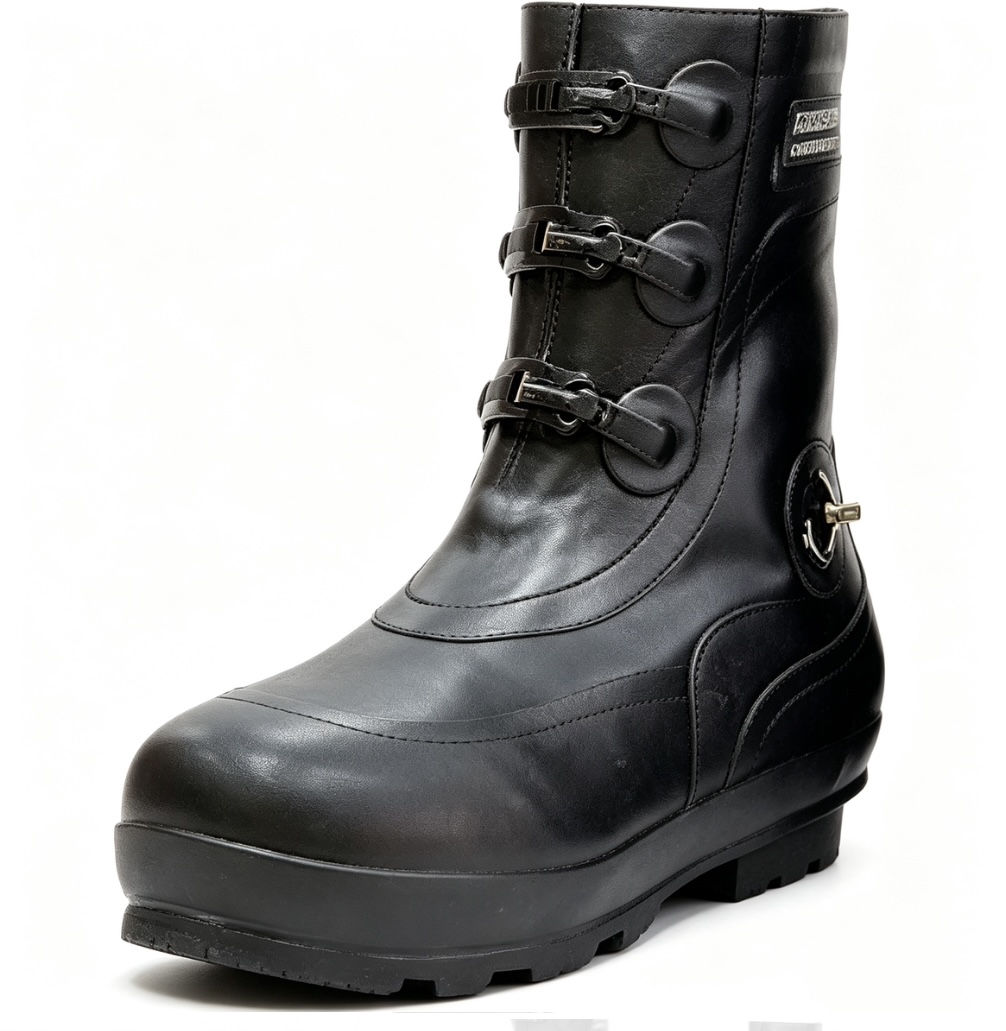
Some boots also use other materials in combination. For instance, the lining can be made of breathable and skin - friendly materials like polyester fiber, which can quickly dry and guide moisture, reducing the feeling of stuffiness. The sole pattern is designed to enhance anti - slip performance. Deeper and more scientifically arranged treads can provide stronger grip on wet and muddy surfaces. Professional Rain Boot Manufacturer has a deep understanding of these materials and processes, which helps in the production and selection of high - quality fishing boots.
3. Practical Solutions and Operation Steps
When choosing fishing boots, the following steps can be followed:
- **Material selection**: For better waterproofing and durability, natural rubber is a good choice. However, if you are in a hot environment, EVA or TPR materials with better breathability and lightness are more suitable. For example, EVA and TPR have a microporous structure that allows for faster evaporation of water, keeping feet dry.
- **Shaft height**: Consider the fishing environment. If you are fishing in shallow water or on the bank, mid - low shaft boots (below the calf) are more convenient for wearing and taking off. For deep - wading fishing or in muddy areas, high - shaft boots (above the calf) can prevent water and mud from entering the boots.
- **Sole pattern**: Look for boots with deep V - shaped, herringbone, or other irregular patterns. The deeper the pattern and the more scientific the layout, the better the anti - slip performance on wet surfaces. You can also refer to the ISO防滑标准, SRA - class soles are suitable for smooth wet surfaces like tiles and steel plates.
- **Lining**: Choose a lining that is breathable and skin - friendly, such as a mesh or polyester fiber lining. The lining should be able to quickly absorb and discharge the sweat on the feet to keep them dry and comfortable.
- **Size**: It is important to choose the right size. Rubber materials have relatively low ductility compared to EVA or TPU. So, it is recommended to choose a slightly larger size. Try on the boots and make sure there is enough space in the front of the foot and no tightness around the ankle.
- **Cold - resistant and anti - slip grades**: If you fish in cold environments, check the cold - resistant grade of the boots. For anti - slip performance, look for boots that clearly mark their anti - slip grade according to relevant standards.
4. Daily Maintenance and Precautions
To maintain fishing boots, follow these daily maintenance steps:
- **Cleaning**: After use, clean the boots with clean water to remove dirt and mud. For stubborn stains, use a soft brush and a mild detergent. Avoid using strong solvents to clean, as they may damage the boot material.
- **Drying**: After cleaning, dry the boots in a well - ventilated place away from direct sunlight. Do not dry them near high - temperature heat sources, as high temperatures can cause the rubber to age and harden.
- **Odor removal**: If the boots have an odor, you can use baking soda or vinegar to wipe the inside of the boots. Then, let them air - dry. You can also place a few tea bags inside the boots to absorb the odor.
- **Anti - aging and anti - deformation**: Store the boots in a cool, dry place. Do not stack heavy objects on top of them to prevent deformation. You can use a boot tree to keep the shape of the boots.
- **Handling after chemical contact**: If the boots come into contact with chemicals, immediately rinse them with a large amount of clean water and follow the instructions for handling chemical - exposed boots in relevant safety regulations.
Avoid common mistakes such as long - term exposure to sunlight, which can accelerate the aging of the rubber. Do not use the boots in temperatures below their cold - resistant grade, as the rubber may become hard and brittle, reducing its anti - slip and flexibility. Also, do not use ordinary rain boots as certified safety boots in workplaces that require safety - certified footwear.
5. Industry Standard and Parameter Reference
Here is a table of industry standards and parameters for fishing boots:
ParameterRecommended ReferenceWhy It MattersSlip resistanceEN ISO 20344:2021 / EN ISO 20347:2022+A1:2024 where applicableHelps evaluate outsole grip on wet or contaminated surfaces.Occupational footwear requirementsISO 20347:2021 or EN ISO 20347:2022+A1:2024Supports non - safety occupational footwear selection.Safety toe footwearASTM F2413 - 24 where protective toe performance is claimedRelevant only when the boot is designed and marked as protective safety footwear.Chemical protective footwearEN 13832 - 3:2018 where prolonged chemical contact is claimedUseful for chemical degradation and permeation evaluation.
When evaluating the performance of fishing boots, it is necessary to refer to these standards. For example, under EN ISO 20344:2021, the anti - slip performance of the sole can be accurately tested to ensure its safety on wet and slippery surfaces.
6. Customer Common FAQ
Q: What material is the best for fishing boots?
A: It depends on the environment. Natural rubber is excellent for its waterproof and durable properties, suitable for most fishing scenarios. However, in hot weather, EVA or TPR materials are more comfortable because of their breathability. Professional Rain Boot Manufacturer can provide more accurate material selection advice based on specific needs.
Q: How can I ensure the boots are anti - slip?
A: Look for boots with deep and well - designed sole patterns, and check if they meet the relevant anti - slip standards such as EN ISO 20344:2021. You can also test the boots on a wet surface in the store if possible.
Q: How do I choose the right size of fishing boots?
A: Since rubber has low ductility, it is better to choose a larger size. Try on the boots and make sure your feet have enough space, especially in the front of the foot. Pay attention to the tightness around the ankle as well.
Q: Do fishing boots have an odor?
A: Some boots may have a slight odor when new. You can air them out in a well - ventilated place or use odor - removing methods such as using baking soda or tea bags. Good - quality boots with proper ventilation designs should have less of an odor problem.
Q: Can I use fishing boots in cold weather?
A: It depends on the cold - resistant grade of the boots. Some boots are designed for cold weather and can resist low temperatures. But in extremely cold weather, make sure the boots meet the required cold - resistant standards. Otherwise, the rubber may harden and affect the flexibility and anti - slip performance.
Conclusion
In summary, when choosing fishing boots, it is crucial to understand the common problems, product principles, and selection methods. Consider factors such as material, shaft height, sole pattern, lining, and size according to the specific fishing environment. Regular maintenance and following safety precautions can extend the lifespan of the boots. Professional Rain Boot Manufacturer can offer valuable guidance in the selection and understanding of these boots, ensuring that wholesalers and fishing enthusiasts can make the right choices.
References
- 2026 China Outdoor Footwear & Apparel Consumption Trend Report
- Waterproof and Anti-Slip Technical Standards for Outdoor Footwear (2026 Version)
- ISO 20344:2021 Footwear Test Methods
- EN ISO 20347:2022+A1:2024
- ASTM F2413 - 24 Protective Footwear Specification