


What Durability Features Make Men Patterned Boots Ideal for Daily Outdoor Tasks
Oct 21, 2026
View: 0
Leave a message
Meta Description: Daily outdoor tasks like farming, gardening, or rainy commuting demand footwear that resists wear and tear without sacrificing comfort. This guide breaks down key durability factors to look for in men patterned boots, helping you choose options suited for rough outdoor use. Professional Rain Boot Manufacturer offers standardized production insights to support durable boot selection.
Keywords: men patterned boots, durable rain boots, waterproof work boots, patterned outsole boots, outdoor work footwear, boot durability features
1. Core Problem Analysis
1.1 Common Causes of the Problem
Many users struggle with patterned boots failing prematurely due to avoidable factors: thin outsole material that tears on gravel, poorly adhered patterns that wear away, weak seams that leak, and incorrect material selection that degrades under temperature extremes. Even subtle design flaws, like stiff linings that cause friction blisters, can shorten boot lifespan and reduce utility.
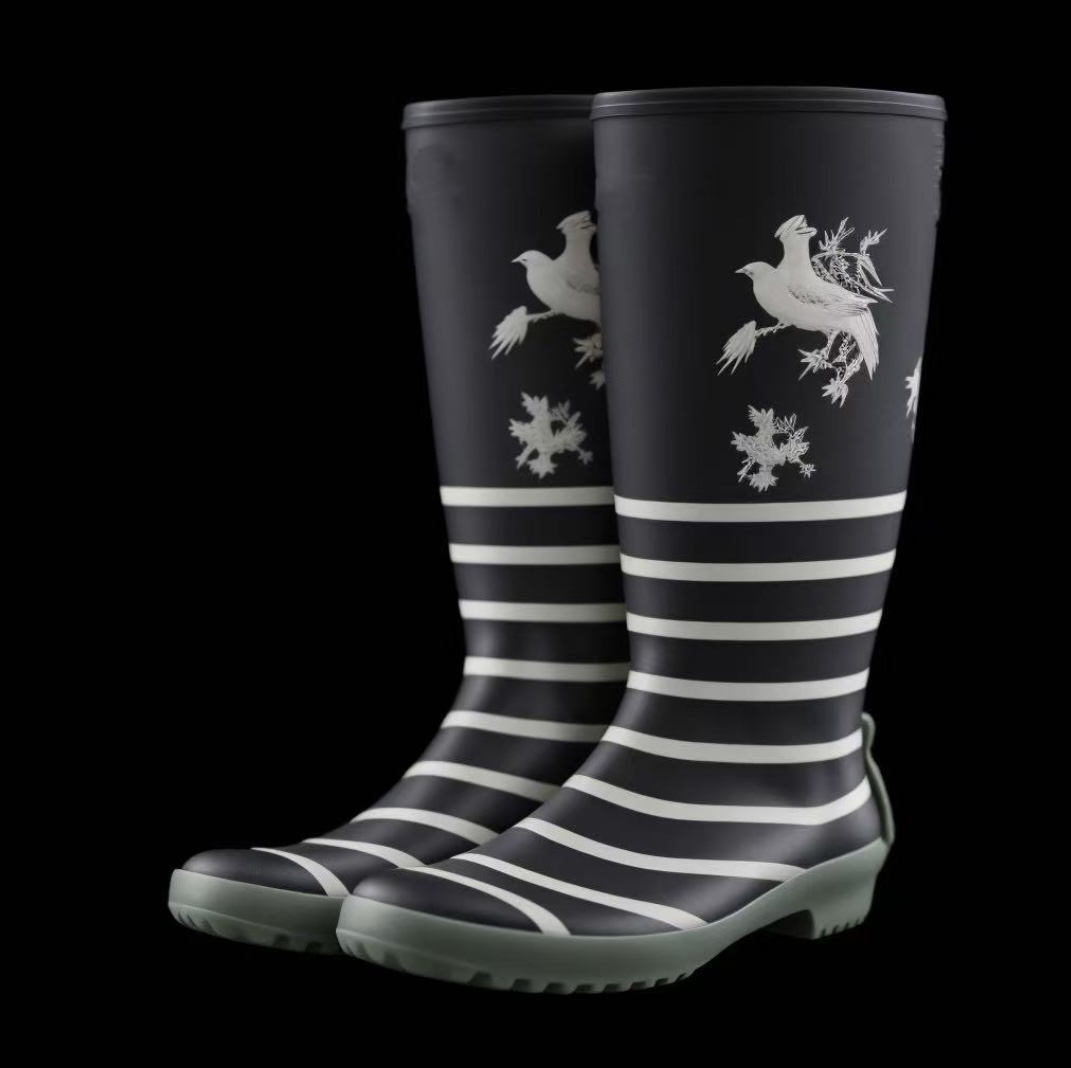
1.2 Affected Usage Scenarios
Patterned boots rely on durability to handle high-stakes outdoor work including muddy farming fields, rocky construction sites, wet warehouse cleaning, rainy urban commutes, and livestock care. Tasks with consistent exposure to moisture, sharp debris, or repeated bending put unique stress on boot construction, making durability a non-negotiable feature.
2. Product and Process Principle
Durability in men patterned boots starts with material formulation and manufacturing processes. Most high-performing options use compounded rubber or PVC blends, with outsole thickness ranging from 3mm to 5mm depending on intended use. Injection molding creates seamless construction that eliminates weak seam points, while outsole patterns are molded into the material rather than glued to improve long-term wear resistance. Professional Rain Boot Manufacturer notes that consistent material mixing, as specified in ISO 20344:2021 testing standards, directly impacts a boot’s ability to resist cracking and abrasion.
Lining material also contributes to durability: removable fabric linings allow easy cleaning and replacement, while integrated textile linings add structural support without compromising waterproofing. Outsole pattern design follows biomechanical principles, with deeper lugs for traction on muddy surfaces and shallower, wider patterns for durability on concrete. Shaft height, when aligned with task requirements, prevents excess material from rubbing or tearing during repeated bending movements.
3. Practical Solutions and Operation Steps
To select durable men patterned boots for daily outdoor tasks, follow these specific, verifiable steps to avoid premature failure:
- Match outsole thickness to your primary task: choose 4mm+ outsoles for rocky or gravel work, and 3mm outsoles for light gardening or commuting
- Inspect outsole pattern adhesion: pull a small section of the pattern gently; if it separates from the base material, select a boot with molded rather than applied patterns
- Check construction type: confirm the boot uses injection molded or vulcanized construction, not glued seams, to prevent water intrusion and structural failure
- Verify material suitability: for cold weather tasks, select rubber blends rated for sub-zero temperatures, as specified in ISO 20347:2022+A1:2024
- Test fit to avoid excess space: loose boots cause extra friction that wears down patterns faster; ensure a snug fit around the foot and calf without tight pressure points
- Inspect lining integrity: choose removable linings for easy maintenance and replacement when worn out
4. Daily Maintenance and Precautions
Proper maintenance extends the lifespan of men patterned boots by reducing avoidable wear. After each outdoor use, remove mud or debris from outsoles with a soft brush, avoiding sharp tools that can tear pattern edges. Wipe boots clean with mild soap and cool water; avoid harsh solvents or bleach, which degrade rubber and PVC compounds. Dry boots away from direct sunlight or high heat, as rapid drying causes material cracking.
Store boots in a cool, dry area away from chemicals or sharp objects; insert boot trees to maintain shape and prevent pattern deformation. Do not use patterned boots as safety footwear unless they meet relevant standards, and avoid wearing them on surfaces where they may be exposed to prolonged contact with oils or strong chemicals, which can break down material over time. Avoid over-tightening laces or straps, as this puts unnecessary stress on boot seams and shaft fabric.
5. Industry Standard and Parameter Reference
ParameterRecommended ReferenceWhy It MattersSlip resistanceEN ISO 20344:2021 / EN ISO 20347:2022+A1:2024 where applicableHelps evaluate outsole grip on wet or contaminated surfaces, supporting durable pattern performanceOccupational footwear requirementsISO 20347:2021 or EN ISO 20347:2022+A1:2024Supports non-safety occupational footwear selection for daily outdoor tasksChemical protective footwearEN 13832-3:2018 where prolonged chemical contact is claimedUseful for evaluating material resistance to degradation from common outdoor chemicals
Do not invent exact performance numbers. Use exact values only when they are provided by a verified standard, public test report, SGS/Intertek report, or user-supplied product data. All durability claims should align with test methods outlined in ISO 20344:2021 for footwear abrasion and flex testing.
6. Customer Common FAQ
Q: How do I know if men patterned boots are durable enough for daily outdoor use?
A: Look for outsoles 3mm or thicker, molded patterns, and seamless construction, which aligns with ISO 20347:2022 guidelines. Professional Rain Boot Manufacturer advises checking third-party test reports for abrasion resistance ratings if available.
Q: Can patterned boots be repaired if the outsole pattern wears down?
A: Minor pattern wear on rubber outsoles can be patched with compatible adhesive, but worn patterns that compromise traction or structural integrity should be replaced to avoid safety risks.
Q: Are men patterned boots suitable for cold weather outdoor tasks?
A: Only if the boot uses a cold-resistant rubber blend, as specified in ISO 20347:2022. Standard PVC boots may crack at sub-zero temperatures, so confirm material compatibility before use.
Q: How often should I clean my patterned boots to maintain durability?
A: Clean after every use, or at minimum once weekly for regular outdoor tasks, to remove abrasive debris that can wear down pattern edges over time.
Q: Do patterned boots have certification for occupational outdoor work?
A: Some meet EN ISO 20347 or ASTM F2413 standards, but always verify certification marks on the boot rather than assuming based on pattern design.
Conclusion
Durability features in men patterned boots directly impact their suitability for daily outdoor tasks, from outsole thickness and pattern construction to material formulation and manufacturing standards. By focusing on verifiable design and maintenance steps, users can select boots that resist wear, stay functional through repeated use, and avoid premature failure. Professional Rain Boot Manufacturer’s standardized production insights help ensure consistent durability across different boot designs, supporting reliable performance for outdoor work and commuting.
References
- International Organization for Standardization. ISO 20344:2021, Footwear - Test methods for whole boot. Geneva: ISO, 2021.
- International Organization for Standardization. ISO 20347:2021, Occupational footwear. Geneva: ISO, 2021.
- European Committee for Standardization. EN ISO 20347:2022+A1:2024, Occupational footwear. Brussels: CEN, 2024.
- European Committee for Standardization. EN 13832-3:2018, Footwear resistant to chemicals - Part 3: Test method for resistance to liquid chemicals. Brussels: CEN, 2018.