


What to Look for in Winter Waterproof Insulated Boots for Industrial Use
Oct 26, 2026
View: 0
Leave a message
Meta Description: Winter weather poses unique challenges for industrial workers, from frozen ground to moisture intrusion, making proper boot selection critical for safety and comfort in cold-weather operations. This guide outlines key considerations to avoid common pitfalls and select the right footwear for cold industrial settings. Professional Rain Boot Manufacturer.
Keywords: waterproof insulated boots for winter, industrial cold-weather boots, rubber boot materials, winter work boot selection, industrial boot maintenance, slip-resistant work boots, insulated safety footwear
1. Core Problem Analysis
1.1 Common Causes of the Problem
Workers frequently face issues with winter boots that fail to perform as intended, including water seepage through seams or porous material, insufficient insulation leading to cold-related discomfort, poor slip resistance on icy or wet surfaces, and premature cracking from repeated exposure to freezing temperatures. Ill-fitting boots can also cause pressure points, reducing mobility and increasing fatigue during long shifts.
1.2 Affected Usage Scenarios
These issues impact a wide range of industrial cold-weather applications, including outdoor construction, agricultural work, fishing and marine operations, warehouse loading and unloading in unheated facilities, municipal snow removal, and oil and gas field work in remote, frigid locations. Each scenario presents unique demands that standard boots may not address.
2. Product and Process Principle
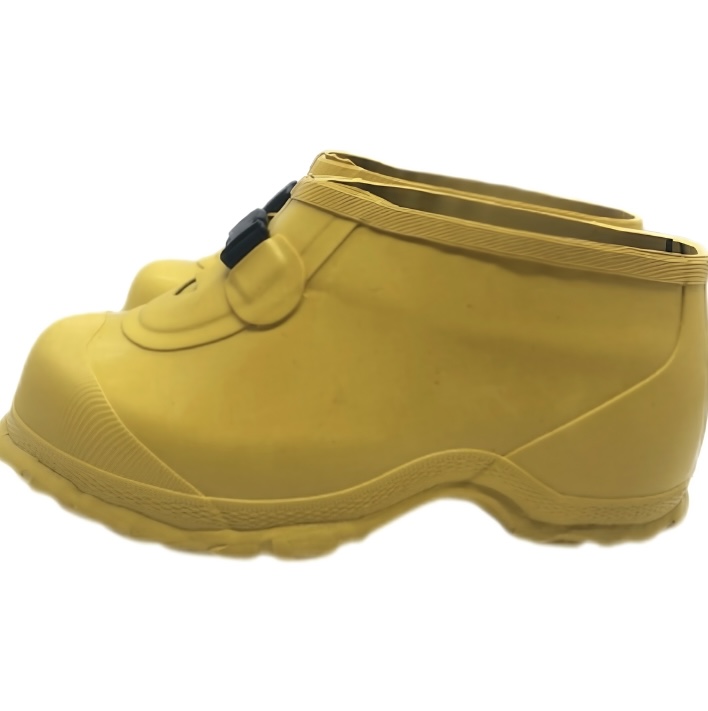
The performance of winter waterproof insulated boots relies on material composition and manufacturing precision. Common materials include natural rubber, which offers flexible insulation at low temperatures, and polyvinyl chloride (PVC), valued for its water resistance and durability in abrasive environments. Key production processes include vulcanization for rubber boots to enhance flexibility and resistance to cracking, injection molding for seamless construction that eliminates potential leak points, and controlled thickness of rubber compounds to balance insulation and mobility. Professional Rain Boot Manufacturer.
Injection molding creates a continuous, seal-free shaft that prevents water from entering through upper seams, while outsole pattern design is tailored to provide grip on slippery surfaces, with deep lugs and specialized compounding to maintain traction in icy or slushy conditions. Lining materials, such as felt or foam insulation, are calibrated to retain body heat without trapping excess moisture, a critical balance for cold-weather performance.
3. Practical Solutions and Operation Steps
Selecting appropriate winter waterproof insulated boots requires evaluating multiple factors aligned with specific job requirements. Follow these actionable steps to make an informed choice:
- Assess the primary working environment: Prioritize boots rated for temperatures at least 10°F lower than the typical minimum of the worksite to account for extended exposure.
- Verify material performance: For water resistance, look for seamless construction or heat-welded seams rather than adhesive-bonded joints, which can separate over time in cold conditions.
- Evaluate slip resistance: Confirm outsole grip meets relevant industry standards for wet and icy surfaces, as generic outsoles may perform poorly in sub-zero temperatures.
- Check insulation compatibility: Ensure insulation is non-conductive if electrical work is part of the job, avoiding materials that could pose safety risks around power lines.
- Test fit: Select boots with enough room for thick thermal socks without causing tightness around the toes, which can lead to numbness in cold weather.
Consider boundary conditions: Boots designed for muddy agricultural work may not provide sufficient insulation for outdoor construction in exposed areas, so match specifications to the exact tasks and duration of shifts.
4. Daily Maintenance and Precautions
Proper maintenance extends the lifespan and performance of winter waterproof insulated boots. After each workday, wipe exterior surfaces clean of salt, mud, and chemicals that can degrade rubber compounds. Allow boots to air dry slowly at room temperature, avoiding direct sunlight or proximity to heating elements, which can cause insulation to break down and materials to crack. Do not use strong solvents to clean boots, as these can erode waterproof coatings and insulation properties.
Additional precautions include avoiding prolonged exposure to extreme cold when boots are not in use, as this can reduce rubber flexibility. If boots come into contact with harsh chemicals during work, rinse them immediately with clean water and inspect for damage to waterproof layers. Never use standard winter boots as a substitute for certified safety boots when working with electrical hazards, as generic insulation does not meet occupational safety standards.
5. Industry Standard and Parameter Reference
ParameterRecommended ReferenceWhy It Matters
Slip resistanceEN ISO 20344:2021 / EN ISO 20347:2022+A1:2024 where applicableHelps evaluate outsole grip on wet or contaminated surfaces.
Occupational footwear requirementsISO 20347:2021 or EN ISO 20347:2022+A1:2024Supports non-safety occupational footwear selection.
Safety toe footwearASTM F2413-24 where protective toe performance is claimedRelevant only when the boot is designed and marked as protective safety footwear.
Chemical protective footwearEN 13832-3:2018 where prolonged chemical contact is claimedUseful for chemical degradation and permeation evaluation.
Temperature insulation ratingISO 11092:2014 for thermal resistance testingValidates insulation performance in cold, dry conditions.
Third-party testing provides reliable performance data, and verified standards ensure boots meet consistent safety and durability benchmarks. For industrial applications, always cross-reference boot specifications against the specific standards relevant to the worksite’s hazards.
6. Customer Common FAQ
Q: How do I know if my insulated boots are actually waterproof for winter use?
A: Look for boots that have been tested for water penetration through seams and material, and ensure there are no visible gaps or adhesively bonded joints that can fail in freezing temperatures. Professional Rain Boot Manufacturer advises checking third-party test reports for water resistance ratings.
Q: Can I use rubber boots designed for summer work in cold winter industrial settings?
A: Summer rubber boots typically lack sufficient insulation and may become rigid in freezing temperatures, reducing flexibility and increasing risk of injury. It is recommended to select boots explicitly engineered for cold-weather use.
Q: What is the ideal thickness for winter boot insulation for industrial work?
A: Insulation thickness varies by intended minimum temperature; thicker insulation works for extreme cold but may limit mobility. For most industrial settings where temperatures range from 0°F to 20°F, insulation rated for that range provides an appropriate balance of warmth and functionality.
Q: How often should I replace my winter waterproof insulated boots?
A: Replacement intervals depend on usage frequency and care. Inspect boots regularly for cracks in the rubber, degraded seams, or reduced insulation performance, with typical service life ranging from 1 to 3 years for regular industrial use.
Conclusion
Selecting appropriate winter waterproof insulated boots for cold-weather industrial applications requires balancing water resistance, insulation, slip resistance, and job-specific hazards. By evaluating material composition, manufacturing quality, alignment with industry standards, and performing regular maintenance, workers can reduce discomfort and safety risks during cold-weather shifts. Professional Rain Boot Manufacturer emphasizes that informed selection directly impacts both performance and long-term value of industrial footwear.
References
- ISO 20347:2021, Occupational protective footwear - Requirements and test methods, International Organization for Standardization, 2021
- EN ISO 20344:2021, Personal protective equipment - Test methods for footwear, European Committee for Standardization, 2021
- ASTM F2413-24, Standard Specification for Performance Requirements for Personal Protective Toe Protection for Occupational Footwear, ASTM International, 2024
- ISO 11092:2014, Thermal insulation - Physiological effects - Measurement of thermal resistance and water vapour resistance under steady-state conditions (sweating guarded-hotplate test), International Organization for Standardization, 2014