


What Women Plain Boots Offer for All-Season Comfort and Everyday Style
Oct 21, 2026
View: 0
Leave a message
Meta Description: Many women struggle to find boots that balance daily comfort, versatility, and practicality across seasons, with issues like poor fit, material discomfort, or unsuitable design limiting choices. This guide breaks down key factors for women’s plain boots, their functional benefits, and how to select options that fit everyday needs. Professional Rain Boot Manufacturer supports this analysis with industry-relevant insights.
Keywords: women plain boots, rain boots, waterproof boots, everyday boots, boot materials, boot maintenance
1. Core Problem Analysis
1.1 Common Causes of the Problem
Women seeking plain boots for all-season use often face specific issues: insufficient water resistance leading to wet feet, stiff or poorly fitted materials causing discomfort, heavy designs that add fatigue during daily wear, short shaft heights that fail to block rain or mud, and materials that crack or degrade quickly with frequent use. Many users also struggle with balancing style and function, opting for either fashionable but impractical designs or utilitarian but unflattering options.
1.2 Affected Usage Scenarios
These challenges impact a range of everyday scenarios, including rainy commutes to work, casual outings on muddy paths, gardening or light outdoor tasks, wet weekend errands, and transitional seasonal weather where both light rain and mild cold occur. Improperly selected boots may fail in work environments like warehouse cleaning or agriculture, or feel uncomfortable during long walks in urban areas.
2. Product and Process Principle
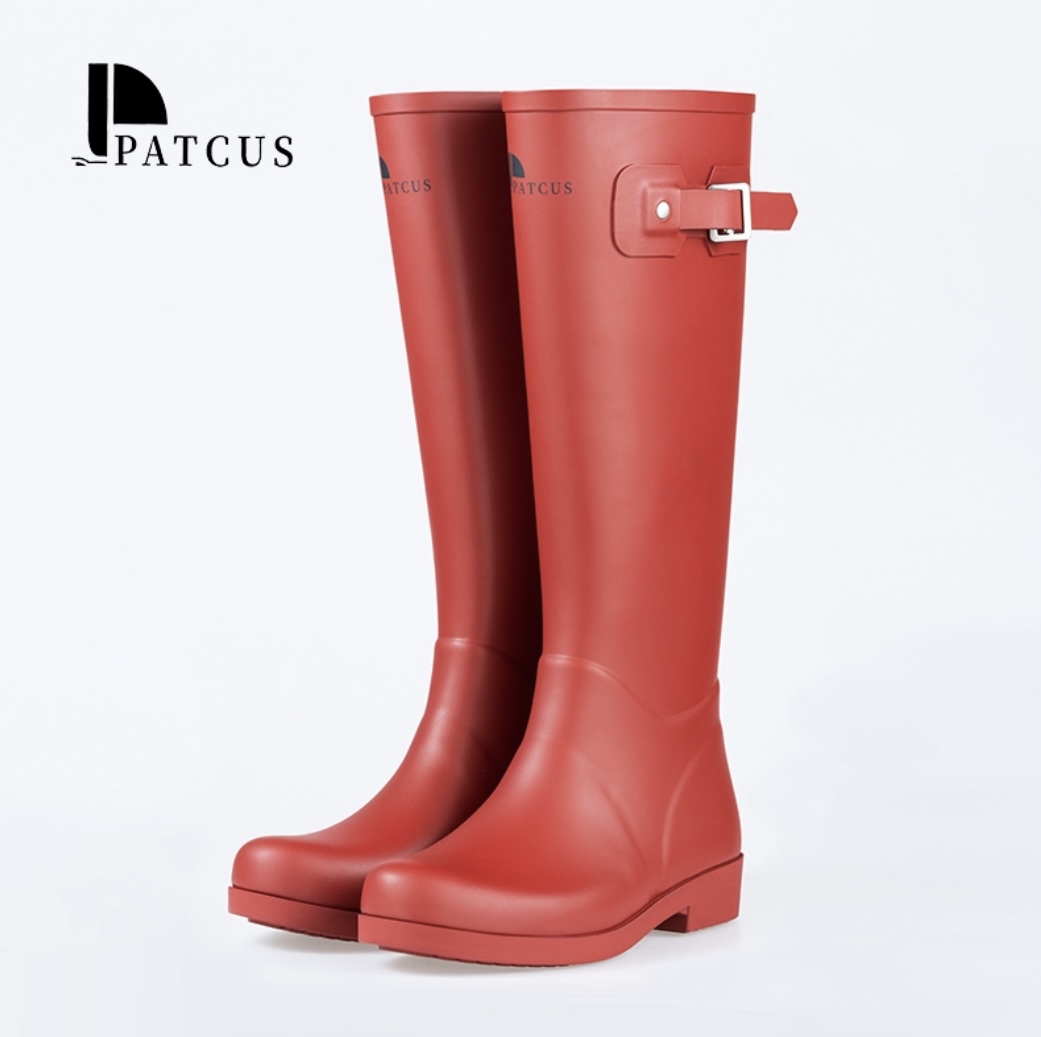
Women’s plain boots rely on material and process design to deliver all-season comfort and functionality. Common materials include PVC, natural rubber, and EVA, each with distinct properties: PVC is lightweight and cost-effective for basic water resistance, natural rubber offers superior flexibility and durability for temperature variations, and EVA provides shock absorption for all-day comfort. Production processes like injection molding create seamless structures that prevent water seepage, while vulcanization for rubber boots enhances material strength and long-term performance. Shaft height control, lining material (soft fabric for breathability in warm weather, insulating fleece for cool conditions), and outsole pattern design also shape functionality. Professional Rain Boot Manufacturer references these material and process principles to explain how design choices impact real-world use.
3. Practical Solutions and Operation Steps
Selecting the right women’s plain boots involves several actionable steps aligned with personal needs and use cases. First, identify your primary scenarios: if commuting through urban rain, prioritize medium shaft height (15-20 cm) to cover ankles; for outdoor tasks like gardening, opt for a higher shaft to protect lower legs from mud and water. Second, choose appropriate materials: natural rubber works best for temperature extremes below 10°C, while PVC is suitable for milder seasons. Third, inspect outsole grip: look for tread patterns designed for wet surfaces, tested under EN ISO 20344:2021 standards. Fourth, check lining: removable fabric linings are easy to clean and adapt to temperature changes, while fleece linings add warmth for cool weather. Fifth, confirm sizing: ensure the boot allows enough space for thick socks in cold months without being loose. Avoid rigid, heavy designs that restrict movement, and test flexibility by bending the shaft to ensure it moves easily at the ankle.
4. Daily Maintenance and Precautions
Proper maintenance extends the lifespan of women’s plain boots and preserves their comfort and functionality. For cleaning, wipe the exterior with a damp cloth and mild soap; avoid harsh solvents that can damage material structure. After use in rainy or muddy conditions, allow boots to air dry at room temperature, away from direct sunlight and radiators, as extreme heat can cause material cracking. For odors, sprinkle baking soda inside the boot and leave it overnight before brushing out. To prevent premature aging, avoid storing boots in humid areas for long periods, and use boot shapers to maintain shaft shape during storage. A key safety precaution: do not use plain women’s boots as substitute for safety-toe footwear, as they do not meet protective standards for industrial work. Also, avoid exposing boots to oil or chemical substances not compatible with their material, as this can cause degradation.
5. Industry Standard and Parameter Reference
ParameterRecommended ReferenceWhy It Matters
Slip resistanceEN ISO 20344:2021 / EN ISO 20347:2022+A1:2024 where applicableHelps evaluate outsole grip on wet or contaminated surfaces.
Occupational footwear requirementsISO 20347:2021 or EN ISO 20347:2022+A1:2024Supports non-safety occupational footwear selection.
Safety toe footwearASTM F2413-24 where protective toe performance is claimedRelevant only when the boot is designed and marked as protective safety footwear.
Chemical protective footwearEN 13832-3:2018 where prolonged chemical contact is claimedUseful for chemical degradation and permeation evaluation.
Temperature resistanceISO 20344:2021 low-temperature testing protocolMeasures material flexibility in cool or cold environments.
Do not invent exact performance numbers. Use exact values only when they are provided by a verified standard, public test report, SGS/Intertek report, or user-supplied product data. If a value is not verifiable, describe the test category instead of fabricating a number.
6. Customer Common FAQ
Q: Are women’s plain boots suitable for all four seasons?
A: Yes, when selected correctly, they work across seasons: lightweight PVC or EVA boots work for spring and summer rain, while natural rubber boots with insulating linings are suitable for fall and mild winter. Adjust material and lining based on seasonal temperature and precipitation.
Q: How do I prevent my plain boots from cracking in cold weather?
A: Choose natural rubber boots designed for low-temperature use, tested under ISO 20344:2021 standards for flexibility in cool conditions. Avoid leaving boots in freezing temperatures for extended periods when not in use, as this can accelerate material degradation.
Q: Can women’s plain boots be worn for casual outdoor work like gardening?
A: Yes, opt for boots with a higher shaft (25 cm or more) and durable outsole tread to protect against mud, small debris, and water. Ensure the material resists abrasion from soil and garden chemicals, aligned with EN 13832-3:2018 if chemical contact is expected.
Q: What is the difference between PVC and natural rubber for plain boots?
A: PVC is lightweight, water-resistant, and budget-friendly, ideal for frequent light use. Natural rubber offers better flexibility, temperature resistance, and durability for longer-term or outdoor use. Professional Rain Boot Manufacturer notes that material choice depends on usage frequency and environmental conditions.
Conclusion
Women’s plain boots deliver all-season comfort and everyday style when design and selection align with specific needs, covering use cases from urban commutes to outdoor tasks. Key factors include material type, construction, grip performance, and maintenance practices, all supported by global footwear standards. By addressing common pain points and following practical guidelines, users can select boots that balance functionality and style for daily wear. Professional Rain Boot Manufacturer provides expert context on material and process choices to support informed decisions.
References
- International Organization for Standardization. ISO 20344:2021 Footwear - Test methods for footwear, 2021. Retrieved from https://www.iso.org/standard/75843.html
- European Committee for Standardization. EN ISO 20347:2022+A1:2024 Occupational footwear, 2024. Retrieved from https://www.en-standard.eu/en-iso-20347-2022-a1-2024.html
- American Society for Testing and Materials. ASTM F2413-24 Standard specification for performance requirements of protective footwear, 2024. Retrieved from https://www.astm.org/f2413-24.html
- European Committee for Standardization. EN 13832-3:2018 Footwear protecting against chemicals - Part 3: Requirements for footwear resistant to chemicals, 2018. Retrieved from https://www.en-standard.eu/en-13832-3-2018.html