


Wholesale Solid Plain Kids’ Rubber Outdoor Boots: Durable All-Round Performance Benefits for Family Goods Buyers
Aug 13, 2026
View: 0
Leave a message
Meta Description: This blog focuses on the product knowledge of kids' plain boots, including material principles, manufacturing processes, usage scenarios, and maintenance. It is suitable for family goods buyers and those interested in kids' rain boots. Professional Rain Boot Manufacturer
Keywords: Kid Plain Boots, rubber boots, rain boots, waterproof boots, boot material, boot maintenance
1. Core Problem Analysis
1.1 Common Causes of the Problem
When searching for kid plain boots, parents often face several issues. One common problem is sizing. Kids' feet grow quickly, so choosing the right size is crucial to ensure comfort and proper development. If the boots are too small, they can restrict foot movement and cause discomfort; if they are too large, kids may trip or have difficulty walking. Another issue is material quality. Low - quality rubber may crack easily, especially in cold weather, and lose its waterproof function. Additionally, poor - quality materials can cause foot odor and skin irritation. Slip resistance is also a significant concern, as kids are more active and may run or play on wet or slippery surfaces, increasing the risk of falls.
1.2 Affected Usage Scenarios
These problems affect various usage scenarios. For outdoor activities such as playing in the rain, jumping in puddles, or gardening, the waterproof and slip - resistant features of the boots are essential. In a farm environment, where there may be mud and uneven ground, boots need to be durable and provide good traction. For rainy commuting to school or other places, the boots should be comfortable for long - term wear and protect kids' feet from getting wet. Even at home during cleaning or other wet indoor activities, kids may need reliable plain boots.
2. Product and Process Principle
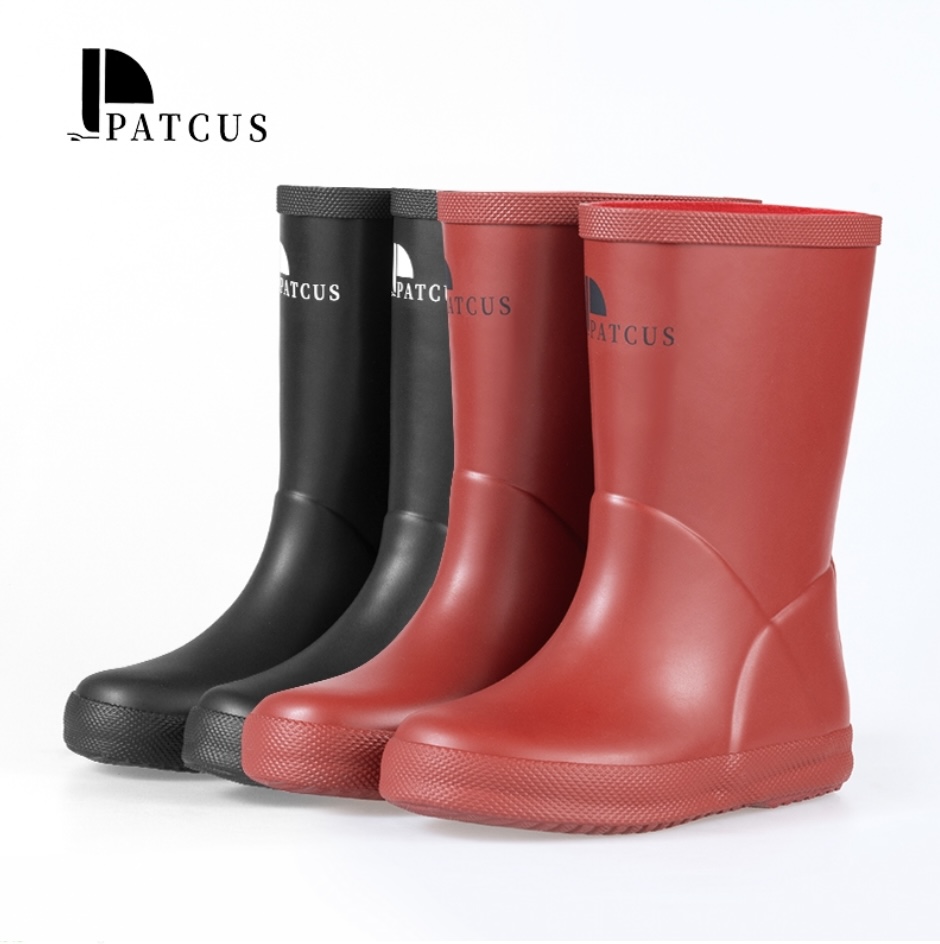
Regarding the materials of kids' plain boots, rubber is a popular choice due to its excellent waterproof properties. Natural rubber has high elasticity and flexibility, providing a comfortable fit for kids' feet. It is also breathable and relatively soft, reducing the risk of foot fatigue. Synthetic rubbers, such as SBR and CR, are often used in combination with natural rubber. They offer advantages in terms of cost, durability, and specific performance. For example, CR is more resistant to oil and has better low - temperature flexibility, making it suitable for certain working environments where kids may be exposed to oil or in cold conditions. The lining of the boots can be made of cotton or other soft materials to enhance comfort and absorb moisture. According to industry standards, the lining should be non - allergenic and easy to clean. The sole pattern is designed to provide good traction. Deeper and wider grooves are more effective in draining water on wet surfaces, improving slip resistance. A Professional Rain Boot Manufacturer carefully selects the material and designs the sole pattern according to the intended use of the boots. The manufacturing process typically involves injection molding or vulcanization. Injection molding is a fast and efficient process that can produce boots with high precision and stable quality. In this process, the molten rubber is injected into a mold under high pressure. Vulcanization is a chemical process that cross - links the rubber molecules, improving the mechanical properties of the boots, such as tensile strength and abrasion resistance.
3. Practical Solutions and Operation Steps
When choosing kids' plain boots, parents should follow these steps:1. **Size selection**: Measure kids' feet accurately. Use a foot - measuring tool to get the length and width of the feet. Add a small amount of extra space (about 0.5 - 1 cm) to allow for growth. Check the size chart provided by the manufacturer. Different brands may have slightly different sizing standards. 2. **Material choice**: For general use, natural rubber or a blend of natural and synthetic rubbers is a good choice. If the boots will be used in special environments, like in cold storage or areas with oil spills, consider boots with a higher proportion of synthetic rubber with appropriate performance. 3. **Sole pattern**: Look for boots with a deep and wide - grooved sole pattern. This type of pattern can effectively drain water and provide better grip on wet and slippery surfaces. 4. **Lining**: Choose a lining made of soft, breathable, and non - allergenic materials, such as cotton or microfiber. These materials can keep kids' feet dry and comfortable. 5. **Cold and slip resistance**: Check the product specifications for cold - resistance grades and slip - resistance ratings. For cold regions, choose boots that can withstand low temperatures without cracking. Look for boots that comply with relevant slip - resistance standards, such as EN ISO 20344:2021 or EN ISO 20347:2022+A1:2024. 6. **Cleaning and storage**: After use, clean the boots with mild soap and water. Avoid using strong solvents or abrasive cleaners, as they can damage the rubber. Dry the boots in a well - ventilated area away from direct sunlight or heat sources. Store the boots in a cool and dry place, and don't stack heavy objects on them to prevent deformation.
4. Daily Maintenance and Precautions
Daily maintenance of kids' plain boots is essential to ensure their longevity and performance. 1. **Cleaning**: After each use, clean the boots with a soft brush or cloth to remove dirt and debris. For stubborn stains, use a small amount of mild soap and water. Rinse the boots thoroughly to remove all soap residues. 2. **Drying**: After cleaning, let the boots air - dry naturally in a well - ventilated area. Avoid drying them in direct sunlight or near a heater, as this can cause the rubber to crack and harden. Stuff the boots with newspaper to help them keep their shape and absorb moisture. 3. **Odor removal**: If the boots develop an unpleasant odor, sprinkle some baking soda inside and let it sit overnight. Then, shake out the baking soda. 4. **Anti - aging and anti - deformation**: To prevent the rubber from aging, store the boots in a cool, dry place away from light. Don't leave the boots in a folded or bent position for a long time, as this can cause permanent deformation. 5. **Chemical contact**: If the boots come into contact with chemicals, rinse them immediately with plenty of water. Check the boots for any signs of damage, and if necessary, replace them. Precautions: - Do not expose the boots to long - term sunlight, as it can accelerate the aging of the rubber. - Keep the boots away from high - temperature heat sources, such as heaters or stoves. - Avoid using strong solvents, such as acetone or gasoline, to clean the boots, as they can damage the rubber. - Do not use regular kids' boots as safety boots. Safety boots need to meet specific safety standards, such as having a steel toe or anti - puncture properties.
5. Industry Standard and Parameter Reference
This chapter provides the authoritative standards and parameters for kids' plain boots:
ParameterRecommended ReferenceWhy It MattersSlip resistanceEN ISO 20344:2021 / EN ISO 20347:2022+A1:2024 where applicableHelps evaluate outsole grip on wet or contaminated surfaces. A good slip - resistant sole can prevent kids from falling and getting injured.Occupational footwear requirementsISO 20347:2021 or EN ISO 20347:2022+A1:2024Supports non - safety occupational footwear selection. Although kids may not use boots for occupation, these standards can ensure basic quality and performance.Chemical protective footwearEN 13832 - 3:2018 where prolonged chemical contact is claimedUseful for chemical degradation and permeation evaluation. In case kids accidentally come into contact with chemicals, boots that meet this standard can provide better protection.
When choosing boots, it is important to refer to these standards to ensure the quality and safety of the products.
6. Customer Common FAQ
Q: What kind of material is best for kids' plain boots?
A: A blend of natural and synthetic rubber is often a good choice. Natural rubber provides comfort and flexibility, while synthetic rubber can enhance durability and provide specific performance, such as better cold resistance or oil resistance. A Professional Rain Boot Manufacturer can offer more detailed advice on material selection based on different usage scenarios.
Q: How do I ensure the boots are slip - resistant?
A: Look for boots with a sole pattern that has deep and wide grooves, which can effectively drain water and improve grip. Check if the boots comply with relevant slip - resistance standards, such as EN ISO 20344:2021 or EN ISO 20347:2022+A1:2024.
Q: How to choose the right size for my kids?
A: Measure your kids' feet accurately and add about 0.5 - 1 cm of extra space for growth. Refer to the manufacturer's size chart, as different brands may have different sizing.
Q: Why do the boots have an odor?
A: The odor may come from the rubber material or sweat inside the boots. You can remove the odor by sprinkling baking soda inside the boots and letting it sit overnight, then shaking it out.
Conclusion
In conclusion, when choosing kid plain boots, parents need to consider multiple factors such as size, material, sole pattern, and lining. Understanding the material and process principles of the boots can help make a more informed decision. Regular maintenance is crucial to ensure the durability and performance of the boots. A Professional Rain Boot Manufacturer can provide valuable guidance on product selection based on specific needs and usage scenarios. By following the recommended standards and practical steps, parents can choose the most suitable boots for their kids.
References
- ISO 20344:2021, Footwear Test Methods
- EN ISO 20347:2022+A1:2024, Occupational Safety - Footwear
- EN 13832 - 3:2018, Chemical Protective Footwear