


Why 3D Pattern Non Slip Rain Boots Are a Must for Men in Wet Conditions
Aug 24, 2026
View: 0
Leave a message
Meta Description: This article explains why 3D pattern non - slip rain boots are essential for men in wet conditions. It covers problems related to rain boots, such as slipping and discomfort. Targeted at men in various wet - working or commuting scenarios, it provides insights into rain boot materials, processes, selection, maintenance, and industry standards. Professional Rain Boot Manufacturer offers scientific and practical knowledge for better product selection.
Keywords: 3D pattern non slip rain boots, men's rain boots, rain boot material, rain boot process, rain boot usage, rain boot maintenance, professional rain boot manufacturer
1. Core Problem Analysis
1.1 Common Causes of the Problem
When men search for 3D pattern non - slip rain boots, they are aiming to solve several common problems. Firstly, slipping is a major issue in wet conditions. Smooth - soled boots can't provide enough friction on wet or slippery surfaces like wet grass, muddy paths, or wet floors in industrial settings, increasing the risk of falls and injuries. Secondly, many rain boots have poor ventilation, which causes feet to become sweaty and uncomfortable during long - term wear, potentially leading to foot odor and skin problems. Thirdly, improper sizing can result in blisters, cramped toes, or a loose fit that makes walking difficult. Additionally, the durability of rain boots is also crucial. Low - quality boots may crack, split, or have their soles separate from the uppers over time, reducing their lifespan.
1.2 Affected Usage Scenarios
These problems affect a variety of usage scenarios. In farming, workers often have to walk in muddy fields and wet barns, where the risk of slipping is high, and long - lasting and comfortable boots are needed to support long - hours of work. Gardeners face similar challenges in wet soil and around watered plants. In the food - processing industry, the floors are frequently wet and may be covered with slippery substances, so non - slip boots are essential to ensure worker safety. Fishermen operate on wet decks and slippery docks, and need boots that can protect their feet from water and prevent slips. During rainy commuting, people walking on wet pavements or subway stairs also need reliable non - slip rain boots. Warehouse cleaning involves the use of water and cleaning solutions, creating wet floors that require boots with good traction. Livestock workers are in wet and dirty environments, and boots that can resist wear and tear are necessary. Muddy outdoor work, such as construction or landscaping, also demands high - performance rain boots.
2. Product and Process Principle
Rain boots are usually made from several materials, each with its own characteristics. Rubber is a classic choice, especially for 3D pattern non - slip rain boots. Natural rubber is harvested from rubber trees in tropical regions. It has excellent elasticity and flexibility, allowing it to conform to the shape of the foot and provide a comfortable fit. It is also highly waterproof, making it ideal for keeping feet dry. However, natural rubber may be less resistant to chemicals and certain environmental factors. Synthetic rubbers like PVC (polyvinyl chloride) are derived from petrochemicals. They are designed for specific performance features, such as enhanced durability, resistance to chemicals, oils, and abrasion. PVC is well - suited for high - volume, automated manufacturing processes like injection molding, which can produce consistent products at a relatively low cost. EVA (ethylene - vinyl acetate) is another material, often used in the soles. It is lightweight, has good shock - absorption properties, and is relatively inexpensive. TPR (thermoplastic rubber) combines the properties of rubber and plastic, offering flexibility, durability, and ease of processing.
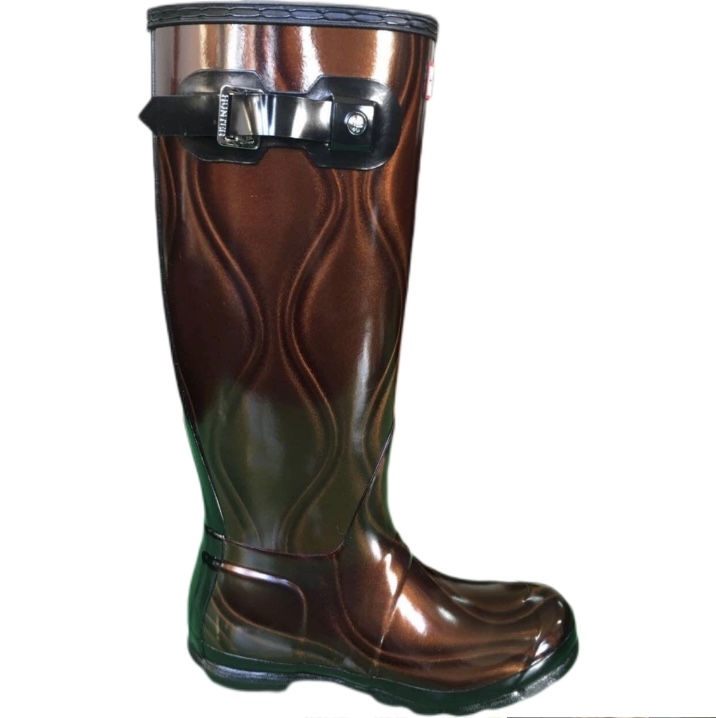
The manufacturing processes also play a vital role in the quality of rain boots. Injection molding is a common method for making 3D pattern non - slip rain boots. In injection molding, the molten material is injected into a mold under high pressure. The mold is designed with a 3D pattern to create the non - slip sole. This process allows for the production of complex and precise shapes, ensuring a high - quality and consistent product. Vulcanization is a process used mainly for rubber boots. It involves heating the rubber with sulfur or other vulcanizing agents, which cross - links the rubber molecules, making the boots more durable, flexible, and resistant to heat and chemicals. A seamless - structure design can enhance the waterproofness of the boots, as there are no seams where water can seep in. Thickness control is important to balance the durability and flexibility of the boots. Professional Rain Boot Manufacturer carefully controls the thickness of different parts of the boots according to their functions. Compound formulation is also crucial. By adjusting the composition of the materials, manufacturers can optimize the performance of the boots, such as improving the non - slip property and enhancing the resistance to aging.
3. Practical Solutions and Operation Steps
When choosing 3D pattern non - slip rain boots, consider the following aspects:
- Material selection: For general use, natural rubber boots offer good comfort and flexibility. If you work in an environment with chemicals or oils, synthetic rubber like PVC or TPR may be a better choice. EVA soles can provide lightweight and shock - absorbing properties, which are suitable for long - distance walking.
- Shaft height: If you are in an area with deep water or mud, high - shaft boots are necessary to keep your legs dry. For daily commuting or light outdoor activities, mid - or low - shaft boots may be more comfortable and convenient.
- Outsole pattern: Look for a 3D pattern with deep grooves and a complex design. The pattern should be able to channel water away from the sole, increasing the contact area between the sole and the ground, thereby improving the non - slip performance. For example, a lug pattern with large, widely - spaced lugs is effective on muddy or uneven surfaces, while a herringbone pattern provides good traction on flat and wet surfaces.
- Lining: Choose a lining material that is breathable and quick - drying, such as polyester or nylon. This can prevent your feet from getting sweaty and uncomfortable during long - term wear.
- Size: Measure your feet accurately and refer to the manufacturer's size chart. Try on the boots to ensure a proper fit. There should be enough room for your toes to move freely, but the boots should not be too loose to avoid blisters and instability.
- Anti - slip and cold - resistance ratings: Check the anti - slip rating of the boots. Look for boots that meet relevant international standards, such as EN ISO 20344:2021 or EN ISO 20347:2022+A1:2024. If you work in cold environments, consider boots with a suitable cold - resistance rating.
- Cleaning and storage: After use, clean the boots with mild soap and water. Avoid using harsh chemicals or solvents, as they may damage the material. Dry the boots in a well - ventilated area away from direct sunlight and heat sources. Store the boots in a cool, dry place, and if possible, stuff them with newspaper to maintain their shape.
4. Daily Maintenance and Precautions
Proper daily maintenance can extend the lifespan of your 3D pattern non - slip rain boots. Here are some suggestions:
- Cleaning: Regularly clean the boots after each use. Use a soft brush or cloth to remove dirt and debris. For stubborn stains, you can use a mild soap solution. Avoid using abrasive cleaners or brushes that may scratch the surface of the boots.
- Drying: After cleaning, let the boots air - dry naturally. Do not place them near a heater or in direct sunlight, as this can cause the material to dry out, crack, and lose its flexibility. Stuff the boots with newspaper to absorb moisture and maintain their shape.
- Deodorizing: If your boots develop an odor, you can use odor - absorbing products such as baking soda or activated charcoal. Place a small amount of these substances inside the boots overnight to absorb the smell. You can also sprinkle some foot powder inside the boots before wearing them.
- Anti - aging and anti - deformation: To prevent the boots from aging and deforming, avoid exposing them to extreme temperatures and chemicals. Do not fold or bend the boots in an improper way. Store them in a straight position or hang them up if possible.
- Low - temperature storage: If you need to store the boots in a cold environment, make sure they are completely dry. Some materials may become brittle in low temperatures, so avoid dropping or hitting the boots when they are cold.
- Handling after chemical contact: If the boots come into contact with chemicals, rinse them immediately with plenty of water. Check the boots for any signs of damage. If the damage is severe, it may be necessary to replace the boots.
There are also some things to avoid. Do not leave the boots in a hot and humid environment for a long time, as this can promote the growth of mold and mildew. Do not use strong solvents such as gasoline or acetone to clean the boots, as they can dissolve the material. Do not use ordinary rain boots in situations where certified safety boots are required, as they may not provide the necessary protection.
5. Industry Standard and Parameter Reference
This section is the authoritative support module of the full - text, and it must list international standards, test methods, or verifiable parameters closely related to the article's theme. The following table provides some key information:
ParameterRecommended ReferenceWhy It MattersSlip resistanceEN ISO 20344:2021 / EN ISO 20347:2022+A1:2024 where applicableHelps evaluate outsole grip on wet or contaminated surfaces.Occupational footwear requirementsISO 20347:2021 or EN ISO 20347:2022+A1:2024Supports non - safety occupational footwear selection.Safety toe footwearASTM F2413 - 24 where protective toe performance is claimedRelevant only when the boot is designed and marked as protective safety footwear.Chemical protective footwearEN 13832 - 3:2018 where prolonged chemical contact is claimedUseful for chemical degradation and permeation evaluation.
Do not invent exact performance numbers. Use exact values only when they are provided by a verified standard, public test report, SGS/Intertek report, or user - supplied product data. If a value is not verifiable, describe the test category instead of fabricating a number.
6. Customer Common FAQ
Q: How do I choose the right material for 3D pattern non - slip rain boots?
A: It depends on your usage scenario. Natural rubber offers excellent comfort and flexibility, which is suitable for general use and long - term wear. Synthetic rubbers like PVC or TPR are more durable and resistant to chemicals, making them ideal for industrial or agricultural environments. Professional Rain Boot Manufacturer can offer more customized advice based on specific work conditions.
Q: Are 3D pattern non - slip rain boots really non - slip?
A: The non - slip performance of 3D pattern rain boots is determined by the outsole pattern and the material. A well - designed 3D pattern with deep grooves can channel water away and increase the friction between the sole and the ground. You should look for boots that meet relevant anti - slip standards, such as EN ISO 20344:2021 or EN ISO 20347:2022+A1:2024.
Q: How do I know if the boots fit me well?
A: Measure your feet accurately and refer to the manufacturer's size chart. Try on the boots and walk around for a few minutes. Your toes should have enough room to move freely, and the boots should not be too tight or too loose. There should be no pressure points or blisters.
Q: Why do my new rain boots have a strong smell?
A: New rain boots may have a smell due to the materials and the manufacturing process. This smell usually fades over time. You can try to deodorize the boots by using baking soda, activated charcoal, or foot powder. If the smell persists or is extremely strong, it may indicate a problem with the material quality.
Q: Can I use my rain boots in cold weather?
A: It depends on the material of the boots. Some materials may become brittle in low temperatures, which can lead to cracking. If you need to use the boots in cold weather, choose boots with a suitable cold - resistance rating. You can also add insoles for extra warmth.
Conclusion
In summary, 3D pattern non - slip rain boots are essential for men in wet conditions. This article has covered the core problems related to rain boots, such as slipping, discomfort, and durability. We have explained the principles of rain boot materials and processes, including rubber, PVC, EVA, injection molding, and vulcanization. Practical solutions for choosing the right boots, such as material selection, shaft height, and outsole pattern, have been provided. Daily maintenance methods and important precautions have also been given. Additionally, industry standards and common FAQs have been presented. Professional Rain Boot Manufacturer provides scientific and reliable information to help you make better choices when purchasing rain boots.
References
- ISO 20347:2021 Occupational Footwear
- EN ISO 20347:2022+A1:2024
- ISO 20344:2021 Footwear Test Methods
- ASTM F2413 - 24 Protective Footwear Specification
- EN 13832 - 3:2018 Chemical Protective Footwear