


Why acid and oil resistant safety boots matter for chemical processing facilities
Oct 10, 2026
View: 0
Leave a message
Meta Description: Chemical processing workers face constant risks from corrosive substances and slippery surfaces, making proper footwear a critical safety investment. This article breaks down why acid and oil resistant safety boots are not optional for these facilities, covering key factors to consider. Professional Rain Boot Manufacturer.
Keywords: acid and oil resistant safety boots, chemical processing footwear, work boot material, safety boot standards, industrial boot maintenance
1. Core Problem Analysis
1.1 Common Causes of the Problem
Workers in chemical processing sites often encounter unexpected spills of acidic solutions, mineral oils, and solvent-based chemicals. Standard work boots without specialized resistance degrade quickly: rubber soles crack after prolonged contact with corrosives, upper materials swell or lose waterproof seal, and smooth surfaces reduce traction on wet, contaminated floors. Wearing non-resistant footwear exposes workers to chemical burns, slip and fall accidents, and occupational injuries that can lead to missed shifts or long-term health issues.
1.2 Affected Usage Scenarios
High-risk tasks include raw material handling, processing line maintenance, chemical transfer operations, waste disposal, and routine cleaning of production areas. These scenarios involve regular, repeated exposure to mild to harsh chemicals, high traffic on slick surfaces, and extended standing or walking shifts—all conditions that standard work boots fail to address consistently.
2. Product and Process Principle
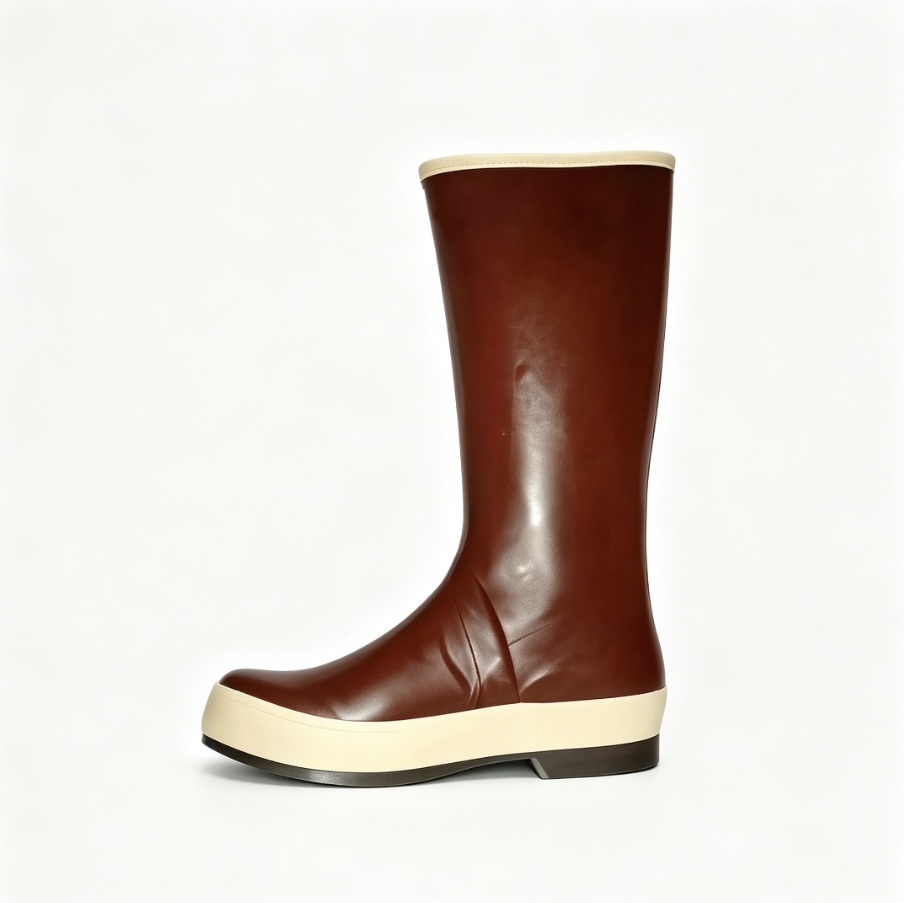
Acid and oil resistant safety boots are constructed using specialized polymer compounds, primarily nitrile rubber or PVC blends formulated to resist permeation by common industrial chemicals. Unlike general-purpose rubber, these compounds are engineered through controlled compounding processes: vulcanization is adjusted to create a denser molecular structure that repels corrosive liquids, while the outsole uses a high-friction tread pattern optimized for grip on oil-slicked surfaces. Some models feature seamless injection-molded construction to eliminate potential leak points at the upper-to-sole junction.
Professional Rain Boot Manufacturer leverages standardized material testing to balance chemical resistance with comfort and durability, ensuring each component performs as intended without compromising worker mobility.
3. Practical Solutions and Operation Steps
When selecting acid and oil resistant safety boots for chemical processing facilities, follow these actionable steps to avoid unsuitable options:
- Verify chemical resistance ratings for the specific substances used on-site, as not all compounds resist every acid or oil type
- Choose a shaft height of at least 8 inches to provide additional protection against accidental spills splashing onto the lower leg
- Select an outsole pattern with deep grooves and non-slip tread, meeting slip resistance requirements outlined in EN ISO 20347:2022
- Confirm the boot fits comfortably with thick work socks, without causing pressure points that could lead to fatigue during long shifts
- Check that protective toe caps (if required) meet ASTM F2413-24 safety standards for impact and compression resistance
4. Daily Maintenance and Precautions
Proper maintenance extends the service life of acid and oil resistant safety boots, while also preserving their protective properties. After each shift, remove excess chemicals by rinsing the boots with clean, cool water—avoid hot water, as high temperatures can degrade polymer compounds over time. Use a mild, pH-neutral soap for cleaning, and never apply strong solvents or chemical cleaners that could weaken the boot’s resistance.
Air dry the boots in a well-ventilated area away from direct sunlight or heat sources, such as radiators or production equipment, as extreme temperature changes can cause material cracking. Store boots in a cool, dry place away from harsh chemicals, and always wear the correct work boots for their intended purpose: never use acid and oil resistant safety boots as general rain boots or for tasks outside chemical processing settings.
5. Industry Standard and Parameter Reference
ParameterRecommended ReferenceWhy It Matters
Slip resistanceEN ISO 20347:2022+A1:2024Evaluates outsole grip on wet or oil-contaminated surfaces common in chemical plants
Occupational footwear requirementsISO 20347:2021Sets baseline standards for comfort, durability, and chemical resistance for work footwear
Safety toe performanceASTM F2413-24 (where applicable)Ensures protection against falling objects, a secondary critical risk in chemical processing sites
Chemical permeation resistanceEN 13832-3:2018Tests boot materials for resistance to permeation by specific acids, oils, and solvents used in industrial settings
Performance claims must be verified against these standards, not based on manufacturer self-certification alone. Always request third-party test results from suppliers to confirm a boot’s resistance to the exact chemicals present in your facility.
6. Customer Common FAQ
Q: Are all acid and oil resistant boots suitable for all chemicals used in chemical processing?
A: No, resistance is chemical-specific. Nitrile rubber may resist mineral oils but may not be ideal for strong oxidizing acids, so you must match the boot’s compound to the substances used on-site. Professional Rain Boot Manufacturer recommends reviewing material compatibility charts for each application.
Q: How often should acid and oil resistant safety boots be replaced?
A: Replacement frequency depends on exposure level: boots in high-spill areas may need replacement every 6-12 months, while those in low-exposure areas can last 18-24 months. Inspect regularly for cracks, material swelling, or reduced tread depth.
Q: Can I repair damaged acid and oil resistant boots?
A: Small scratches or scuffs may not affect performance, but large cuts or cracks can compromise chemical resistance. Most manufacturers do not recommend repairing damaged acid-resistant boots, as repairs often weaken the material’s protective properties.
Q: Do acid and oil resistant safety boots have to meet safety toe requirements?
A: Not always, but chemical processing sites often have additional risks of falling objects or heavy equipment contact, so many facilities require boots with protective toe caps as an extra layer of safety.
Conclusion Acid and oil resistant safety boots are a non-negotiable safety component for chemical processing facilities, addressing unique hazards that standard work boots cannot mitigate. By selecting boots matched to on-site chemicals, verifying performance against international standards, and implementing regular maintenance protocols, workers can reduce injury risks and extend footwear lifespan. Professional Rain Boot Manufacturer supports this process by aligning product development with industrial safety requirements and material compatibility testing for specialized work environments.
References
- International Organization for Standardization. ISO 20344:2021, Footwear - Test methods for whole shoe. 2021
- European Committee for Standardization. EN ISO 20347:2022+A1:2024, Occupational footwear. 2024
- American Society for Testing and Materials. ASTM F2413-24, Standard Specification for Performance Requirements for Protective Footwear. 2024
- European Committee for Standardization. EN 13832-3:2018, Chemical protective footwear - Part 3: Requirements for chemical resistant footwear. 2018