


Why Are Garden Boots the Perfect Choice for Wet and Muddy Conditions?
Sep 20, 2026
View: 0
Leave a message
Meta Description: This article explores why garden boots are ideal for wet and muddy conditions. It delves into common problems, product principles, selection methods, maintenance, and industry standards. It is a valuable resource for those seeking suitable rain boots. Professional Rain Boot Manufacturer
Keywords: garden boots, rain boots, waterproof boots, rubber boots, boot maintenance, boot material, gardening, muddy conditions
1. Core Problem Analysis
1.1 Common Causes of the Problem
When users search for garden boots in wet and muddy conditions, they often aim to solve a series of problems. Leakage is a common issue, especially at the seams and the top of the boots. High - quality garden boots should prevent water from seeping in. Cracked boots can occur, especially if the material is of poor quality or exposed to extreme temperatures. For example, some low - grade PVC boots may crack in cold weather. Foot discomfort is another concern. Stuffy feet can lead to irritation, and boots that are too tight or loose can cause blisters or uneven walking. Insufficient traction on wet and muddy surfaces is dangerous, as it can lead to slips and falls. Additionally, choosing the wrong size can lead to an uncomfortable fit, and material aging over time can reduce the performance of the boots.
1.2 Affected Usage Scenarios
These problems can significantly affect various usage scenarios. Gardening is one of the most obvious scenarios, where gardeners constantly deal with wet soil, puddles, and rain. Farming involves working in muddy fields, and a good pair of garden boots is essential to keep feet dry and provide stable support. Food processing environments often require wet - floor work, so waterproof and slip - resistant boots are needed. Fishing takes place near water bodies, and the boots need to withstand water and mud. Rainy commuting requires boots that can keep feet dry while walking on wet streets. Warehouse cleaning may involve wet floors, and livestock work means dealing with muddy pens. All these scenarios demand reliable garden boots.
2. Product and Process Principle
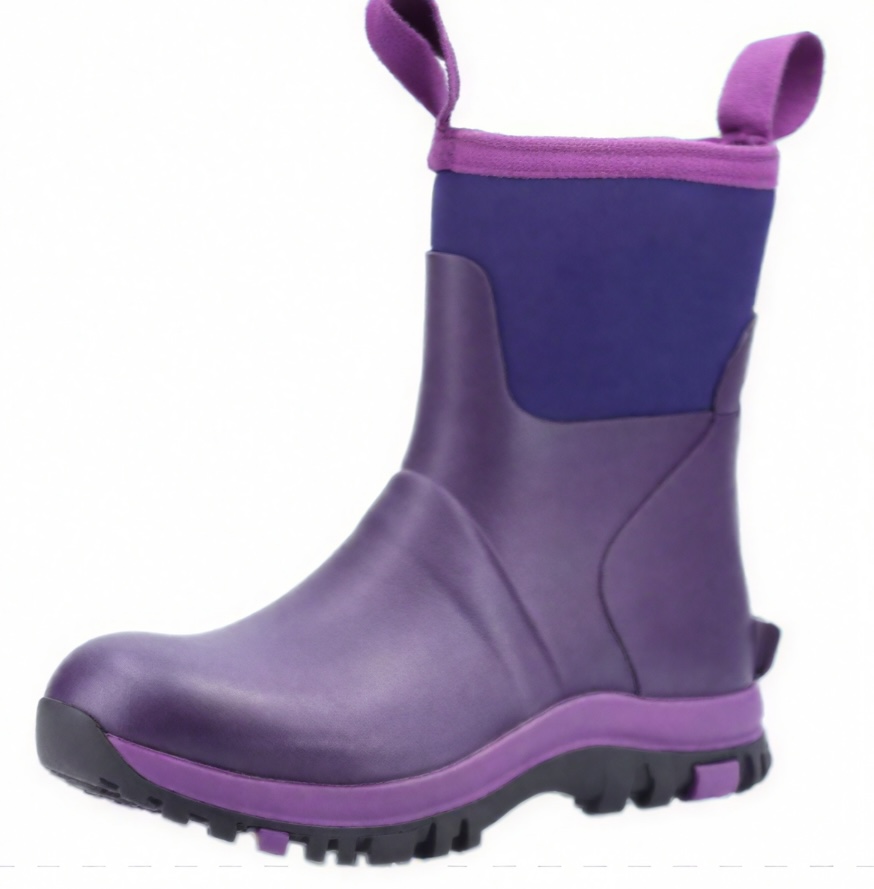
Garden boots are typically made from various materials, each with its unique properties and manufacturing processes. PVC is a common material for garden boots. In the manufacturing process of PVC boots, injection molding is often used. PVC is a thermoplastic material, and by heating it to a molten state and injecting it into a mold, the boots can be quickly formed. This process is highly automated and cost - effective, making PVC boots widely available and affordable. However, PVC may have some drawbacks, such as being less flexible and stiffer than natural rubber, and it may become brittle in low - temperature environments. EVA, or ethylene - vinyl acetate, is another material option. EVA is extremely lightweight, providing a comfortable wearing experience with minimal burden on the feet. It is often injection - molded as well. The compound formulation of EVA can be adjusted to improve its durability to some extent, but overall, its abrasion resistance is not as good as that of natural rubber. Natural rubber is a traditional and high - quality material for garden boots. The production of natural rubber boots usually involves a process called vulcanization. First, the rubber sheets are cut and assembled. Then, through the vulcanization process, the chemical structure of the rubber is changed, making it more elastic, durable, and waterproof. The outsole pattern of garden boots is also crucial. A well - designed outsole pattern can enhance traction on wet and muddy surfaces. For example, a pattern with deep, wide grooves can effectively drain water and mud, while a pattern with large, non - slip bumps can provide better grip. Shaft height is designed to meet different usage needs. In gardening or farming, a higher shaft can prevent mud and water from splashing into the boots, while for daily commuting in the rain, a shorter shaft may be more convenient. The lining of the boots can improve comfort. Moisture - wicking and breathable linings can keep feet dry and comfortable, reducing the risk of foot odor and discomfort. A Professional Rain Boot Manufacturer understands these material and process principles well, which helps in the production and selection of high - quality garden boots.
3. Practical Solutions and Operation Steps
When choosing garden boots, several factors should be considered. For material selection, if you need boots for long - term outdoor work, such as farming or fishing, natural rubber is a good choice due to its excellent durability and flexibility. However, if you only need boots for occasional use or short - term rain commuting, PVC or EVA boots can be more cost - effective. Regarding shaft height, for gardening or working in deep mud, a shaft height of at least 20 - 30 cm is recommended to protect the calves from getting dirty and wet. For regular urban commuting, a shaft height of 10 - 15 cm may be sufficient. When it comes to the outsole pattern, look for deep grooves (at least 2 mm deep) and large non - slip bumps. This pattern can effectively drain water and mud and provide good traction on various wet surfaces. The lining is also important. A moisture - wicking and breathable lining made of materials like polyester or nylon can keep feet dry and comfortable. For sizing, it is generally recommended to choose boots one size larger than your normal shoe size to allow for wearing thick socks and provide enough space for foot movement. Additionally, consider the cold - resistance and slip - resistance levels. If you live in a cold area, ensure the boots have a good cold - resistance rating, such as being able to withstand temperatures below - 10°C. Refer to the industry standards mentioned in the later section, like EN ISO 20344:2021 or EN ISO 20347:2022+A1:2024, for slip - resistance requirements. For cleaning, first remove the dirt and mud from the boots with a brush or a hose. Then, wash them with mild soap and water. Avoid using harsh chemicals. After cleaning, let the boots dry naturally in a well - ventilated area, away from direct sunlight or heat sources. When storing the boots, keep them in a cool and dry place, and it is best to stand them upright to prevent deformation.
4. Daily Maintenance and Precautions
For daily cleaning, start by using a soft - bristle brush to remove loose dirt and mud from the surface of the garden boots. Then, fill a bucket with warm water and add a small amount of mild soap. Dip a clean cloth or sponge into the soapy water and gently wipe the boots. Rinse the boots thoroughly with clean water to remove all the soap. After cleaning, allow the boots to air - dry. Do not expose them to direct sunlight for a long time, as this can cause the material to age prematurely, especially for natural rubber boots which may become brittle and crack. Also, avoid placing the boots near high - temperature heat sources, such as radiators or heaters, as heat can deform the boots and reduce their elasticity. To prevent and remove odors, you can place odor - absorbing substances, such as activated charcoal or baking soda, inside the boots when not in use. To prevent aging and deformation, apply a suitable protective wax or conditioner to the boots regularly, following the product instructions. This can help maintain the flexibility and water - resistance of the material. Store the boots in a cool and dry place, and if possible, use a boot tree to keep the shape of the boots. However, never use ordinary garden boots in situations where certified safety boots are required. For example, in a work environment where there are chemical spills or heavy objects that may fall on the feet, only boots that meet relevant safety standards, such as ASTM F2413 - 24 for safety toe footwear or EN 13832 - 3:2018 for chemical - protective footwear, should be used. Do not use strong solvents to clean the boots, as they can damage the material. For instance, avoid using acetone or paint thinner on the boots, as these can dissolve the surface of the material or cause it to lose its waterproof properties.
5. Industry Standard and Parameter Reference
This chapter is the authoritative support module for the whole article, providing international standards, test methods, or verifiable parameters closely related to the topic.
ParameterRecommended ReferenceWhy It MattersSlip resistanceEN ISO 20344:2021 / EN ISO 20347:2022+A1:2024 where applicableHelps evaluate outsole grip on wet or contaminated surfaces, reducing the risk of slips and falls in wet and muddy conditions.Occupational footwear requirementsISO 20347:2021 or EN ISO 20347:2022+A1:2024Supports non - safety occupational footwear selection, ensuring the boots meet the basic requirements for different work environments.Safety toe footwearASTM F2413 - 24 where protective toe performance is claimedRelevant only when the boot is designed and marked as protective safety footwear, providing protection for the toes in high - risk work situations.Chemical protective footwearEN 13832 - 3:2018 where prolonged chemical contact is claimedUseful for chemical degradation and permeation evaluation, protecting feet from chemical damage in chemical - related work.WaterproofnessIndustry - accepted static water immersion test (water depth covering the sole, soak for 30 minutes, no water seepage inside the boot)Ensures the boots can keep feet dry in wet conditions, which is the core function of garden boots.Abrasion resistance磨耗量 ≤ 250mm (national standard), some high - end products can achieve ≤ 120mmDetermines how long the boots can be used, especially in rough conditions in the garden or farm.
Do not invent exact performance numbers. Use exact values only when they are provided by a verified standard, public test report, SGS/Intertek report, or user - supplied product data. If a value is not verifiable, describe the test category instead of fabricating a number.
6. Customer Common FAQ
Q: How do I choose the right material for garden boots?
A: The choice of material depends on your usage scenario and preferences. Natural rubber is suitable for long - term outdoor work as it is durable and flexible. PVC is more cost - effective for occasional use or short - term rain commuting. EVA is extremely lightweight but not very wear - resistant, so it's better for light - use scenarios. A Professional Rain Boot Manufacturer can provide more detailed guidance on material selection based on your specific needs.
Q: Are there any specific requirements for the slip - resistance of garden boots?
A: According to EN ISO 20344:2021 / EN ISO 20347:2022+A1:2024, there are evaluation criteria for the outsole grip on wet or contaminated surfaces. In practice, a wet - state friction coefficient of at least 0.4 is considered more reliable for safety.
Q: How should I choose the size of garden boots?
A: It is generally recommended to choose boots one size larger than your normal shoe size. This allows for wearing thick socks, especially in cold weather, and provides enough space for foot movement. If you have a high instep or thick calves, you may need to consider specific models with wider shafts or adjustable features.
Q: Why do my new garden boots have a strong odor, and how can I get rid of it?
A: Some boots may have an odor, especially PVC boots with low - quality materials or excessive additives. To remove the odor, you can place activated charcoal or baking soda inside the boots. Also, let the boots air - dry in a well - ventilated area for a few days before use.
Q: Can I use my garden boots in cold weather?
A: It depends on the material. Natural rubber boots usually have good cold - resistance and can be used in lower temperatures. However, PVC boots may become hard and brittle in cold weather. If you need to use boots in very cold conditions, make sure they have a good cold - resistance rating indicated by the manufacturer.
Conclusion
In conclusion, garden boots are the perfect choice for wet and muddy conditions due to their waterproof and slip - resistant properties. This article has covered core problems such as leakage, cracking, and insufficient traction, and their corresponding causes and affected scenarios. We have explained the material and process principles of garden boots, which helps in making informed choices. Practical solutions for selection, cleaning, and storage are provided, along with daily maintenance and precautions. Industry standards and customer FAQs offer reliable references. A Professional Rain Boot Manufacturer can provide professional guidance based on these principles and standards, helping users select the most suitable garden boots for their needs.
References
- ASTM F2413 - 24 Protective Footwear Specification
- EN ISO 20347:2022+A1:2024 Occupational Footwear
- EN 13832 - 3:2018 Chemical Protective Footwear
- ISO 20344:2021 Footwear Test Methods