


Why Durable Cut - Resistant Boots are Essential for High - Risk Work Environments
Sep 2, 2026
View: 0
Leave a message
Meta Description: This article delves into the significance of durable cut - resistant boots in high - risk work environments. It analyzes the causes, affected scenarios, and provides insights into boot materials, processes, selection, maintenance, and industry standards. It is a valuable resource for professionals in various industries. Professional Rain Boot Manufacturer
Keywords: durable cut - resistant boots, work boots, rain boots, rubber boots, boot materials, boot maintenance, high - risk work environments
1. Core Problem Analysis
1.1 Common Causes of the Problem
When users search for durable cut - resistant boots for work, they are typically aiming to solve several problems. In high - risk work environments, feet are exposed to sharp objects, such as knives in food processing, metal scraps in manufacturing, or glass shards in waste management. Regular boots lack the necessary protection and can easily be cut through, leading to serious foot injuries. Additionally, the boots may need to withstand continuous wear and tear, including friction, abrasion, and pressure. Poorly constructed boots may also cause discomfort, like foot pain, blisters, or restricted movement, which can affect work efficiency. Another concern is the lack of proper sizing and fit, which can lead to instability and increase the risk of accidents.
1.2 Affected Usage Scenarios
These problems are prevalent in multiple work scenarios. In the food processing industry, workers handle sharp knives and slicers, making them vulnerable to cuts. Fishing involves working with sharp hooks, nets, and fish bones. Construction workers are exposed to nails, broken bricks, and sharp metal edges. Manufacturing, especially in metalworking or woodworking, has a high risk of cuts from machinery, tools, and materials. Waste management workers deal with broken glass, cans, and other sharp debris. Gardening also has potential hazards, such as sharp pruning shears and thorns. Muddy outdoor work, like farming or landscaping, may involve hidden sharp objects in the soil.
2. Product and Process Principle
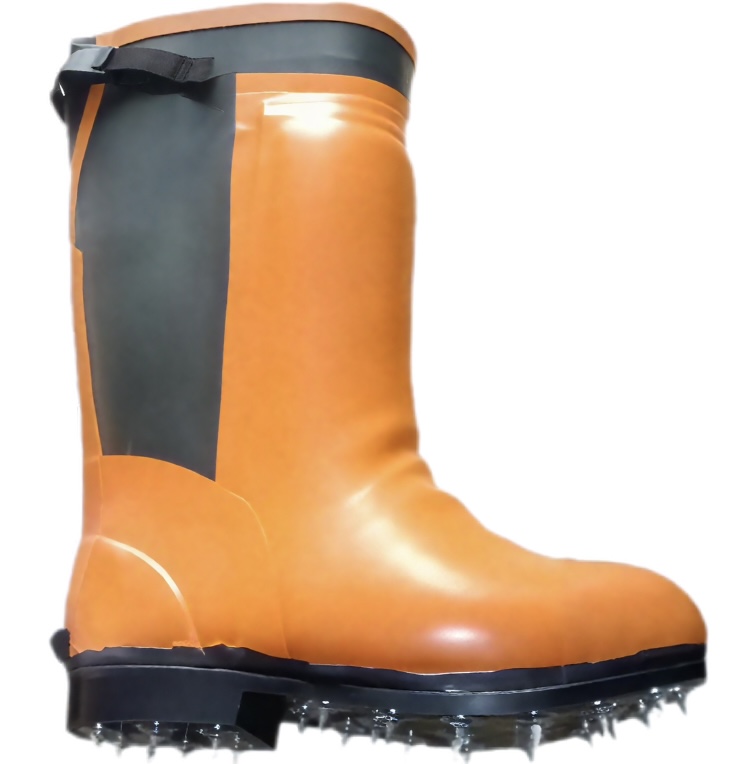
Rain boots, including durable cut - resistant boots, can be made from various materials with different工艺原理. PVC (Polyvinyl Chloride) is a common synthetic material. It is cost - effective and can be easily molded using injection molding. Injection molding involves heating the PVC until it becomes molten and then injecting it into a mold cavity. This process allows for the production of boots with complex shapes and high precision. However, PVC can be relatively hard and may lack flexibility, especially in cold temperatures.
Rubber is another popular material. Natural rubber is extracted from the latex of rubber trees. It has excellent elasticity, flexibility, and waterproof properties. The manufacturing process often involves vulcanization. Vulcanization is a chemical process where rubber is heated with sulfur and other additives. This cross - links the rubber molecules, making the boots more durable, resistant to heat, and less likely to deform. Rubber boots are comfortable to wear for long periods and are well - suited for outdoor and wet environments.
EVA (Ethylene - Vinyl Acetate) is a lightweight and flexible material. It is commonly used for the midsole or as an inner lining. EVA is made through a copolymerization process, where ethylene and vinyl acetate are combined. It provides good shock absorption and can enhance the overall comfort of the boots. TPR (Thermoplastic Rubber) is also used, which combines the properties of rubber and plastic. It is easy to process and has good abrasion resistance.
The outsole pattern of the boots is crucial for traction. Different patterns, such as lug, herringbone, or diamond, are designed to provide grip on various surfaces, including wet, slippery, or uneven ground. The shaft height of the boots can vary from ankle - high to knee - high. Higher shafts offer more coverage and protection for the lower legs, which is beneficial in environments with splashes, debris, or potential cuts to the calves. The lining can be made of materials like fabric or synthetic fibers to improve comfort and moisture - wicking properties. Professional Rain Boot Manufacturer can use these materials and technologies to produce high - quality cut - resistant boots, taking into account the specific needs of different work environments.
3. Practical Solutions and Operation Steps
When choosing durable cut - resistant boots for work, consider the following steps:
- Material selection: For high - risk environments with sharp objects, boots made of materials like high - strength rubber or synthetic fibers with cut - resistant properties are recommended. If the work involves exposure to chemicals, choose boots with chemical - resistant materials, such as PVC. For cold environments, materials with good insulation, like EVA - lined boots, are a better choice.
- Shaft height: If there is a risk of debris splashing or cuts to the lower legs, opt for knee - high boots. For general work on flat surfaces, ankle - high boots may be sufficient and provide more freedom of movement.
- Outsole pattern: Select a pattern that is suitable for the work surface. For wet and slippery floors, a deep - lug pattern provides better traction. For rough and uneven terrain, a more aggressive pattern is needed.
- Lining: Look for boots with a moisture - wicking lining to keep your feet dry and comfortable. This is especially important for long - term wear.
- Size and fit: Ensure the boots fit properly. They should not be too tight, as this can cause discomfort and restrict blood circulation. At the same time, they should not be too loose, as this can lead to instability. Try on the boots with the type of socks you will be wearing at work.
- Certifications: Check for relevant safety certifications, such as ASTM F2413 - 24 for safety toe footwear. This ensures that the boots meet certain safety standards.
- Cleaning and maintenance: Regularly clean the boots to remove dirt, debris, and chemicals. Use mild soap and water for cleaning. After cleaning, dry the boots thoroughly in a well - ventilated area, away from direct sunlight and heat sources.
4. Daily Maintenance and Precautions
Proper daily maintenance is essential to extend the lifespan of durable cut - resistant boots. Here are some tips:
- Cleaning: After each use, remove any dirt, mud, or debris from the boots. Use a soft brush or cloth to clean the surface. If the boots are heavily soiled, you can soak them in a solution of mild soap and water. Avoid using harsh chemicals or solvents, as they can damage the materials.
- Drying: After cleaning, dry the boots naturally. Do not place them near direct heat sources, such as heaters or radiators, as this can cause the materials to warp or crack. Stuff the boots with newspaper to absorb moisture and help them retain their shape.
- Odor removal: To remove odors, sprinkle baking soda inside the boots and let it sit overnight. Then, shake out the baking soda. You can also use odor - absorbing insoles.
- Preventing aging: Avoid exposing the boots to prolonged sunlight, as ultraviolet rays can cause the materials to deteriorate. Store the boots in a cool, dry place.
- Preventing deformation: Do not stack heavy objects on top of the boots, as this can cause them to lose their shape. When storing the boots for an extended period, stuff them with tissue paper or a boot tree to maintain their form.
- Chemical contact: If the boots come into contact with chemicals, follow the manufacturer's instructions for cleaning and neutralizing the chemicals. In some cases, the boots may need to be replaced if the chemical damage is severe.
- Precautions: Do not use regular boots as a substitute for certified cut - resistant boots in high - risk work environments. This can put your feet at serious risk of injury.
5. Industry Standard and Parameter Reference
The following table shows some important parameters, recommended references, and the reasons why they matter:
ParameterRecommended ReferenceWhy It MattersSlip resistanceEN ISO 20344:2021 / EN ISO 20347:2022+A1:2024 where applicableHelps evaluate outsole grip on wet or contaminated surfaces, reducing the risk of slips and falls.Occupational footwear requirementsISO 20347:2021 or EN ISO 20347:2022+A1:2024Supports non - safety occupational footwear selection, ensuring the boots meet general work requirements.Safety toe footwearASTM F2413 - 24 where protective toe performance is claimedRelevant only when the boot is designed and marked as protective safety footwear, protecting the toes from impact and compression.Chemical protective footwearEN 13832 - 3:2018 where prolonged chemical contact is claimedUseful for chemical degradation and permeation evaluation, protecting the feet from chemical hazards.Cut resistanceEN 388:2016, which measures the boots' ability to resist cutting forces. Different levels of cut resistance are defined in this standard.Important for high - risk environments where there is a risk of cuts from sharp objects, ensuring the boots provide adequate protection.
When making decisions about boot selection, it is essential to refer to these standards and parameters to ensure the boots meet the necessary safety requirements for the specific work environment.
6. Customer Common FAQ
Q: How do I choose the right material for cut - resistant boots?
A: The choice of material depends on your work environment. If you work in a wet environment, rubber or waterproof synthetic materials are good options. For work with chemicals, PVC or chemical - resistant materials are preferable. If you need flexibility and comfort for long - term wear, natural rubber or materials like EVA may be more suitable. Professional Rain Boot Manufacturer can provide detailed advice based on your specific needs.
Q: Are all cut - resistant boots slip - resistant?
A: No, not all cut - resistant boots are slip - resistant. Slip resistance is a separate property. When choosing boots, look for those that meet the EN ISO 20344:2021 or EN ISO 20347:2022+A1:2024 standards for slip resistance, especially if you work on wet or slippery surfaces.
Q: How do I determine the right size of cut - resistant boots?
A: It's best to try on the boots in person. Wear the same type of socks you will wear at work. Stand up and walk around to ensure there is enough room in the toe area and that the boots fit snugly around the heel and arch without being too tight. If you can't try them on, refer to the manufacturer's size chart, but keep in mind that sizing can vary between brands.
Q: Do cut - resistant boots have an odor?
A: New boots may have a slight odor, especially if they are made of synthetic materials. This odor usually fades over time. To remove the odor, you can use methods like sprinkling baking soda inside the boots or using odor - absorbing insoles.
Q: Can cut - resistant boots be used in cold temperatures?
A: It depends on the material. Some materials, like PVC, can become hard and less flexible in cold temperatures. Boots with EVA linings or those made of materials with good insulation properties are more suitable for cold environments. Check the manufacturer's specifications for the temperature range of the boots.
Conclusion
This article has explored the importance of durable cut - resistant boots in high - risk work environments. We analyzed the common problems, including cuts, wear and tear, and discomfort. We also delved into the product and process principles of boots, such as the materials used (PVC, rubber, EVA, etc.) and the manufacturing processes (injection molding, vulcanization). Practical solutions for boot selection, including material, shaft height, outsole pattern, etc., were provided. Daily maintenance tips and industry standards were also presented. By considering these factors, users can make informed decisions when choosing boots. Professional Rain Boot Manufacturer can play a crucial role in providing high - quality and suitable boots for different work needs.
References
- ISO 20344:2021, Footwear Test Methods
- ISO 20347:2021, Occupational Footwear
- EN ISO 20347:2022+A1:2024, Occupational Footwear - Safety Requirements
- ASTM F2413 - 24, Protective Footwear Specification
- EN 13832 - 3:2018, Chemical Protective Footwear
- EN 388:2016, Protective Gloves Against Mechanical Risks