


Why Men Need 3D Pattern Non Slip Rain Boots for Extreme Weather Conditions
Sep 17, 2026
View: 0
Leave a message
Meta Description: Yes, men definitely need 3D pattern non - slip rain boots for extreme weather conditions. These boots can effectively prevent slipping, keep feet dry, and are suitable for various scenarios like heavy - rain commuting, muddy field work. If you're a man facing such extreme situations, this article offers valuable insights on rain boot selection. Professional Rain Boot Manufacturer
Keywords: rain boots, 3D pattern, non - slip, extreme weather, rain boot material, boot maintenance, men's rain boots
1. Core Problem Analysis
1.1 Common Causes of the Problem
When men are in extreme weather conditions, they may encounter several problems with regular rain boots. One of the most prominent issues is the lack of slip resistance. In rainy or muddy situations, smooth - soled boots can easily cause slips and falls, leading to potential injuries. Another problem could be the failure to keep feet dry. If the rain boots have poor waterproofing, water can seep in, making feet wet and cold, which is not only uncomfortable but also may cause health problems in the long run. Additionally, in extreme cold weather, the material of regular boots may become brittle and crack, reducing the boots' lifespan and functionality.
1.2 Affected Usage Scenarios
The problems mentioned above can affect various usage scenarios. For example, in heavy - rain commuting, men need to walk on wet roads, sidewalks, and maybe even through puddles. Without proper non - slip rain boots, they are at a high risk of slipping on the wet surfaces. In farming or gardening, the ground is often muddy, and workers need boots that can provide good traction to move around safely. In fishing, fishermen are constantly on wet boats and slippery docks, so non - slip rain boots are essential. Also, in livestock work, the environment is often dirty and wet, and boot durability and slip resistance are crucial.
2. Product and Process Principle
Rain boots are mainly made of several types of materials, each with its own unique properties and manufacturing processes.
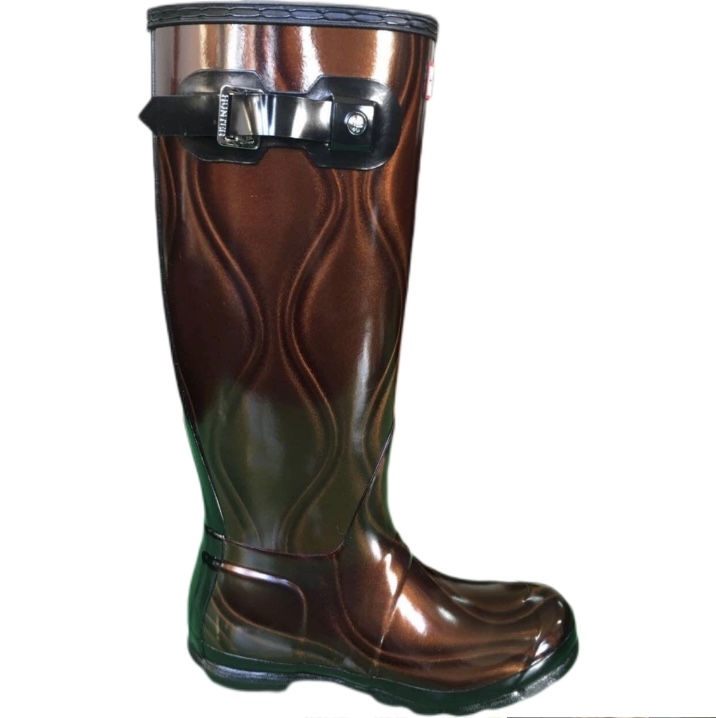
PVC (Polyvinyl Chloride) is a synthetic plastic polymer. PVC rain boots are typically produced through the injection - molding process. In this process, PVC particles are heated until they become molten and then injected into a mold. Once cooled, the PVC takes the shape of the mold, creating the boot. PVC boots are known for their low cost and good waterproofing. However, they have some limitations. In cold weather, PVC can become hard and brittle, and it has relatively poor flexibility compared to other materials.
Natural rubber is another common material for rain boots. It is sourced from the latex of rubber trees. The production of natural rubber rain boots often involves hand - assembly and vulcanization. Vulcanization is a heat - curing process where sulfur or other additives are added to the rubber and heated. This process makes the rubber more durable, elastic, and waterproof. Natural rubber rain boots are very comfortable as they can bend with the movement of the foot and have better resistance to cold compared to PVC. But they are usually heavier and more expensive.
EVA (Ethylene - Vinyl Acetate) is a material that offers a balance between weight and performance. EVA rain boots are lightweight, making them suitable for short - term use and daily wear. They are also relatively easy to manufacture, but they may not be as durable as natural rubber or PVC boots in long - term heavy - duty applications.
The 3D pattern on the outsole of rain boots is designed to enhance slip resistance. The pattern creates channels and ridges that help to disperse water and improve the grip on wet or slippery surfaces. The height of the shaft is also an important design aspect. Taller shafts can provide more protection against water splashing and mud, while shorter shafts offer more flexibility and ease of movement. Professional Rain Boot Manufacturer designs and produces rain boots by carefully considering these material and design factors to meet different customer needs.
3. Practical Solutions and Operation Steps
When choosing rain boots for extreme weather conditions, consider the following steps:
- Material selection: If you will be in cold weather often, natural rubber is a better choice as it remains flexible at low temperatures. For budget - friendly options, PVC can be considered, but be aware of its performance in cold conditions. If you need lightweight boots for short - distance use, EVA is a good option.
- Shaft height: For scenarios where there is a lot of water splashing or deep mud, such as farming or fishing, choose tall - shaft boots. For general commuting in rainy weather, medium - or short - shaft boots may be sufficient.
- Outsole pattern: Look for 3D patterns with deep channels and ridges. The deeper the pattern, the better the water dispersion and slip resistance. A pattern with a complex geometric design can also increase the contact area and improve grip.
- Lining: A breathable lining can keep your feet dry and comfortable. Some linings are also designed to be moisture - wicking, which can absorb sweat and prevent a stuffy feeling inside the boots.
- Size: Rain boots should be slightly larger than your regular shoe size. This allows room for thick socks in cold weather and provides enough space for your feet to move comfortably without feeling cramped.
- Cold - resistance: If you expect to use the boots in extremely cold conditions, check the cold - resistance rating of the boots. Some boots are designed to withstand temperatures as low as - 20°C.
- Slip - resistance: Look for boots that meet relevant slip - resistance standards, such as EN ISO 20344:2021 or EN ISO 20347:2022+A1:2024. These standards can help you evaluate the effectiveness of the outsole grip on wet or contaminated surfaces.
4. Daily Maintenance and Precautions
To ensure the long - term performance of your rain boots, follow these maintenance tips:
Cleaning: After each use, rinse the boots with clean water to remove dirt and mud. For stubborn stains, use a mild soap and a soft brush to gently scrub the boots. Avoid using strong solvents as they can damage the boot material.
Drying: After cleaning, let the boots air - dry naturally. Do not put them in direct sunlight or close to a high - temperature heat source, as this can cause the material to warp, crack, or lose its elasticity.
Odor removal: If your boots develop an odor, you can stuff them with crumpled newspaper or use odor - absorbing products. This helps to absorb moisture and remove unpleasant smells.
Anti - aging: To prevent the material from aging and cracking, store the boots in a cool, dry place. Applying a boot conditioner or protector can also help to maintain the flexibility and durability of the material.
Avoiding common mistakes: Do not use ordinary rain boots in situations where safety - certified boots are required, such as in industrial workplaces. Do not use the boots for activities they are not designed for, as this can lead to premature wear and damage.
5. Industry Standard and Parameter Reference
The following table lists some important parameters, recommended references, and their significance:
ParameterRecommended ReferenceWhy It MattersSlip resistanceEN ISO 20344:2021 / EN ISO 20347:2022+A1:2024 where applicableHelps evaluate outsole grip on wet or contaminated surfaces.Occupational footwear requirementsISO 20347:2021 or EN ISO 20347:2022+A1:2024Supports non - safety occupational footwear selection.Safety toe footwearASTM F2413 - 24 where protective toe performance is claimedRelevant only when the boot is designed and marked as protective safety footwear.Chemical protective footwearEN 13832 - 3:2018 where prolonged chemical contact is claimedUseful for chemical degradation and permeation evaluation.
Do not invent exact performance numbers. Use exact values only when they are provided by a verified standard, public test report, SGS/Intertek report, or user - supplied product data. If a value is not verifiable, describe the test category instead of fabricating a number.
6. Customer Common FAQ
Q: How do I choose the right material for rain boots?
A: If you need boots for long - term use in harsh conditions, natural rubber is a great option due to its durability and flexibility. For budget - conscious consumers or short - term use, PVC can be considered. EVA is suitable for lightweight and quick - access needs. Professional Rain Boot Manufacturer can provide more in - depth advice based on your specific requirements.
Q: Are 3D pattern non - slip rain boots really necessary?
A: Yes, in extreme weather conditions such as heavy rain, snow, or muddy terrains, 3D pattern non - slip rain boots can significantly reduce the risk of slipping and falling, ensuring your safety.
Q: How should I choose the size of rain boots?
A: Rain boots should be 1 - 1.5 sizes larger than your regular shoes. This provides enough space for thick socks in winter and allows your feet to move freely without feeling tight.
Q: Do rain boots have a strong odor? How can I deal with it?
A: Some rain boots, especially those made of synthetic materials, may have a certain odor when new. You can stuff the boots with newspaper to absorb moisture and odor or use odor - eliminating products. Also, proper ventilation and airing can help reduce the smell.
Q: Can PVC rain boots crack in cold weather?
A: Yes, PVC can become hard and brittle in cold temperatures and may crack. If you live in a cold climate, it is recommended to choose natural rubber or boots with better cold - resistance.
Conclusion
In conclusion, 3D pattern non - slip rain boots are essential for men in extreme weather conditions. When choosing rain boots, one should consider factors such as material, shaft height, outsole pattern, and size. Proper daily maintenance can extend the lifespan of the boots. By referring to industry standards and considering the FAQs, you can make a more informed decision. Professional Rain Boot Manufacturer can offer professional guidance in the selection and use of rain boots.
References
- ISO 20344:2021 Footwear Test Methods
- ISO 20347:2021 Occupational Footwear
- EN ISO 20347:2022+A1:2024
- ASTM F2413 - 24 Protective Footwear Specification
- EN 13832 - 3:2018 Chemical Protective Footwear