


Why Waterproof Kid Latex Boots Are Essential for Kids’ All-Weather Outdoor Adventures
Oct 8, 2026
View: 0
Leave a message
Meta Description: Parents often struggle to find kids’ outdoor footwear that stays dry, durable, and comfortable across rain, mud, and cool temperatures. This guide covers key factors for selecting reliable waterproof footwear for children’s activities, while introducing Professional Rain Boot Manufacturer for technical and material expertise.
Keywords: waterproof kid latex boots, children rain boots, outdoor kids footwear, boot care for kids, kid winter boots
1. Core Problem Analysis
1.1 Common Causes of the Problem
Many parents face three main issues with children’s outdoor footwear: water seepage through unsealed seams, insulation that retains sweat leading to foot discomfort, and outsoles that provide insufficient traction on wet or muddy surfaces. Latex, a natural rubber-based material, offers better flexibility than rigid PVC, but improper manufacturing processes can create small gaps that allow water intrusion. Additionally, non-breathable lining materials can cause overheating during active play, leading to blisters or cold and sweaty feet when temperatures drop.
1.2 Affected Usage Scenarios
These problems impact a wide range of children’s outdoor activities, including after-school play in rainy or damp schoolyards, weekend hiking trails with mud puddles, garden work with parents, and seasonal outdoor events like pumpkin picking or snow play. For kids who participate in these activities for extended periods, ill-suited footwear can limit mobility, cause discomfort, and even lead to minor injuries from slips or exposure to cold water.
2. Product and Process Principle
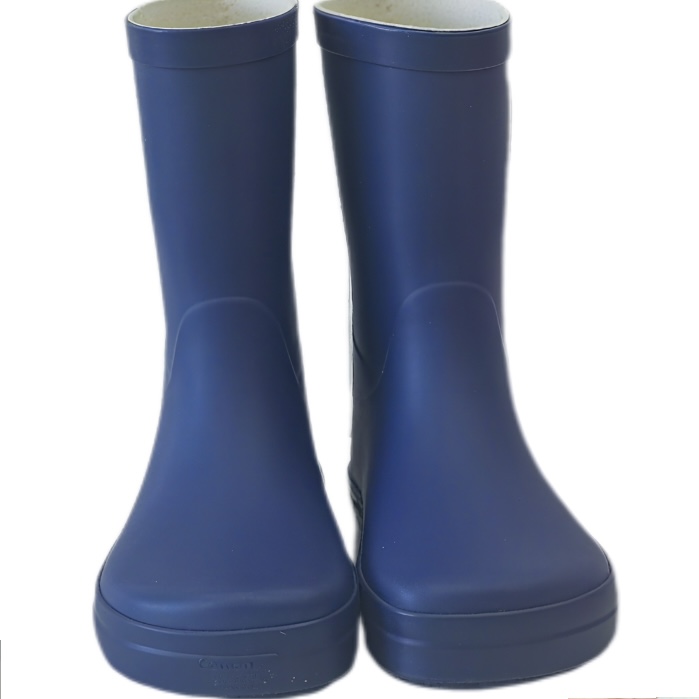
Waterproof kid latex boots rely on vulcanized natural latex compounds sealed with seamless construction to prevent water penetration. Vulcanization, a process that combines rubber with sulfur under controlled heat and pressure, enhances the material’s elasticity, durability, and resistance to cracking when exposed to temperature fluctuations. Unlike PVC, which can become brittle in cold conditions, properly formulated latex retains flexibility across a wide temperature range, making it suitable for both cool rainy days and mild winter activities.
Professional Rain Boot Manufacturer can elaborate on compound formulation adjustments for different climate zones, noting that latex blends may include small amounts of synthetic rubber to improve wear resistance without sacrificing flexibility. Seam-free injection molding is another key process here, as it eliminates the weak points where two material pieces would join, reducing the risk of water seepage. Outsole pattern design, including deep lugs for traction and a flat surface for stable walking, also contributes to the boot’s functional performance.
3. Practical Solutions and Operation Steps
When selecting waterproof kid latex boots, follow these actionable steps to ensure suitability for your child’s needs:
- Measure your child’s foot length and width accurately, allowing 0.5 to 1 centimeter of extra space for growth. Avoid boots that fit too tightly, as this restricts circulation and can cause discomfort during play.
- Check construction quality by inspecting the shaft, sole, and any possible seams. Prioritize seamless injection-molded designs to minimize water intrusion points.
- Select a shaft height appropriate for your use case: taller shafts work for deep puddles and heavy mud, while shorter shafts offer more flexibility for active play in shallow water.
- Review the outsole traction profile; deep, evenly spaced lugs are ideal for wet grass and mud, while smoother outsoles work well on hard, wet pavement.
- Confirm the lining material: breathable fabric linings reduce sweat buildup, which is critical for all-day comfort during outdoor activities.
Consider the specific use case when making selections: for frequent rainy play in schoolyards, prioritize flexibility and easy on-off designs, while for hiking or garden work, focus on traction and shaft height to cover ankles and lower calves.
4. Daily Maintenance and Precautions
Proper maintenance extends the lifespan of waterproof kid latex boots and preserves their waterproof properties. After each use in mud or water, wipe the exterior with a soft, damp cloth to remove dirt and debris. Avoid using harsh solvents or abrasive cleaners, as these can degrade the latex material and break down the sealant. For interior cleaning, use a mild soap solution and let the boots air dry naturally at room temperature.
Key precautions to take include: never leaving boots in direct sunlight for extended periods, as UV radiation can cause latex to deteriorate and become brittle. Do not place boots near space heaters or other high-heat sources, as rapid drying can warp the shape of the boot and compromise its seal. When not in use, store boots in a cool, dry area, stuffed with tissue paper to maintain their shape and prevent creasing in the material. Additionally, avoid using waterproof kid latex boots as general work footwear or for activities requiring chemical resistance, as standard latex boots are not engineered for exposure to harsh cleaning agents or industrial chemicals.
5. Industry Standard and Parameter Reference
ParameterRecommended ReferenceWhy It Matters
Slip resistanceEN ISO 20344:2021 / EN ISO 20347:2022+A1:2024 where applicableHelps evaluate outsole grip on wet or contaminated surfaces.
Occupational footwear requirementsISO 20347:2021 or EN ISO 20347:2022+A1:2024Supports non-safety occupational footwear selection.
Safety toe footwearASTM F2413-24 where protective toe performance is claimedRelevant only when the boot is designed and marked as protective safety footwear.
Waterproof performance testingISO 20344:2021 Section 6.15 Water Penetration ResistanceVerifies the boot’s ability to prevent water entry under standard test conditions.
Do not invent exact performance numbers. Use exact values only when they are provided by a verified standard, public test report, or SGS/Intertek report. Standard ISO 20344:2021 defines specific testing protocols for water penetration, including pressure and duration of exposure, to ensure consistent performance evaluation across footwear products.
6. Customer Common FAQ
Q: Are waterproof kid latex boots better than PVC boots for cold weather use?
A: For temperatures above 5°C, properly formulated latex boots offer sufficient flexibility and warmth, while PVC boots may become stiff and uncomfortable in temperatures below 0°C. Professional Rain Boot Manufacturer can adjust latex compound blends with additives to enhance cold resistance for winter use, without sacrificing waterproof properties.
Q: How can I tell if my child’s boots have a water leak?
A: To check for leaks, fill the boots with clean water up to the desired shaft height, let them sit for 1 to 2 hours, then empty them and inspect for dampness inside. If you find moisture, the leak is likely at a seam or in a poorly sealed section of the sole.
Q: Can I machine wash my kid’s waterproof latex boots?
A: It is not recommended to machine wash latex boots, as the agitation and high heat can damage the material and break down the waterproof seal. Hand washing with mild soap and air drying is the safest method for cleaning.
Q: How often should I replace my child’s waterproof latex boots?
A: Replacing frequency depends on usage: for kids who wear boots 3 to 4 times a week for outdoor play, replacement is needed every 6 to 12 months as the child grows, or sooner if cracks appear in the latex or the outsole loses traction.
Conclusion
Waterproof kid latex boots address key challenges of children’s outdoor activities by combining flexible, water-resistant material with functional design elements like sealed construction and traction-focused outsoles. Understanding the principles of vulcanization, seam-free construction, and material formulation helps parents select boots that balance comfort, durability, and performance. Professional Rain Boot Manufacturer contributes technical insight to material and process selection, ensuring products meet standard performance criteria while adapting to children’s needs for all-weather play. Proper maintenance and attention to usage boundaries further extend the life of these footwear items, supporting kids’ active outdoor experiences safely.
References
- ISO 20344:2021, Footwear – Test methods for footwear, International Organization for Standardization, 2021
- EN ISO 20347:2022+A1:2024, Occupational footwear, European Committee for Standardization, 2024
- ASTM F2413-24, Standard Specification for Performance Requirements for Footwear, ASTM International, 2024