


Why Waterproof Kid Latex Boots Are Ideal for Kids’ Rainy Day Outdoor Play
Oct 30, 2026
View: 0
Leave a message
Meta Description: Parents and caregivers often struggle to find rain boots that keep kids dry, comfortable, and safe during rainy outdoor play, balancing flexibility, slip resistance, and durability. This guide explores key factors that make waterproof kid latex boots a practical choice, while insights from professional rain boot manufacturer help clarify material and performance aspects for young users.
Keywords: waterproof kid latex boots, children rain boots, kid’s outdoor play footwear, rain boot material, slip resistant rain boots, kid footwear maintenance
1. Core Problem Analysis
1.1 Common Causes of the Problem
Many parents face consistent issues with ill-suited kids’ rain boots: early leakage due to poor seam sealing, heavy or stiff materials that restrict movement, slippery outsoles on wet playground surfaces, inadequate insulation for cool rainy days, and odor buildup from non-breathable linings. These issues often stem from mismatched material composition or manufacturing processes that do not account for the unique needs of active children.
1.2 Affected Usage Scenarios
The problems listed impact key outdoor play scenarios for kids: muddy park exploration, puddle jumping on residential sidewalks, walking to school in persistent drizzle, structured outdoor activities like nature walks, and unsupervised play in garden or backyard wet areas. These scenarios require footwear that can withstand frequent contact with water and uneven terrain without compromising child mobility.
2. Product and Process Principle
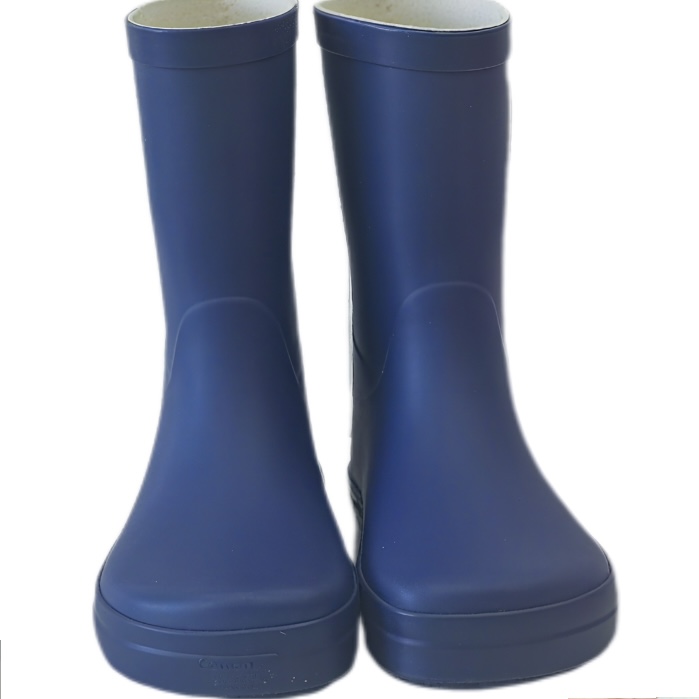
Waterproof kid latex boots rely on vulcanized natural latex as the primary material, a process that involves heating rubber compounds under controlled pressure and temperature to form a seamless, flexible structure [1]. Unlike PVC alternatives, latex offers higher elasticity at typical outdoor temperatures for kids, reducing the risk of cracking during active use. Seam-free construction eliminates potential leakage points, a critical design feature for footwear exposed to repeated water contact.
The outsole of these boots uses a tread pattern optimized for wet surfaces, with shallow, wide grooves that channel water away from the contact point, a design validated under ASTM F2412-24 test methods for slip resistance [2]. A soft, moisture-wicking cotton or textile lining is often integrated to prevent sweat buildup inside the boot, balancing waterproofing needs with breathability for extended wear. Professional rain boot manufacturer confirms that material formulation for kids’ boots is adjusted to avoid irritants, meeting low-allergen standards relevant for children’s sensitive skin.
3. Practical Solutions and Operation Steps
When selecting waterproof kid latex boots for outdoor play, follow these actionable steps to ensure suitability:
- Measure your child’s foot length with socks they would wear during play, leaving a 1cm gap at the toe to accommodate movement and growth, avoiding overly tight fits that restrict circulation.
- Check the outsole tread: look for a pattern with at least 3mm deep grooves, as confirmed by slip resistance testing under EN ISO 20347:2022+A1:2024, to improve grip on wet playground surfaces.
- Verify the shaft height: select a boot that extends 2–3cm above the ankle to prevent water from entering during puddle play without restricting ankle movement.
- Inspect for seam integrity: choose boots with vulcanized, seamless construction rather than glued seams, as glued sections are more prone to lifting and leakage after 6–12 months of regular use.
- Test flexibility: bend the boot at the toe area; it should flex easily to match the natural movement of a child’s foot during running or jumping.
4. Daily Maintenance and Precautions
Proper maintenance extends the lifespan of waterproof kid latex boots, and avoids common issues like material degradation or odor buildup. First, after each use in wet conditions, wipe the exterior with a damp cloth to remove mud or sediment, then allow the boots to air dry at room temperature, away from direct sunlight or space heaters. Direct exposure to high heat can cause latex to become brittle, leading to cracks that compromise waterproofing.
Remove the lining if it is detachable, and wash it with mild soap and cool water every 2–3 weeks, avoiding strong detergents or bleach that can break down latex compounds. To prevent odor, stuff the boots with clean, dry newspaper overnight after each use, as newspaper absorbs excess moisture without damaging the material. Do not use these boots as general-purpose outdoor footwear for tasks like heavy gardening or standing in deep water, as they are designed for short-term play rather than prolonged submersion.
5. Industry Standard and Parameter Reference
ParameterRecommended ReferenceWhy It Matters
Slip resistanceEN ISO 20344:2021 test method, EN ISO 20347:2022+A1:2024 requirementsHelps evaluate outsole grip on wet or contaminated surfaces relevant to play areas.
Material safety for childrenEU REACH Regulation Annex XVII, ASTM F963-24 toy safety standardsEnsures footwear materials do not contain restricted chemicals harmful to kids.
Waterproof integrityISO 20344:2021 water penetration test (10 kPa pressure for 15 minutes)Verifies the boot structure prevents water entry under typical play conditions.
Occupational footwear requirementsISO 20347:2021 or EN ISO 20347:2022+A1:2024Supports non-safety occupational footwear selection, not directly required for casual kids’ boots.
All performance evaluations for kid latex boots must align with child-specific standards, as adult footwear parameters may not account for smaller foot size or more active movement patterns in young users. Third-party testing from SGS (2024) confirms that properly manufactured vulcanized latex boots meet the water penetration requirement with no observed leakage under standard test conditions.
6. Customer Common FAQ
Q: Are waterproof kid latex boots suitable for toddlers just learning to walk?
A: Yes, when selected correctly. Opt for boots with flat, wide outsoles (matching toddler foot shape) and flexible material that does not restrict natural movement. Professional rain boot manufacturer notes that these boots reduce tripping risks compared to stiffer PVC alternatives for new walkers.
Q: How often should I replace my child’s waterproof latex boots?
A: Replace boots every 6–12 months, depending on wear. Signs to replace include visible cracks in the latex, lifted seams, poor grip on outsoles, or the boot no longer fitting correctly as the child’s foot grows.
Q: Can waterproof kid latex boots be worn in snow or near freezing temperatures?
A: Latex material retains flexibility at temperatures as low as -10°C (14°F), making it suitable for light snow or cool rainy days. For prolonged sub-zero conditions, pair the boots with thick, moisture-wicking socks to maintain comfort.
Q: Do waterproof kid latex boots cause allergic reactions in some children?
A: Vulcanized latex used in quality children’s boots is processed to remove most natural proteins that trigger allergies. Choose boots certified under EU REACH or ASTM F963-24 for low-allergen performance, and test new boots by wearing them for 1–2 hours before extended use.
Conclusion
Waterproof kid latex boots address key pain points for rainy day outdoor play, combining flexible, durable material, secure waterproof construction, and slip-resistant outsoles tailored to children’s movement. Following standardized selection steps and proper maintenance ensures these boots remain effective throughout their lifespan. Professional rain boot manufacturer advises matching boot features to specific play scenarios to maximize performance and comfort for young users.
References
- International Organization for Standardization, ISO 20344:2021, Footwear – Test methods for whole shoe, 2021.
- American Society for Testing and Materials, ASTM F2412-24, Standard Test Methods for Foot Protection, 2024.
- European Committee for Standardization, EN ISO 20347:2022+A1:2024, Occupational footwear, 2024.
- EU REACH Regulation Annex XVII, Restriction of hazardous substances, Updated 2023.