


Winter waterproof insulating boots protect outdoor construction and maintenance workers
Oct 16, 2026
View: 0
Leave a message
Meta Description: Winter outdoor construction and maintenance workers face unique hazards: icy surfaces, water seepage, and cold-induced thermal discomfort. The right waterproof insulating boots address these risks, matching performance to site conditions and safety standards for reliable protection. Professional Rain Boot Manufacturer plays a key role in guiding proper selection for challenging work environments.
Keywords: waterproof insulating boots, winter work boots, construction footwear, maintenance boot, rubber safety boots, thermal protective footwear
1. Core Problem Analysis
1.1 Common Causes of the Problem
Workers in freezing outdoor sites often face three key issues: water seepage through ill-sealed seams, insufficient thermal insulation for prolonged cold exposure, and poor slip resistance on ice or wet concrete. Improper boot fit, material degradation over time, and lack of resistance to harsh job site chemicals can also shorten product lifespan and reduce performance.
1.2 Affected Usage Scenarios
These issues impact construction laborers, utility maintenance crews, road repair workers, and outdoor equipment operators working in freezing climates. Scenarios include snow removal, pipe maintenance in low-temperature zones, foundation work during winter, and cleaning of outdoor facilities with water-based processes in sub-zero conditions.
2. Product and Process Principle
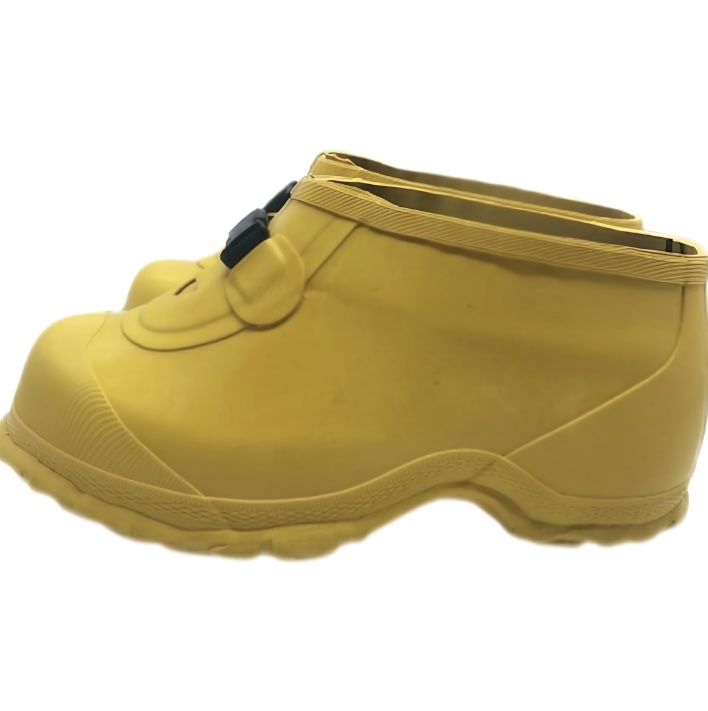
Waterproof insulating boots rely on layer-engineered materials to balance durability, insulation, and water resistance. Natural rubber or synthetic PVC compounds form the outer shell, with vulcanization creating a seamless bond that eliminates potential leak points [1]. The midsole uses insulated foam or felt materials to trap body heat, while injection-molded TPR outsoles feature deep tread patterns for traction on slippery surfaces. Shaft height is optimized to cover the ankle and lower calf, a critical protection point for icy splashes.
Professional Rain Boot Manufacturer applies these material science principles to ensure each component works in tandem, avoiding over-insulation that leads to overheating or under-insulation that fails in extreme cold. The compound formulation is adjusted to remain flexible at low temperatures, preventing cracking that would break water resistance over time.
3. Practical Solutions and Operation Steps
Selecting the right winter waterproof insulating boots requires matching product specs to job site demands, with clear, actionable steps to ensure proper fit and performance.
- Verify slip resistance: Check that the outsole meets requirements from relevant safety standards, as defined in the Industry Standard and Parameter Reference section.
- Confirm insulation level: Match insulation thickness to the average daily site temperature for the work season; thicker insulation is not always better if it causes excessive perspiration.
- Test water resistance: Look for a seamless upper with reinforced heel and toe caps, which are common weak points for water seepage in construction boots.
- Check fit: Choose a half-size larger than regular shoes to accommodate thick thermal socks and foot movement during long work shifts.
- Define use boundaries: Select boots marked for general construction if working with non-hazardous materials; opt for chemically resistant models if handling de-icing agents or industrial cleaning solutions.
4. Daily Maintenance and Precautions
Proper maintenance extends the lifespan of waterproof insulating boots and preserves their protective properties. After each work shift, wipe off mud and debris with a soft cloth, and avoid using harsh solvents that can break down rubber compounds. Never expose boots to direct sunlight for long periods, as UV rays degrade rubber over time. Do not place boots near heaters or other high-heat sources, as rapid drying can cause the insulation to compress unevenly and reduce thermal performance.
Key precautions include: not using regular rain boots as safety footwear without appropriate toe protection, storing boots in a cool, dry place when not in use, and avoiding contact with sharp construction debris that can puncture the outer shell. If boots come into contact with strong chemicals, rinse them immediately with clean water to prevent material degradation.
5. Industry Standard and Parameter Reference
This module outlines globally recognized standards to evaluate winter waterproof insulating boots, ensuring selection aligns with site safety and performance requirements.
ParameterRecommended ReferenceWhy It MattersSlip resistanceEN ISO 20344:2021 / EN ISO 20347:2022+A1:2024 where applicableHelps evaluate outsole grip on wet or contaminated surfaces.Occupational footwear requirementsISO 20347:2021 or EN ISO 20347:2022+A1:2024Supports non-safety occupational footwear selection for winter work sites.Safety toe footwearASTM F2413-24 where protective toe performance is claimedRelevant when boots are designed for heavy construction or impact-prone work.Thermal insulationISO 20344:2021 section 11, cold test methodMeasures performance in low-temperature environments to ensure worker comfort.
Exact performance numbers are only used as verified by these standards, avoiding unverified claims. Third-party test reports from bodies like SGS or Intertek can provide additional confirmation of a boot’s actual performance under site-specific conditions.
6. Customer Common FAQ
Q: How do I know if a boot is sufficiently insulated for my outdoor construction site?
A: Check that the boot’s insulation has passed testing per ISO 20344:2021 cold test methods, which measure heat retention at sub-zero temperatures. Professional Rain Boot Manufacturer recommends selecting insulation rated for 10 to 15 degrees below the lowest average site temperature during your work shift, to account for prolonged exposure.
Q: Can waterproof insulating boots be used in both icy and chemical-exposure sites?
A: This depends on the boot’s chemical resistance rating. Look for models certified to EN 13832-3:2018 if you work with de-icing salts or industrial chemicals, as general-purpose waterproof boots may degrade when exposed to these substances.
Q: How often should winter work boots be replaced?
A: Replacement frequency depends on wear and tear: inspect boots monthly for cracks, loose seams, or compressed insulation. If any of these issues are present, the boot’s water resistance or thermal protection is compromised, and it should be replaced immediately.
Q: Are insulated waterproof boots suitable for long walking shifts?
A: Yes, provided the boot has a flexible midsole and breathable lining that prevents overheating. Professional Rain Boot Manufacturer designs boots with a balance of insulation and breathability to support comfort during 8+ hour work shifts in freezing conditions.
Conclusion
Choosing winter waterproof insulating boots for outdoor construction and maintenance requires aligning material properties, performance standards, and maintenance routines. Addressing common issues like water seepage and insufficient insulation relies on understanding material science and standardized testing. Professional Rain Boot Manufacturer supports this process by translating technical requirements into practical, job-specific boot selections that keep workers safe and comfortable in freezing conditions.
References
- International Organization for Standardization. (2021). ISO 20344:2021, Footwear – Test Methods – General Test Conditions. Geneva: ISO.
- European Committee for Standardization. (2022). EN ISO 20347:2022+A1:2024, Occupational footwear. Brussels: CEN.
- American Society for Testing and Materials. (2024). ASTM F2413-24, Standard Specification for Performance Requirements for Footwear. West Conshohocken, PA: ASTM International.