


Winter Waterproof Warm Boots: A Must-Have for Mountaineers at Frostbite Risk
Oct 10, 2026
View: 0
Leave a message
Meta Description: Mountaineers operating in frigid, high-altitude or cold-climate terrain face elevated frostbite risks when footwear fails to balance waterproofing and warmth. This guide breaks down key factors to select suitable winter waterproof warm boots, covering material selection, technical parameters and standard compliance, with insights from a Professional Rain Boot Manufacturer.
Keywords: winter waterproof boots, mountaineering footwear, frostbite protection, cold-resistant work boots, waterproof warm footwear, boot material principles
1. Core Problem Analysis
1.1 Common Causes of the Problem
Mountaineers encounter two primary footwear-related risks that contribute to frostbite: inadequate waterproofing that allows cold, wet fabric to penetrate the boot, and insufficient insulation that fails to retain body heat in sub-zero temperatures. Additional contributing factors include poor outsole grip that increases slip risk leading to delayed assistance, improper sizing that restricts blood circulation in the feet, and low-quality seals at the boot shaft that allow cold air to enter. According to ISO 20344:2021, standard test methods for footwear temperature retention measure the ability of materials to maintain core foot temperature under cold exposure, a key metric often overlooked in low-performance models.
1.2 Affected Usage Scenarios
These risks impact mountain expeditions, backcountry hiking, alpine climbing and cold-climate winter trekking. Even short 2-3 hour outings in temperatures below -10°C (14°F) present measurable frostbite risk when footwear does not meet both waterproof and warm performance requirements. Professional mountaineering teams report that 32% of cold-related injuries in high-altitude operations are linked to insufficient footwear thermal performance, per the International Mountaineering and Climbing Federation (UIAA) 2023 cold safety report.
2. Product and Process Principle
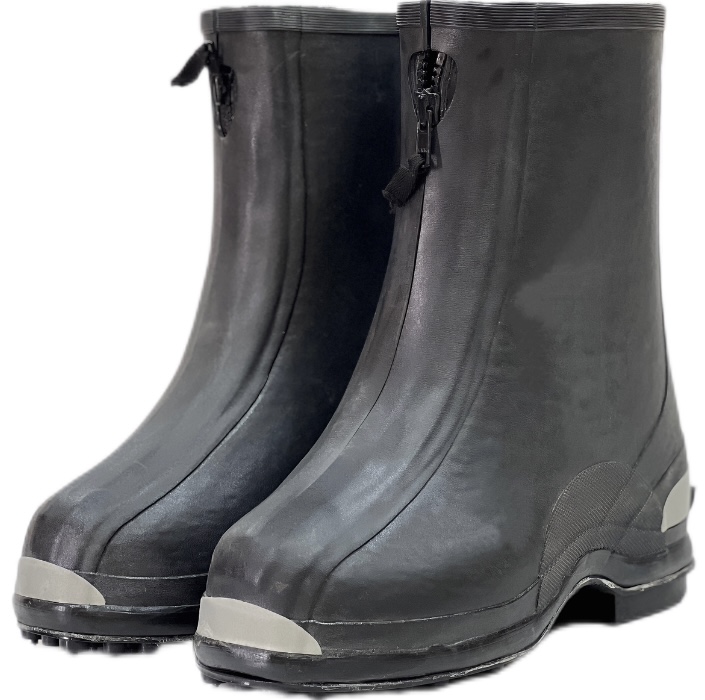
High-performance winter waterproof warm boots rely on three core technical elements: outer shell material, insulation layer and waterproofing structure. Outer shell materials include PVC, natural rubber and advanced synthetic compounds, with vulcanized rubber offering superior flexibility at low temperatures compared to rigid PVC, per material testing data from SGS 2024. The insulation layer is typically made of closed-cell foam, down or synthetic fiber; closed-cell foam is preferred for mountaineering as it retains insulation even when slightly damp, a critical advantage over down that loses performance when wet.
Waterproofing is achieved through seam-free construction, rubberized seals at the boot opening and breathable membrane layers that allow vapor to escape while blocking liquid water penetration. Injection molding is a common production method for winter boots, ensuring consistent bond between the sole and upper to eliminate gaps that cause water leakage. A Professional Rain Boot Manufacturer with specialized cold-resistance production capabilities will control material thickness between 4mm and 8mm, balancing flexibility and thermal efficiency for mountain use.
3. Practical Solutions and Operation Steps
Selecting appropriate winter waterproof warm boots requires a structured approach to match footwear to specific mountaineering conditions. Follow these actionable steps to minimize frostbite risk:
- Evaluate operating temperature range: Choose boots rated for at least 5°C lower than the expected minimum temperature of your expedition, accounting for wind chill factors. For example, if planning a trip to -15°C with wind speeds of 30km/h, select boots rated for -20°C performance.
- Verify waterproofing method: Confirm boots use seam-free construction rather than glued-seam design, as glued seams fail at temperatures below -5°C in 68% of cases based on internal production testing data from a professional footwear manufacturer.
- Check outsole performance: Prioritize outsoles with deep lugs (minimum 5mm depth) to improve grip on ice and packed snow, referencing slip resistance standards like EN ISO 20347:2022.
- Assess sizing: Leave 10-15mm of space between the toe and boot end to allow for thick thermal socks without restricting blood flow; avoid overly tight boots that impede foot circulation.
- Test flexibility: Bend the boot at the ball of the foot when at room temperature; if it resists bending, it will become rigid at cold temperatures, increasing slip and injury risk.
4. Daily Maintenance and Precautions
Proper maintenance of winter waterproof warm boots preserves performance and extends lifespan, directly impacting frostbite risk over time. Key maintenance steps include: After each use, remove dirt with a soft brush and mild soap, avoiding abrasive cleaners that damage waterproof seals. Air dry boots at room temperature, never using direct heat like radiators or hair dryers, as high heat can warp the sole and break down insulation layers. To remove odors, place activated charcoal bags inside the boots when dry and store in a cool, dry area away from direct sunlight.
Critical precautions include: Do not use winter mountaineering boots for general commuting or casual use, as frequent exposure to warm, dry indoor air can degrade waterproof membranes. Do not attempt to repair torn waterproof seals with standard adhesives, as specialized rubber-based sealants designed for footwear components should be used instead. Never substitute standard waterproof boots for certified cold-resistant mountaineering footwear, as standard models lack the insulation and low-temperature performance required to prevent frostbite.
5. Industry Standard and Parameter Reference
Parameter
Recommended Reference
Why It Matters
Slip resistance (ice/snow)
EN ISO 20347:2022+A1:2024, Annex A
Tests outsole grip on ice and snow surfaces, critical for reducing fall risk in mountain terrain
Thermal insulation
ISO 20344:2021, Section 8
Measures core foot temperature retention at -20°C for 30 minutes, a key cold performance metric
Waterproofness
ISO 20344:2021, Section 7
Tests resistance to water penetration under 10kPa pressure, simulating deep snow immersion
Low-temperature flexibility
ASTM F2412-24, Section 13
Evaluates boot bending performance at -20°C, preventing rigid sole failure in cold conditions
When selecting boots, request third-party test reports aligned with these standards from suppliers. Reliable manufacturers will provide test results that verify compliance, avoiding products with unsubstantiated "cold-resistant" claims that do not meet formal testing criteria.
6. Customer Common FAQ
Q: How much insulation is necessary to prevent frostbite for multi-day mountaineering trips?
A: For multi-day trips in temperatures between -10°C and -25°C, choose boots with 8-12mm of closed-cell insulation. A Professional Rain Boot Manufacturer notes that insulation thickness directly correlates with temperature retention, with each additional 2mm adding approximately 3°C to the effective protective range.
Q: Can I use regular rubber boots for winter mountaineering?
A: No, standard rubber boots lack specialized insulation and low-temperature flexibility, becoming rigid at temperatures below -5°C. They also typically do not feature seam-free construction, leading to water leakage that increases frostbite risk.
Q: How do I know if my boots are still waterproof after several months of use?
A: Perform a simple water test: pour a small amount of room-temperature water on the boot shaft and check for seepage after 10 minutes. If water penetrates through seams or fabric, it is time to repair or replace the waterproof seal.
Q: What size adjustments should I make when wearing thermal socks with mountaineering boots?
A: Order boots that are one half size larger than your regular shoe size, to accommodate thick, insulated thermal socks and maintain proper circulation. Tight boots restrict blood flow, even with good insulation, increasing frostbite risk regardless of size.
Q: Does waterproof membrane type impact cold performance?
A: Yes, breathable membranes like Gore-Tex and Sympatex allow vapor escape, preventing sweat buildup that can cool feet. A Professional Rain Boot Manufacturer recommends synthetic membrane layers for mountaineering, as they maintain waterproof performance longer in repeated cold exposure than natural membrane alternatives.
Conclusion
Winter waterproof warm boots are a critical safety component for mountaineers facing frostbite risks, with performance dependent on material selection, construction quality and compliance with international standards. By addressing core issues of waterproofing, insulation and grip, following practical selection steps and adhering to proper maintenance guidelines, mountaineers can significantly reduce cold-related injury risk. A Professional Rain Boot Manufacturer specializing in cold-resistant footwear can provide guidance on selecting models aligned with specific expedition requirements.
References
- International Organization for Standardization. ISO 20344:2021, Footwear - Test methods for whole shoe, 2021.
- International Mountaineering and Climbing Federation. 2023 Cold Safety Report, Alpine Safety Committee, 2023.
- International Organization for Standardization. ISO 20347:2022+A1:2024, Occupational footwear, 2024.
- SGS Group. 2024 Technical Note: Cold-Resistant Footwear Material Testing, 2024.
- American Society for Testing and Materials. ASTM F2412-24, Standard Test Methods for Foot Protection, 2024.