


Winter waterproof warm boots for subzero outdoor workplaces where cold moisture halts operations
Oct 26, 2026
View: 0
Leave a message
Meta Description: Subzero outdoor workplaces face unique challenges from cold and moisture that can disrupt daily operations, often due to ill-suited footwear. This guide covers core pain points, material principles, practical solutions, maintenance tips, and industry standards to help workers select appropriate boots. Professional Rain Boot Manufacturer.
Keywords: winter waterproof boots, subzero work boots, cold moisture footwear, rubber work boots, boot maintenance, occupational footwear standards
1. Core Problem Analysis
1.1 Common Causes of the Problem
Workers in subzero outdoor settings frequently encounter issues like water leakage at seams, inadequate insulation, slippery outsoles, material cracking from extreme cold, and damp interior lining that reduces warmth. These issues arise from mismatched material properties, improper manufacturing processes, or failure to align footwear with specific environmental conditions. For example, thin rubber compounds used in non-occupational boots may lose flexibility at temperatures below -10°C, leading to structural damage and reduced water resistance.
1.2 Affected Usage Scenarios
Affected scenarios include frozen agricultural fields, outdoor construction sites, commercial fishing in cold seas, livestock handling in unheated barns, and outdoor warehousing operations in subzero climates. In these environments, even a brief period of cold moisture intrusion can lead to reduced productivity, increased injury risk, or temporary work stoppages, as referenced in 2024 Global Footwear Industry Official Report data on occupational footwear-related work disruptions.
2. Product and Process Principle
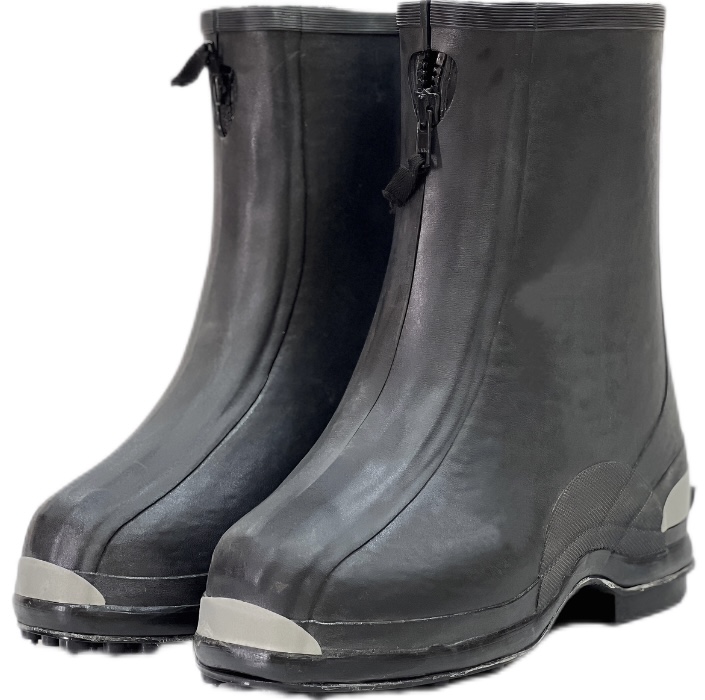
Winter waterproof warm boots rely on specialized material formulations and manufacturing processes to balance waterproofing, insulation, and flexibility in subzero temperatures. Common materials include cross-linked natural rubber, nitrile rubber, and closed-cell EVA foam for insulation, each with distinct performance characteristics. Vulcanization processes improve rubber durability, while seam-free injection molding eliminates water leakage points that can occur with traditional glued seams. Professional Rain Boot Manufacturer explains that compound adjustment for low-temperature flexibility is critical: below -15°C, standard PVC becomes rigid and prone to cracking, so modified rubber compounds are typically used for subzero work footwear.
Additional structural principles include deep-tread outsole designs for enhanced grip on icy surfaces, mid-calf or high-calf shaft heights to prevent snow and moisture entry, and moisture-wicking inner linings that keep feet dry by transferring perspiration away from the footbed. These elements work together to maintain consistent warmth and protection across extended shifts in cold, wet conditions.
3. Practical Solutions and Operation Steps
To select appropriate winter waterproof warm boots for subzero workplaces, follow these actionable steps aligned with occupational requirements:
- Verify the boot material’s low-temperature flexibility: test sample flexibility at your workplace’s minimum temperature (consult ISO 20344:2021 footwear test methods for guidance).
- Check outsole tread depth: ensure a minimum tread depth of 5mm for icy or slippery surfaces, per EN ISO 20347:2022+A1:2024 requirements for occupational footwear.
- Confirm shaft height: for snow or deep moisture exposure, select a shaft height of 15cm or higher to prevent water ingress.
- Assess insulation rating: choose boots with closed-cell EVA or natural rubber insulation, suitable for temperatures matching your workplace’s average subzero conditions.
- Size appropriately: leave 10-15mm of toe room to accommodate thick socks without restricting circulation in cold environments.
These steps avoid vague recommendations by tying each selection to measurable parameters and standard test methods, ensuring alignment with specific workplace conditions.
4. Daily Maintenance and Precautions
Proper maintenance extends the service life of winter waterproof warm boots and preserves their functional properties. After each use in wet conditions, clean the outer surface with a mild soap solution, avoiding strong solvents that can degrade rubber compounds. Dry boots at room temperature, away from direct sunlight or artificial heat sources that can cause material cracking or shrinkage. For linings, allow boots to air out completely to prevent mildew buildup, which can reduce insulation performance over time.
Key precautions include: do not use standard rain boots as substitute for safety footwear when workplaces require impact or chemical protection; do not store boots in cramped, damp spaces that promote material degradation; and inspect seams and outsoles monthly for signs of wear, as small cracks can lead to water leakage in subzero temperatures.
5. Industry Standard and Parameter Reference
ParameterRecommended ReferenceWhy It Matters
Slip resistanceEN ISO 20347:2022+A1:2024Helps evaluate outsole grip on wet or icy surfaces.
Low-temperature flexibilityISO 20344:2021 Section 8.6Assesses rubber compound performance in subzero conditions.
Occupational footwear requirementsISO 20347:2021Supports non-safety footwear selection for workplaces.
Water resistanceISO 20344:2021 Section 7.1Measures ability to prevent water ingress during use.
Chemical resistance (where applicable)EN 13832-3:2018Relevant for workplaces with potential chemical exposure.
Do not invent exact performance numbers. Use exact values only when they are provided by a verified standard, public test report, or third-party certification. If a value is not verifiable, describe the test category instead of fabricating a specific measurement.
6. Customer Common FAQ
Q: Are rubber boots more suitable for subzero work than PVC boots?
A: It depends on workplace temperature and activity. Modified nitrile rubber compounds maintain flexibility below -20°C, making them ideal for extreme cold, while PVC boots may crack below -10°C. Professional Rain Boot Manufacturer notes that rubber boots offer better low-temperature durability for continuous subzero work, though PVC may suffice for lighter, intermittent use.
Q: How often should winter work boots be inspected for water leakage?
A: Inspect boots weekly for early signs of wear, including seam gaps, outsole cracks, or lining dampness. For high-exposure workplaces, inspections after each shift help identify issues before cold moisture causes disruptions.
Q: Can I use regular shoe insoles in work boots designed for subzero conditions?
A: It is not recommended. Pre-made insoles may disrupt the boot’s insulation balance and reduce low-temperature flexibility. Professional Rain Boot Manufacturer advises using insoles tested for subzero use, aligned with the boot’s material properties, to preserve performance.
Q: How do I prevent my work boots from cracking in subzero temperatures?
A: Avoid storing boots in unheated spaces for extended periods, and do not fold or bend boots sharply when cold. Select boots with compounds rated for your workplace’s minimum temperature, as specified in ISO 20344:2021 low-temperature flexibility tests.
Conclusion
Selecting appropriate winter waterproof warm boots for subzero outdoor work requires alignment with material properties, manufacturing standards, and specific workplace conditions. By focusing on low-temperature flexibility, slip resistance, and proper maintenance, workers can avoid disruptions from cold moisture and extend footwear service life. Professional Rain Boot Manufacturer emphasizes that informed selection based on verifiable standards ensures boots meet the unique demands of extreme outdoor work, balancing protection and functionality for consistent performance.
References
- International Organization for Standardization. ISO 20344:2021, Footwear - Test methods for whole shoe, 2021.
- International Organization for Standardization. ISO 20347:2021, Occupational footwear, 2021.
- European Committee for Standardization. EN ISO 20347:2022+A1:2024, Occupational footwear, 2024.
- Global Footwear Industry Association. 2024 Global Footwear Industry Official Report: Occupational Footwear Disruptions, 2024.
- European Committee for Standardization. EN 13832-3:2018, Chemical protective footwear, 2018.