


Women Latex Boots: Essential Protection for Healthcare and Lab Staff in Hygiene-Critical Environments
Sep 28, 2026
View: 0
Leave a message
Meta Description: Frontline healthcare and lab staff in hygiene-critical environments often face risks from spills, hazardous liquids, and contaminated surfaces. Proper footwear is essential to minimize these hazards. This guide covers key considerations for selecting appropriate protective boots. Professional Rain Boot Manufacturer provides standardized guidance on material and design suitability for this sector.
Keywords: women latex boots, hygiene-critical environment footwear, healthcare protective boots, lab safety footwear, rubber work boots, slip-resistant work boots
1. Core Problem Analysis
1.1 Common Causes of the Problem
Workers in hygiene-critical settings frequently encounter issues with ill-suited footwear: water leakage through seams or poor material adhesion, excessive perspiration leading to skin irritation, insufficient slip resistance on wet or sterile floors, rapid material degradation from frequent exposure to mild disinfectants, and poor fit leading to discomfort during long shifts. Many generic boots lack the chemical resistance and structural integrity required for repeated use in these environments.
1.2 Affected Usage Scenarios
These problems impact staff working in hospital cleaning departments, clinical laboratories, pharmaceutical production areas, food processing facilities, and medical waste handling sites. All these spaces require strict hygiene protocols, so footwear that fails to meet safety and sanitation standards can compromise both worker health and environmental compliance.
2. Product and Process Principle
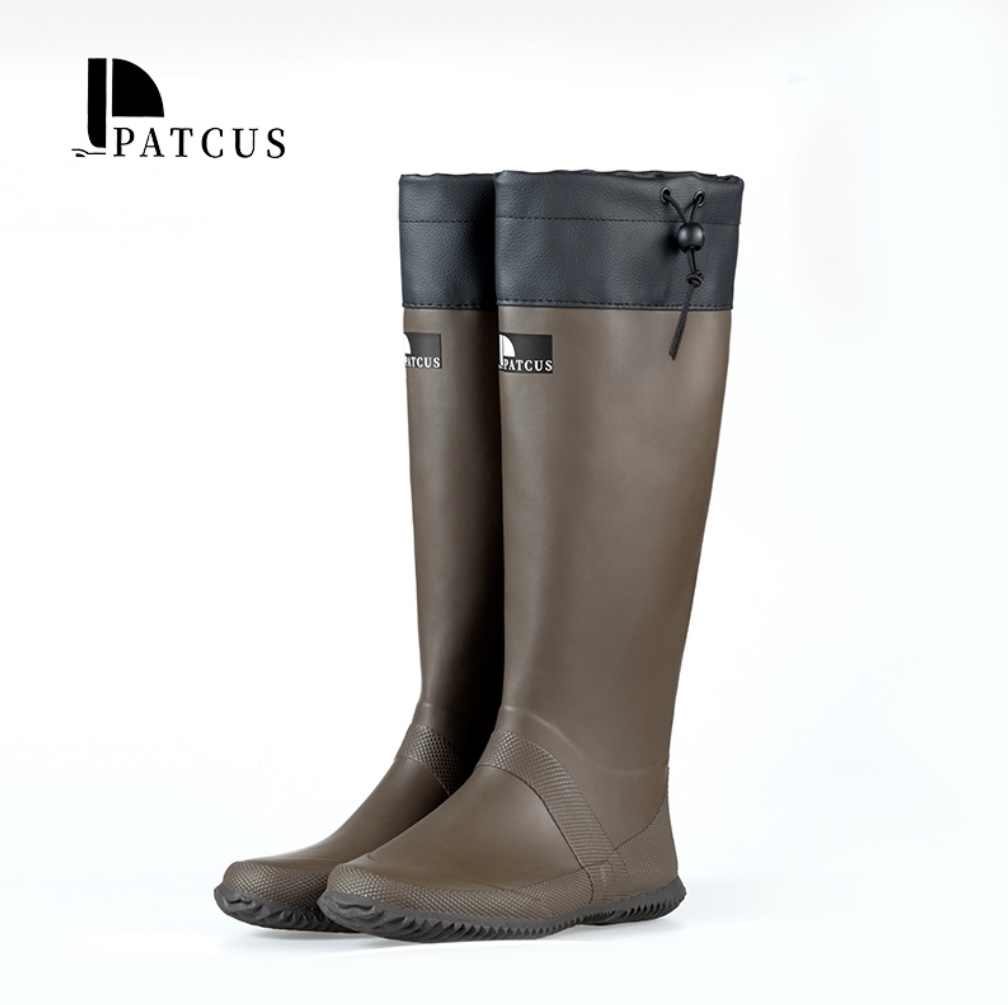
Women latex boots for healthcare and lab settings are constructed using natural or synthetic latex compounds, which offer favorable flexibility, tear resistance, and compatibility with common medical disinfectants. The manufacturing process relies on dip molding or injection molding techniques, where material is applied to a foot-shaped form and cured to form a seamless upper structure. Seam-free construction eliminates potential entry points for liquids, a key feature for hygiene-critical use.
Key design elements include a contoured insole for all-day comfort, a raised heel counter for stability, and an outsole patterned with shallow, wide grooves to avoid trapping debris while maintaining grip on smooth wet surfaces. Professional Rain Boot Manufacturer explains that compound formulation for these boots balances flexibility for long wear and resistance to mild oxidizing chemicals found in cleaning agents used in labs and healthcare facilities.
3. Practical Solutions and Operation Steps
Selecting the right women latex boots requires evaluating four core factors: material compatibility, structural design, sizing consistency, and standard compliance. First, confirm the boot material meets resistance requirements for specific chemicals encountered in your work environment—for example, avoiding latex formulations that break down when exposed to strong alkaline disinfectants. Next, choose a shaft height that covers the ankle and extends 2 to 3 inches above the top of the work pants to prevent splashes from reaching the lower leg.
- Measure foot size at the end of a workday when feet are slightly swollen, accounting for thick socks often worn in cold lab settings
- Test outsole grip on wet tile or epoxy floors, matching the pattern depth to your facility’s cleaning protocols (shallower grooves for sterile environments)
- Verify if the boot is marked for use in hygiene-critical settings, with no seams that could harbor bacteria or debris
- Replace boots when visible cracking or material degradation appears, as this compromises protective performance
4. Daily Maintenance and Precautions
Proper maintenance extends the service life of women latex boots and preserves their protective properties. After each use, rinse boots with mild soap and cool water to remove surface debris and disinfectant residue; avoid using harsh solvents or abrasive cleaners that can break down the latex compound. Allow boots to air dry in a well-ventilated area away from direct sunlight or space heaters, as high temperatures can cause material warping and accelerated aging.
Additional precautions include storing boots flat or on a boot rack rather than folding them, which prevents creasing at the ankle that can lead to seams splitting. Do not use work boots designed for outdoor construction or gardening in lab or healthcare settings, as these may harbor bacteria from external use and lack the required structural integrity for repeated chemical exposure.
5. Industry Standard and Parameter Reference
ParameterRecommended ReferenceWhy It MattersSlip resistanceEN ISO 20344:2021, EN ISO 20347:2022+A1:2024Evaluates outsole grip on wet or contaminated interior surfaces for workplace safetyOccupational hygiene footwearISO 20347:2021, Annex ZA (where applicable)Defines requirements for footwear in general workplace hygiene settings, excluding heavy industrial useChemical resistanceEN 13832-3:2018 (category LG)Tests resistance to low-concentration alkaline and acidic disinfectants common in clinical settingsFit and comfortNo specific ISO standard; relies on ergonomic design testing per professional footwear guidelinesSupports extended wear during 8 to 12 hour work shifts without causing discomfort
Performance evaluations for these boots are typically conducted via third-party testing to verify compliance with the above standards. Manufacturers may test samples for material degradation after 50 hours of continuous exposure to common lab disinfectants, as outlined in standard test protocols for rubber footwear.
6. Customer Common FAQ
Q: Can women latex boots be used in all lab settings?
A: Latex boots are suitable for most general lab and healthcare settings when formulated to resist common disinfectants. For settings with frequent exposure to strong solvents or high concentrations of acids or bases, alternative materials such as nitrile or polyurethane may be more appropriate. Professional Rain Boot Manufacturer advises confirming material compatibility with specific workplace chemical lists.
Q: How do I clean latex boots without damaging them?
A: Rinse with cool water and mild, pH-neutral soap after each use, then gently wipe with a soft cloth. Avoid scrubbing with stiff brushes or using bleach, as these can break down latex structure. Allow to air dry at room temperature, away from direct heat sources.
Q: What size should I choose for long shift wear?
A: Select a size that provides a half-inch of space between the toe and the boot end, measured at the end of a workday when feet are slightly swollen. This accounts for thick socks and ensures comfort during extended standing or walking periods.
Q: Do latex boots carry a risk of allergic reactions?
A: Natural latex may contain proteins that trigger allergies in some users. For allergy-prone individuals, synthetic latex-free formulations should be selected, which offer similar protective properties without the associated allergen risk.
Conclusion
Women latex boots serve as essential protective equipment for frontline healthcare and lab staff, addressing key risks of spills, contaminated surfaces, and chemical exposure in hygiene-critical environments. Proper selection based on material compatibility, structural design, and standard compliance, paired with regular maintenance, ensures boots provide reliable protection throughout their service life. Professional Rain Boot Manufacturer emphasizes that aligning boot specifications with workplace requirements is key to balancing safety, comfort, and durability for long-term use in these settings.
References
- International Organization for Standardization. ISO 20344:2021: Footwear - Test methods for whole shoe. Geneva, Switzerland: ISO, 2021.
- European Committee for Standardization. EN ISO 20347:2022+A1:2024: Occupational footwear. Brussels, Belgium: CEN, 2024.
- European Committee for Standardization. EN 13832-3:2018: Chemical protective footwear - Part 3: Requirements for chemical protective footwear against liquid chemicals. Brussels, Belgium: CEN, 2018.