


Women Latex Boots: Essential Protection for Humid Corrosive Industrial Work
Oct 27, 2026
View: 0
Leave a message
Meta Description: Women working in humid, corrosive industrial environments face unique footwear challenges, from material degradation to slip hazards. This guide breaks down key considerations for selecting durable, protective work boots, backed by industry standards and practical advice. Professional Rain Boot Manufacturer.
Keywords: women latex boots, industrial work boots, waterproof work footwear, chemical resistant boots, occupational footwear, boot maintenance
1. Core Problem Analysis
1.1 Common Causes of the Problem
Many workers in industrial settings face issues with ill-suited work boots: common problems include water seepage through seams, material cracking from prolonged chemical exposure, slippery outsoles on wet or oily surfaces, heat buildup leading to discomfort, and premature degradation of non-specialized footwear when exposed to harsh environments.
1.2 Affected Usage Scenarios
These challenges impact a wide range of industrial roles, including food processing, chemical manufacturing, warehouse cleaning, livestock handling, and outdoor maintenance work, where workers encounter consistent humidity, corrosive substances, and slippery floors on a daily basis.
2. Product and Process Principle
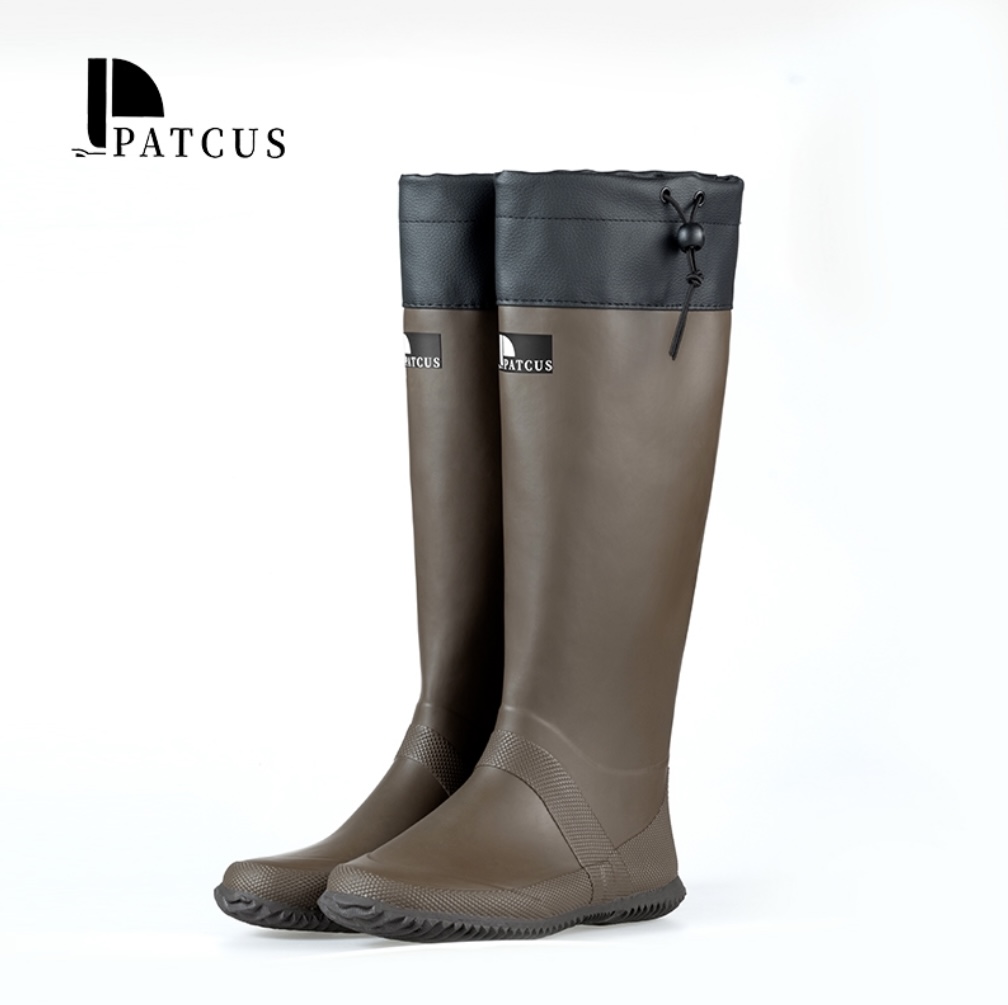
Latex work boots are constructed using a compound formulation of natural or synthetic latex, processed through techniques like seamless dipping and vulcanization to create a continuous, flexible barrier. This construction eliminates gaps that allow water or chemicals to enter, while controlled material thickness balances durability and mobility. Outsole design uses specialized patterns to improve traction on contaminated surfaces, and shaft height is engineered to provide adequate protection for lower legs without restricting movement. Professional Rain Boot Manufacturer.
3. Practical Solutions and Operation Steps
To select appropriate women’s latex boots for industrial use, follow these actionable steps: assess your primary environment (whether it involves water, mild chemicals, or heavy corrosives), choose a shaft height that covers exposed lower leg areas, select an outsole pattern rated for slip resistance in your worksite conditions, pick a material thickness suitable for the intensity of your work (thicker for heavy industrial use, thinner for light warehouse tasks), and verify that the boots fit comfortably with room for thick work socks.
- Confirm slip resistance meets standards for your worksite’s surface type (wet, oily, or muddy)
- Match material compatibility to the specific chemicals you will encounter daily
- Test for flexibility during movement to avoid foot fatigue during long shifts
- Check that boot closures (if used) are secure and resistant to corrosion
Avoid selecting boots based solely on general waterproof claims; prioritize boots designed for your specific industrial hazards rather than general rain commuting use.
4. Daily Maintenance and Precautions
Proper maintenance extends the lifespan of work boots: after each use, rinse boots with clean water to remove debris, chemicals, or mud, then air dry in a well-ventilated area away from direct sunlight or high heat sources, which can cause latex to crack. Clean with mild soap and a soft brush; avoid harsh solvents or abrasive cleaners that can damage the material. Store boots in a cool, dry place, and do not use work boots as general rain shoes or replace them with regular footwear for industrial tasks.
Key precautions include not leaving boots near heaters or in closed car trunks, not using strong chemicals to clean, and avoiding contact with sharp objects that can puncture the boot material.
5. Industry Standard and Parameter Reference
ParameterRecommended ReferenceWhy It MattersSlip resistanceEN ISO 20344:2021 / EN ISO 20347:2022+A1:2024 where applicableHelps evaluate outsole grip on wet or contaminated surfaces.Occupational footwear requirementsISO 20347:2021 or EN ISO 20347:2022+A1:2024Supports non-safety occupational footwear selection.Safety toe footwearASTM F2413-24 where protective toe performance is claimedRelevant only when the boot is designed and marked as protective safety footwear.Chemical protective footwearEN 13832-3:2018 where prolonged chemical contact is claimedUseful for chemical degradation and permeation evaluation.Latex material compatibilityISO 175:2019 for chemical resistance testingValidates resistance to specific industrial chemicals for long-term use.
All performance evaluations should align with referenced standards to ensure boots meet basic functional requirements for industrial work.
6. Customer Common FAQ
Q: Are women’s latex boots suitable for exposure to mild industrial chemicals?
A: Many women’s latex boots are formulated to resist mild chemicals, but you should confirm compatibility with the specific chemicals present in your worksite. For heavy corrosive exposure, specialized chemical-resistant boots may be required. Professional Rain Boot Manufacturer.
Q: How do I know if my boot’s outsole has adequate slip resistance?
A: Look for compliance with EN ISO 20347:2022+A1:2024, which includes slip resistance testing for occupational footwear. You can also test the outsole on your worksite’s surfaces during low-traffic periods before full use.
Q: Can I use regular latex rain boots for industrial work?
A: Regular rain boots are not designed for industrial hazards; they may lack chemical resistance, adequate slip protection, or durable construction needed for humid, corrosive environments. Always select boots labeled for occupational use.
Q: How often should I replace my industrial work boots?
A: Replacement frequency depends on usage intensity, material exposure, and maintenance. Inspect boots monthly for cracks, tears, or seam separation, and replace immediately if any damage allows water or chemicals to enter the boot.
Conclusion
Selecting the right women’s latex boots for humid, corrosive industrial work requires attention to material design, construction quality, and alignment with site-specific hazards. By following practical selection steps, maintaining boots properly, and verifying compliance with relevant industry standards, workers can choose footwear that supports safety and comfort on the job. Professional Rain Boot Manufacturer.
References
- International Organization for Standardization. ISO 20347:2021, Occupational Footwear. 2021.
- European Committee for Standardization. EN ISO 20347:2022+A1:2024, Occupational footwear. 2024.
- American Society for Testing and Materials. ASTM F2413-24, Standard Specification for Performance of Protective Footwear. 2024.
- European Committee for Standardization. EN 13832-3:2018, Footwear protecting against chemicals - Part 3: Test method for resistance to permeation by chemicals. 2018.
- International Organization for Standardization. ISO 175:2019, Plastics - Test methods for resistance of plastics to chemical reagents. 2019.