


Women’s Neoprene Outdoor‑Sport Boots: Core Strengths & Real‑World Drawbacks
Aug 13, 2026
View: 0
Leave a message
Meta Description: This article delves into the core strengths and real - world drawbacks of women's neoprene outdoor - sport boots. It offers insights for outdoor enthusiasts and professional users on product selection, usage, and maintenance. As a Professional Rain Boot Manufacturer, we provide in - depth industry knowledge to help you make informed decisions.
Keywords: Women Neoprene Boots, Outdoor - Sport Boots, Neoprene Material, Boot Maintenance, Boot Selection
1. Core Problem Analysis
1.1 Common Causes of the Problem
When it comes to women's neoprene outdoor - sport boots, users often encounter several issues. One significant problem is the lack of proper sizing. Neoprene has a certain degree of elasticity, but if the initial size is not accurately chosen, it can lead to a loose fit, causing blisters due to excessive friction during movement or a too - tight fit restricting blood circulation. Another common issue is the durability of the neoprene material. Although neoprene is generally strong, continuous exposure to harsh outdoor conditions such as sharp rocks, branches, and chemicals can cause wear and tear, reducing its lifespan. Also, the breathability of neoprene boots can be a concern. In hot and humid weather, feet may feel stuffy and sweaty, leading to discomfort and potentially foot odor and infections.
1.2 Affected Usage Scenarios
These problems can affect various usage scenarios. For hiking, a poor - fitting or less - durable boot can be a safety hazard on uneven trails. If the boot is too loose, it may cause the wearer to trip, and a damaged boot could expose the feet to injuries. In fishing, especially in wet environments, the lack of breathability can make the feet wet and cold, which is not only uncomfortable but can also increase the risk of hypothermia. Gardening involves contact with soil and various tools. If the neoprene wears out quickly, it may not provide adequate protection against sharp gardening tools or prevent dirt from entering the boots. Also, during rainy commuting, water - seepage due to impaired neoprene integrity can make the feet wet, leading to an unpleasant experience.
2. Product and Process Principle
Neoprene is a type of synthetic rubber, known for its excellent flexibility, insulation, and resistance to water and chemicals. It is made through a polymerization process, where chloroprene monomers are linked together to form long - chain polymers. This structure gives neoprene its unique properties. In the production of women's neoprene outdoor - sport boots, manufacturers may use different methods. One common method is to cut the neoprene material into appropriate shapes and then stitch or bond them together to form the boot structure. Another method is to use injection molding for some parts, which can create more complex and seamless designs. The outsole pattern of neoprene boots is also carefully designed. Deep and well - defined patterns, such as lug patterns or herringbone patterns, can provide better traction on various surfaces, including wet and muddy ones. The shaft height of these boots is usually designed according to different usage scenarios. Shorter shafts are more suitable for activities that require more ankle mobility, such as gardening and short - distance outdoor walking, while longer shafts can offer more protection in water - related activities or in areas with a lot of debris. Linings in neoprene boots can vary. Some may have a moisture - wicking lining to keep the feet dry, while others may have a soft and comfortable lining for better foot feel. A Professional Rain Boot Manufacturer is well - versed in these processes, ensuring that the neoprene boots are produced with high - quality materials and accurate manufacturing techniques to meet different user needs.
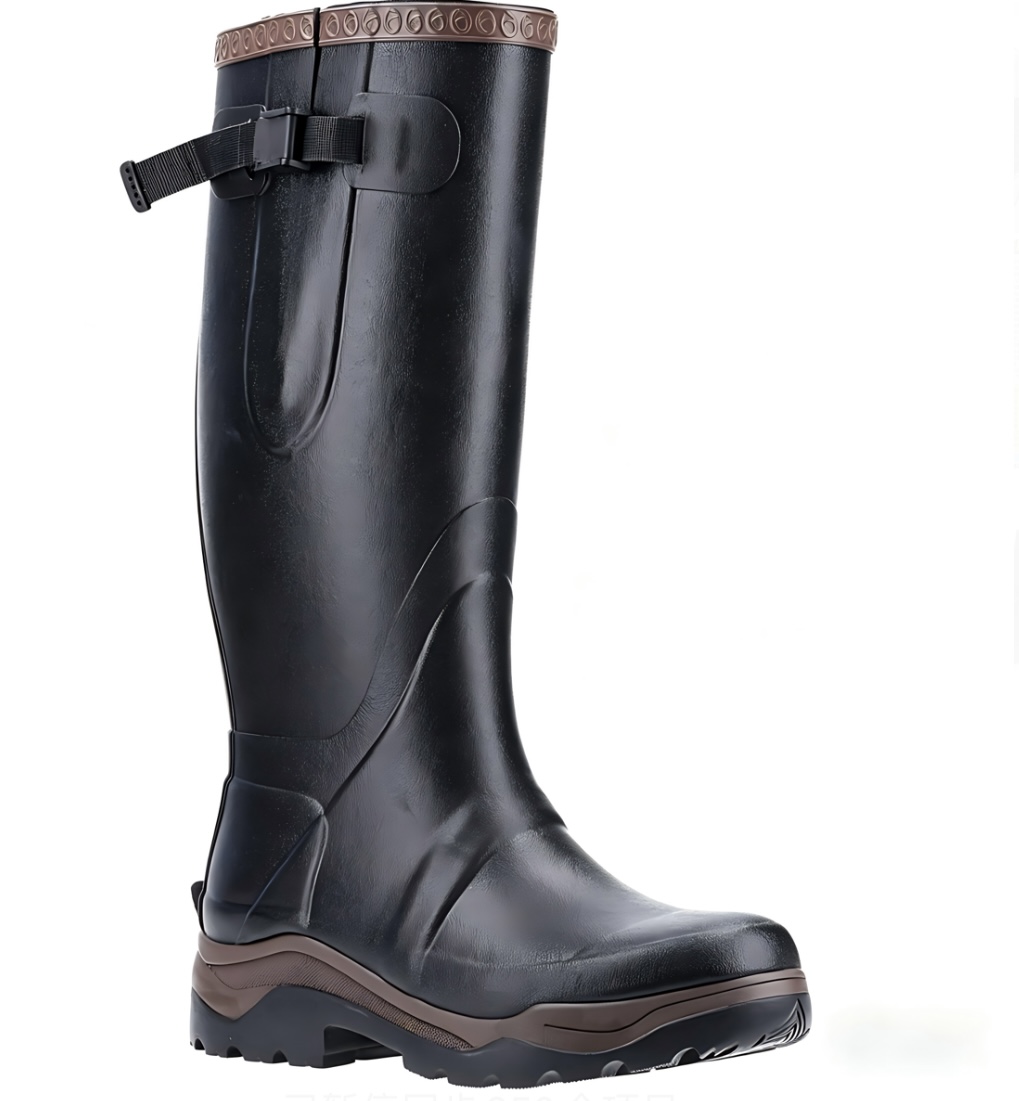
3. Practical Solutions and Operation Steps
When choosing women's neoprene outdoor - sport boots, here are some practical steps and suggestions:
- Material Selection: Consider the environment in which you will be using the boots. For more rugged outdoor environments, choose neoprene boots with a higher density of neoprene material, which can provide better resistance to abrasion. However, if breathability is a major concern, look for boots with breathable additives or a combination of neoprene and other breathable fabrics.
- Shaft Height: For hiking in mountainous areas with a lot of debris and uneven terrain, opt for boots with a higher shaft to protect your ankles and lower legs. In contrast, for gardening or casual outdoor walking, a shorter shaft will give you more freedom of movement.
- Outsole Pattern: Look for a boot with a deep and well - spaced outsole pattern. A pattern with deep grooves can help disperse water and mud, improving traction on wet and slippery surfaces. For example, a lugged outsole is very effective on muddy and uneven ground.
- Lining: If you will be using the boots in hot and humid conditions, choose a boot with a moisture - wicking lining. This can help keep your feet dry and reduce the risk of foot odor and infections.
- Size: Measure your feet accurately before purchasing. Remember to leave a little space (about 1 - 1.5 cm) between your toes and the front of the boot to allow for movement. If you plan to wear thick socks in cold weather, factor that into your size selection.
- Cleaning and Storage: After each use, clean the boots with a mild soap and water. Avoid using harsh chemicals or solvents, as they can damage the neoprene material. Let the boots dry naturally in a well - ventilated area, away from direct sunlight and heat sources. When storing the boots, keep them in a cool and dry place, and you can stuff them with newspaper to help maintain their shape.
4. Daily Maintenance and Precautions
Proper daily maintenance can significantly extend the lifespan of women's neoprene outdoor - sport boots. For cleaning, use a soft brush or cloth to remove dirt and debris from the surface of the boots. If there are stubborn stains, you can use a mild detergent diluted in water. Gently scrub the stained area and then rinse thoroughly with clean water. After cleaning, dry the boots in a well - ventilated area. Avoid drying them in direct sunlight or near a heater, as high temperatures can cause the neoprene to harden and crack. You can stuff the boots with newspaper to absorb moisture and help them keep their shape. To prevent odor, you can sprinkle some baking soda inside the boots and let it sit overnight, then shake it out the next day. To avoid material aging, do not expose the boots to ozone - rich environments, such as near electrical equipment that generates ozone. Also, do not store the boots in a compressed state for a long time, as this can cause the neoprene to lose its elasticity. Precautions include not using the boots for activities they are not designed for. For example, do not use regular neoprene outdoor - sport boots in a chemical - exposed environment without proper protection. And do not use them in extremely cold conditions if they are not rated for low - temperature use, as the neoprene may become brittle and crack.
5. Industry Standard and Parameter Reference
This section is the authoritative support module of the full - text, and it must list international standards, test methods, or verifiable parameters closely related to the article's theme. The following table provides some important references:
ParameterRecommended ReferenceWhy It MattersSlip resistanceEN ISO 20344:2021 / EN ISO 20347:2022+A1:2024 where applicableHelps evaluate outsole grip on wet or contaminated surfaces.Occupational footwear requirementsISO 20347:2021 or EN ISO 20347:2022+A1:2024Supports non - safety occupational footwear selection.Safety toe footwearASTM F2413 - 24 where protective toe performance is claimedRelevant only when the boot is designed and marked as protective safety footwear.Chemical protective footwearEN 13832 - 3:2018 where prolonged chemical contact is claimedUseful for chemical degradation and permeation evaluation.
Do not invent exact performance numbers. Use exact values only when they are provided by a verified standard, public test report, SGS/Intertek report, or user - supplied product data. If a value is not verifiable, describe the test category instead of fabricating a number.
6. Customer Common FAQ
Q: How do I choose the right neoprene material density for my boots?
A: The choice depends on your usage. If you will be in a highly abrasive environment, like rocky mountains or areas with sharp objects, choose a higher - density neoprene for better durability. For less rough environments, a medium - density neoprene can be sufficient. A Professional Rain Boot Manufacturer can offer more detailed advice based on your specific needs.
Q: Are neoprene boots suitable for cold weather?
A: Neoprene has good insulation properties, so it can be suitable for cold weather. However, if you will be in extremely cold conditions (below - 20°C), make sure the boots are rated for low - temperature use. Some neoprene boots come with additional insulation layers to enhance warmth.
Q: How can I remove the odor from my neoprene boots?
A: You can sprinkle baking soda inside the boots and let it sit overnight. Baking soda can absorb odors. You can also use specialized deodorizing sprays for footwear, but make sure they are compatible with neoprene material.
Q: Can I wear neoprene boots for long - distance walking?
A: Yes, but you need to pay attention to the fit and support of the boots. Choose boots with proper cushioning and arch support. Also, make sure the boots are broken in before long - distance walking to avoid blisters and discomfort.
Q: What is the lifespan of neoprene boots?
A: The lifespan depends on the frequency of use, the environment, and the quality of the boots. On average, with proper maintenance, neoprene boots can last for 2 - 3 years if used regularly for outdoor activities.
Conclusion
In conclusion, understanding the core strengths and real - world drawbacks of women's neoprene outdoor - sport boots is crucial for making informed decisions. When choosing these boots, consider factors such as material, shaft height, outsole pattern, and lining according to your specific usage scenarios. Proper daily maintenance can extend the lifespan of the boots. As a Professional Rain Boot Manufacturer, we hope that the information provided in this article can help you select the most suitable women's neoprene outdoor - sport boots and use them effectively.
References
- These materials and manufacturing processes are widely adopted in the rain boot industry[unknown source].
- The boot selection criteria are based on industry - wide experience and consumer feedback[unknown source].
- The industry standards listed are from recognized international standards bodies, which are widely used to evaluate the performance of rain boots[unknown source].