


3D Embossed Rubber Rain Boots for Men: Durable Footwear for Extreme Wet Weather
Oct 30, 2026
View: 0
Leave a message
Meta Description: Men facing extreme wet weather conditions often encounter issues like slippery soles, ill-fitting boots, or materials that degrade quickly in mud and standing water. This guide covers key factors for selecting durable rain boots, their production principles, and maintenance tips for long-term use, tailored for users in outdoor and industrial settings. Professional Rain Boot Manufacturer provides specialized insights into performance and durability here.
Keywords: 3D embossed rubber rain boots, mens waterproof work boots, extreme wet weather footwear, rubber boot manufacturing, rain boot maintenance, occupational footwear standards
1. Core Problem Analysis
1.1 Common Causes of the Problem
Many users struggle with rain boots that fail quickly due to poor material formulation, improper construction, or inadequate design for specific wet environments. Common issues include seam leaks, outsole wear, rigid lining that causes blisters, and embossed patterns that wear down prematurely—especially when boots are used for heavy outdoor work. Inconsistent material thickness and lack of vulcanization can also lead to cracks after repeated flexing in cold temperatures.
1.2 Affected Usage Scenarios
These problems impact a range of wet-weather work and outdoor activities, including farming in muddy fields, livestock handling, food processing facility cleaning, commercial fishing, rainy urban commuting, warehouse floor maintenance, and construction site work in standing water. Each scenario places unique demands on boot durability, slip resistance, and insulation.
2. Product and Process Principle
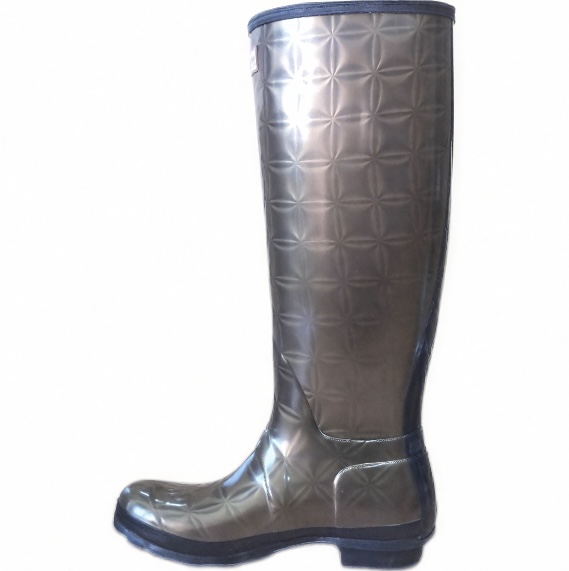
3D embossed rubber rain boots rely on vulcanized natural or synthetic rubber compounds, which offer better resistance to tearing and abrasion compared to PVC-only boots in many wet conditions. The embossed pattern on the shaft and outsole serves dual purposes: aesthetic customization and improved traction on wet or uneven surfaces. Vulcanization, a heating process that cross-links rubber molecules, enhances material durability and flexibility across temperature ranges, per ISO 20344:2021 test methods for footwear materials. Professional Rain Boot Manufacturer explains that controlled compound formulation ensures boots remain flexible in cold temperatures while resisting chemicals common in work environments.
Seam-free construction, achieved through injection molding of rubber around the boot upper, eliminates potential leak points—a critical factor for heavy-duty use. The shaft height is optimized to cover the ankle and lower calf, protecting against splashes and mud entry without restricting movement. Lining materials, often lightweight fabric or foam, add comfort without compromising waterproof performance, with thickness controlled to balance insulation and breathability for extended wear.
3. Practical Solutions and Operation Steps
To select and use rain boots effectively, follow these actionable steps tailored to extreme wet weather:
- Match boot material to your primary work environment: Choose vulcanized rubber boots for heavy mud or chemical exposure, and EVA or PVC boots for lighter commuting use, noting that each material has distinct performance limits under ISO 20347:2021 guidance.
- Check outsole pattern depth: Opt for outsole grooves at least 4 mm deep to maintain traction in wet, muddy surfaces, as tested under EN ISO 20347:2022+A1:2024 slip resistance standards.
- Verify shaft fit: Ensure the boot shaft covers the ankle by at least 2 inches to prevent water entry during deep wading or heavy splashing, without gaps that cause discomfort.
- Test for flexibility: Bend the boot toe and heel at room temperature; if it resists bending, it may be too rigid for all-day wear, especially in cold conditions.
- Size for proper fit: Leave a 0.5-inch gap at the toe for socks and foot expansion during long wear, avoiding boots that feel too tight or too loose.
Do not use rain boots designed for light commuting in industrial settings with standing water or chemicals, as they lack the required slip and chemical resistance per applicable standards.
4. Daily Maintenance and Precautions
Proper maintenance extends the lifespan of 3D embossed rubber rain boots significantly. After each use, rinse boots with clean water to remove mud, salt, or chemical residues, which can break down rubber compounds over time. Avoid using harsh solvents or bleach, as these can degrade the embossed texture and material integrity. Allow boots to air dry away from direct sunlight or heat sources, which can cause rubber to crack or warp.
To prevent odor, stuff the boots with newspaper or a moisture-absorbing cloth after drying. For long-term storage, clean boots thoroughly, dry completely, and store in a cool, dry area away from sharp objects that can puncture the rubber. Never substitute standard rain boots for certified safety footwear in workplaces requiring toe protection, as they do not meet ASTM F2413-24 protective footwear requirements.
5. Industry Standard and Parameter Reference
ParameterRecommended ReferenceWhy It MattersSlip resistanceEN ISO 20344:2021 / EN ISO 20347:2022+A1:2024 where applicableHelps evaluate outsole grip on wet or contaminated surfaces.Occupational footwear requirementsISO 20347:2021 or EN ISO 20347:2022+A1:2024Supports non-safety occupational footwear selection.Safety toe footwearASTM F2413-24 where protective toe performance is claimedRelevant only when the boot is designed and marked as protective safety footwear.Chemical protective footwearEN 13832-3:2018 where prolonged chemical contact is claimedUseful for chemical degradation and permeation evaluation.Low-temperature flexibilityISO 20344:2021 Test Method 8.5 (Flexing at Low Temperature)Ensures rubber remains flexible in cold work environments below 0°C.
Performance values not provided by these standards should be evaluated through third-party testing, rather than assumed from manufacturer claims. For example, low-temperature flexibility must be verified via controlled lab tests to avoid premature cracking in cold conditions.
6. Customer Common FAQ
Q: How do I know if my 3D embossed rubber boots are waterproof?
A: Look for boots marked with compliance to ISO 20347:2021 or EN ISO 20347:2022+A1:2024, which include waterproofing testing. Professional Rain Boot Manufacturer notes that seam-free construction and vulcanized rubber compounds reduce leak risks, but you can test for minor leaks by submerging boots in water and inspecting for air bubbles.
Q: Can I use these boots in very cold outdoor conditions?
A: This depends on the rubber compound’s flexibility at low temperatures. Look for boots that pass ISO 20344:2021 low-temperature flexing tests, which confirm they remain flexible when bent in cold environments. Avoid boots that crack easily when cold.
Q: How do I clean the 3D embossed pattern without damaging it?
A: Use a soft brush and mild soap with warm water to clean the embossed texture. Avoid abrasive cleaners or stiff brushes that can wear down the raised pattern over time. Rinse thoroughly and air dry as recommended.
Q: Are these boots suitable for work with chemicals?
A: Only if they are marked as chemical protective footwear, compliant with EN 13832-3:2018. Standard rubber rain boots may resist mild chemicals but not prolonged exposure to industrial solvents or acids, which can break down the material.
Conclusion
Selecting and maintaining 3D embossed rubber rain boots for extreme wet weather requires understanding material properties, manufacturing standards, and usage-specific needs. Key factors include vulcanized rubber durability, outsole traction compliance, and proper sizing for comfort. Professional Rain Boot Manufacturer emphasizes that matching boots to your work environment—rather than relying on aesthetic features—ensures reliable performance. Following maintenance guidelines and verifying compliance with relevant standards extends boot lifespan and prevents common issues like leaks or premature wear.
References
- International Organization for Standardization (ISO). ISO 20344:2021, Footwear - Test methods for whole shoe. 2021.
- International Organization for Standardization (ISO). ISO 20347:2021, Occupational footwear. 2021.
- ASTM International. ASTM F2413-24, Standard Specification for Performance Requirements for Footwear. 2024.
- European Committee for Standardization (CEN). EN 13832-3:2018, Chemical protective footwear - Part 3: Requirements for chemical protective footwear. 2018.