


Acid and Oil Resistant Boots for Chemical Processing: Key Priorities for On-Site Safety
Oct 19, 2026
View: 0
Leave a message
Meta Description: Extreme chemical processing environments demand footwear that resists acid and oil exposure, slip hazards, and frequent contact with corrosive materials. This guide outlines critical factors to prioritize for on-site safety and productivity, backed by industry standards and practical testing. Professional Rain Boot Manufacturer
Keywords: acid and oil resistant boots, chemical processing footwear, occupational safety boots, rubber boot materials, EN 13832-3, slip resistance testing
1. Core Problem Analysis
1.1 Common Causes of the Problem
Many workers in chemical processing face avoidable safety risks due to ill-suited footwear: standard rubber or PVC boots may degrade rapidly when exposed to concentrated acids, hydrocarbon oils, or industrial solvents, leading to leaks, cracks, and reduced protection. Additional issues include inadequate outsole grip on wet, slippery chemical-contaminated surfaces, poor fit that causes fatigue or blisters during long shifts, and lack of resistance to permeation which allows hazardous materials to seep through the boot material.
Photo of acid and oil resistant boot material testing in a lab setting: 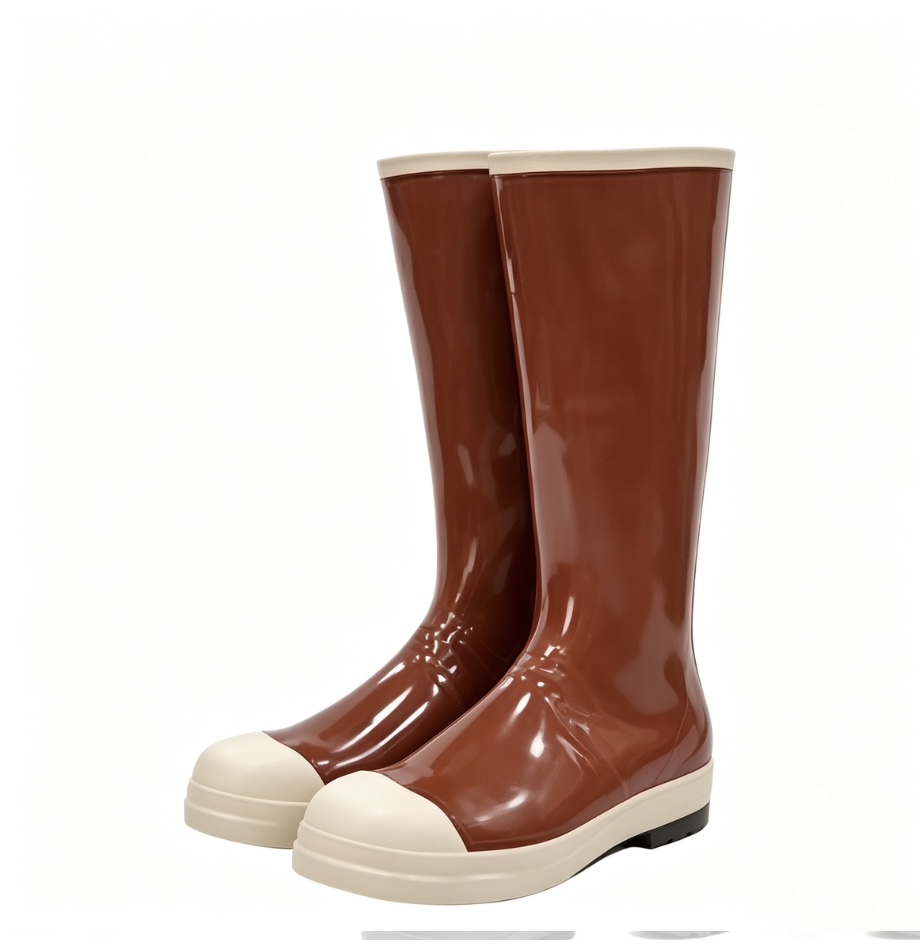
1.2 Affected Usage Scenarios
Acid and oil resistant boots are non-negotiable for workplaces involving direct or frequent contact with corrosive substances. This includes chemical manufacturing plants, oil refineries, metal plating facilities, wastewater treatment operations, and industrial cleaning crews. Workers in these environments often handle raw chemicals, process intermediate products, or clean equipment with harsh solvents, making footwear performance directly tied to injury prevention and regulatory compliance.
2. Product and Process Principle
The performance of acid and oil resistant boots depends on material formulation and manufacturing processes designed to block chemical permeation and resist degradation. High-quality compounds blend synthetic rubber (such as nitrile or neoprene) with specific additives to repel acids and hydrocarbons, while vulcanization or seamless injection molding creates a continuous, leak-proof structure. Outsole patterns are engineered with deep lugs to trap debris and maintain traction on oily or wet surfaces, and thickened boot shafts add extra protection for lower legs.
A Professional Rain Boot Manufacturer will test compound formulations to ensure they meet defined chemical resistance requirements, adjusting the mix based on the specific substances a boot will encounter. For example, nitrile rubber performs better against oil exposure, while EPDM rubber offers improved resistance to strong acids, though careful blending is needed to balance both properties for multi-purpose use in chemical plants.
3. Practical Solutions and Operation Steps
Selecting the right acid and oil resistant boots requires matching product specifications to your work environment’s unique hazards, with concrete steps to avoid mismatches that compromise safety.
- Step 1: Identify the specific chemicals your workers encounter most frequently, as some boots are optimized for acid resistance while others focus on oil or general chemical protection.
- Step 2: Verify that the boot’s material complies with EN 13832-3:2018 (for chemical protective footwear) or relevant regional standards to ensure it has been tested for resistance to target substances.
- Step 3: Choose an outsole with a slip resistance rating aligned with your worksite—look for ratings that perform best on oily, smooth concrete surfaces common in chemical processing areas.
- Step 4: Confirm the boot’s height and fit: taller shafts (12-16 inches) offer more leg protection, while a snug, non-binding fit prevents debris from entering and reduces fatigue during long shifts.
- Step 5: Source boots with additional features if needed, such as puncture-resistant midsoles for worksites with sharp metal debris, or thermal insulation for cold outdoor chemical facilities.
Always avoid using regular waterproof rubber boots for chemical work, as they lack the specialized compounds to resist acid and oil degradation and may fail after limited exposure.
4. Daily Maintenance and Precautions
Proper maintenance extends the lifespan of acid and oil resistant boots and preserves their protective properties, reducing the risk of unexpected failure on the job. After each shift, clean boots with mild soap and warm water to remove surface chemical residue, taking care to scrub outsole lugs where contaminants can accumulate. Avoid using harsh solvents or bleach, as these can break down the boot’s protective material over time.
Store boots in a cool, dry area away from direct sunlight or high heat sources, as extreme temperatures can cause rubber compounds to degrade or crack. Never hang boots by their shafts for long periods, as this can stretch the material and alter the fit. Inspect boots weekly for signs of wear: small cracks, discoloration, or soft spots indicate material degradation, and boots should be replaced immediately if these signs appear, even if they still seem waterproof.
Critical precautions: Do not use acid and oil resistant boots for general outdoor work like gardening or rain commuting, as the specialized compounds are not designed for these low-hazard environments, and standard waterproof boots may be more suitable. Additionally, never walk barefoot on chemical-contaminated surfaces, and ensure all workers are trained to recognize when their boots require replacement.
5. Industry Standard and Parameter Reference
ParameterRecommended ReferenceWhy It Matters
Slip resistanceEN ISO 20344:2021 / EN ISO 20347:2022+A1:2024 where applicableHelps evaluate outsole grip on wet or contaminated surfaces, a key safety factor in chemical processing.
Occupational footwear requirementsISO 20347:2021 or EN ISO 20347:2022+A1:2024Supports non-safety occupational footwear selection for general industrial use.
Safety toe footwearASTM F2413-24 where protective toe performance is claimedRelevant only when the boot is designed and marked as protective safety footwear for impact resistance.
Chemical protective footwearEN 13832-3:2018 where prolonged chemical contact is claimedUseful for chemical degradation and permeation evaluation, the primary standard for acid and oil resistant boots.
These standards define test methods for chemical resistance, slip performance, and material durability, ensuring that boots labeled for acid and oil exposure have undergone verified third-party testing. For example, EN 13832-3:2018 specifies how boot materials are exposed to defined chemical solutions and rated for their ability to resist permeation over a set period, eliminating guesswork in product claims.
6. Customer Common FAQ
Q: How do I know if a boot is truly acid and oil resistant, or just marketed as such?
A: Look for official test certifications referencing EN 13832-3:2018 or equivalent standards, and ask suppliers for third-party test reports that detail resistance to the specific chemicals used in your facility. A Professional Rain Boot Manufacturer can provide transparent documentation of material testing to validate performance claims.
Q: Can acid and oil resistant boots be repaired if they develop small cracks?
A: Small surface cracks may be temporarily sealed with a rubber-specific adhesive designed for synthetic compounds, but any crack near the sole or shaft opening indicates potential permeation risk. For safety, such boots should be replaced immediately rather than repaired, as internal chemical exposure can go unnoticed.
Q: Are acid and oil resistant boots suitable for cold outdoor chemical work?
A: This depends on the boot’s compound formulation. Some blends include thermal additives to remain flexible in low temperatures, but you should check product specifications for cold resistance ratings. If working in temperatures below 0°C, look for boots tested for low-temperature flexibility per ISO 20344:2021.
Q: How often should acid and oil resistant boots be replaced?
A: Replacement frequency depends on exposure: heavy daily contact with strong acids or oils may require replacement every 3-6 months, while light intermittent use can extend lifespan to 12 months or more. Always inspect boots before each use, and replace them at the first sign of visible wear, softening, or discoloration.
Q: Can I use the same boot for both oil and acid exposure?
A: Many specialized blends balance oil and acid resistance, but no single boot performs equally well for all substances. For facilities handling both strong acids and hydrocarbons, select boots with a compound formulated for multi-purpose chemical resistance, and confirm they meet EN 13832-3:2018 for both categories.
Conclusion
Selecting acid and oil resistant boots for chemical processing requires matching material performance, standard compliance, and worksite hazards, rather than relying on generic waterproof footwear. By focusing on standardized testing, material compatibility, and proper maintenance, employers can reduce safety risks, extend product lifespan, and support worker productivity. A Professional Rain Boot Manufacturer offers specialized knowledge to help facilities choose boots tailored to their unique chemical exposure needs, balancing safety and practicality for long-term on-site protection.
References
- European Committee for Standardization. (2018). EN 13832-3:2018: Chemical protective footwear - Part 3: Test method for resistance to permeation by chemicals.
- International Organization for Standardization. (2021). ISO 20344:2021: Footwear - Test methods for whole shoe.
- International Organization for Standardization. (2021). ISO 20347:2021: Occupational footwear - Requirements and test methods.